

The oldest baby boomers are no longer approaching old age. They are in it.
And as the first members of the generation born in 1946 turn 80 in 2026, the United States is entering a demographic phase it has talked about for years but still has not fully prepared to manage.
The boomer milestone is more than symbolic
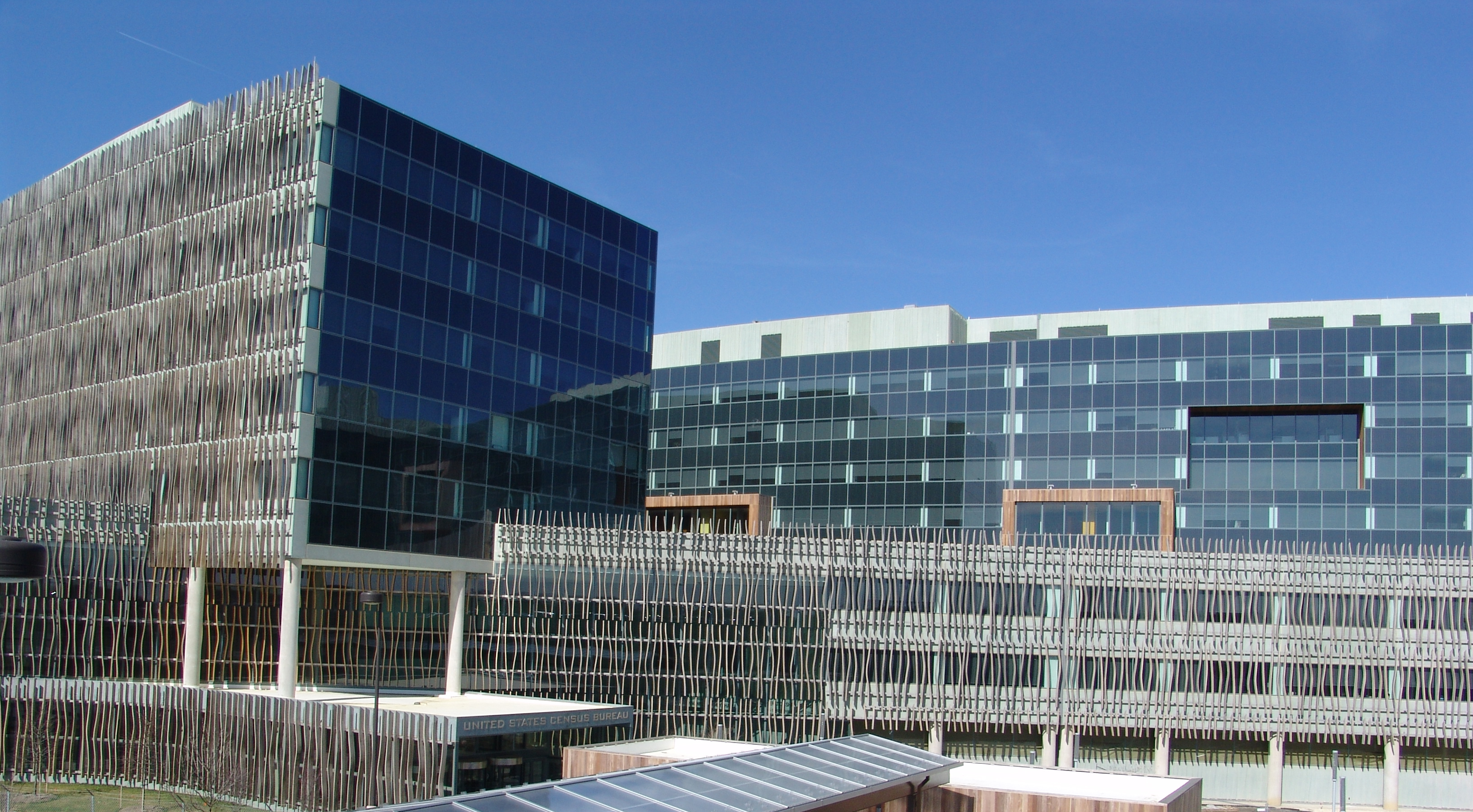
Baby boomers are generally defined by the U.S. Census Bureau as Americans born from 1946 through 1964, which means the oldest members of the generation are turning 80 this year. That matters because it marks the point when the massive boomer cohort begins moving in larger numbers from active retirement into the ages where disability, cognitive decline, falls, and intensive caregiving become far more common. For decades, aging in America has been discussed as an abstract future challenge. In 2026, it becomes a lived reality for millions of families.
The scale is what makes this moment different. Census reporting has shown that by 2030 every baby boomer will be at least 65, and later in the decade older adults are projected to outnumber children nationwide. The shift is already visible. In 2024, the population age 65 and older reached 61.2 million, while nearly half of all U.S. counties had more older adults than children. Eleven states had already crossed that threshold. This is not a regional curiosity anymore; it is a structural national change.
The country’s median age is rising too. Census data released in 2026 showed the median age climbing again, to 39.4 in 2025. That may sound like a dry statistic, but it points to something bigger: a society built around younger workers, younger commuters, younger homeowners, and younger consumers is gradually becoming one where older adults drive demand across health care, transportation, housing, and public finance. Every institution feels the shift, whether it is ready or not.
For a long time, the boomer story was told as a story about retirement wealth, suburban homeownership, and senior discounts. That framing now looks incomplete. Turning 80 is not just another birthday marker. It is the leading edge of a heavier, costlier, and more complicated chapter of aging, one in which longevity is colliding with chronic illness, family fragility, and a care economy that still depends far too much on unpaid labor.
The real crisis is care, and it is already here

The American long-term care system has been strained for years, but the pressure is about to intensify. As people move into their 80s, the odds of needing help with bathing, dressing, meal preparation, medication management, transportation, or memory-related supervision rise sharply. Alzheimer’s Association estimates show 7.4 million older Americans are living with Alzheimer’s dementia in 2026, including 2.9 million between ages 75 and 84 and 2.6 million age 85 and older. These are not edge cases. They are central to what aging now means in the United States.
The burden lands first on families. AARP reported in 2026 that 59 million caregivers of adults provided 49.5 billion hours of care in 2024, work it valued at $1.01 trillion. That figure is astonishing not just because of its size, but because it reveals what the formal system still assumes: that relatives, usually women, will absorb the gap. Adult children coordinate appointments, refill medications, monitor finances, handle emergencies, and juggle jobs while trying to keep parents safe at home. As the oldest boomers hit 80, the number of households living this reality will climb fast.
Paid care is in short supply and often unaffordable. The Bureau of Labor Statistics projects home health and personal care aide employment will grow 17% from 2024 to 2034, much faster than average, a sign of enormous demand. But demand growth does not automatically produce enough workers. KFF has documented longstanding shortages in the direct care workforce, and its 2025 look at nursing facilities noted staffing levels remained below pre-pandemic levels. Low wages, burnout, physically demanding work, and limited advancement keep turnover high across home care and institutional settings.
The consequences are practical and immediate. Families wait weeks to piece together home care. Nursing homes limit admissions or lean on thin staffing. Hospitals struggle to discharge frail older patients when no safe placement is available. In dementia care, the mismatch is even harsher. The Alzheimer’s Association reports that at age 80, roughly 75% of people with Alzheimer’s dementia live in a nursing home, compared with only 4% of the general population at that age. That tells you how quickly serious cognitive impairment can overwhelm families and communities that hoped informal support would be enough.
Most homes were not built for 80-year-olds

Americans overwhelmingly say they want to age in place, but many of the places they want to age in were never designed for old age. The problem is not only affordability. It is architecture. Split-level suburban homes, narrow bathroom doors, second-floor bedrooms, steep entry steps, poor lighting, and car-dependent neighborhoods all become hazards as balance, vision, strength, and reaction time decline. A house that felt stable at 68 can become dangerous at 80.
Researchers at the Harvard Joint Center for Housing Studies have been warning for years that the nation’s housing stock is poorly matched to an aging population. Their work has found that many older adults live in homes lacking accessibility features, and that a majority live in low-density areas where transportation options are limited and service delivery is harder. That combination matters. It means a person may technically remain at home, yet still face social isolation, delayed medical care, and a much greater risk of crisis after a fall, hospitalization, or cognitive decline.
The affordability math is even more punishing than many families realize. In 2025, the Joint Center reported that after paying for housing and basic living expenses, only 24% of households age 75 and over had enough income left to afford a daily paid visit from a home health aide. That figure exposes the central contradiction in American aging policy. Policymakers often prefer home-based care to institutional care, and older adults prefer it too, but millions cannot realistically pay for the support required to make that preference safe and sustainable.
Renters face especially steep risks because they control fewer home modifications and often have less wealth to draw on. Older homeowners are not automatically secure either. Many live on fixed incomes in homes that need expensive repairs, accessibility renovations, or higher property-tax and insurance payments. In Sun Belt metros, rising insurance costs create a new layer of instability. In colder regions, older housing stock often means stairs, aging plumbing, and inaccessible bathrooms. The country likes the phrase “aging in place,” but without major investment in repair grants, accessible design, transit, and community services, it too often means aging alone in an unsuitable house.
Medicare, Medicaid, and local systems are headed for a harder test

America’s public programs were not designed for the intensity of the age wave now arriving. Medicare is essential, but it is often misunderstood. It covers acute medical care far better than long-term custodial support. Families discover this the hard way when a parent needs months or years of daily assistance rather than a short rehabilitative stay. Medicaid fills much of the long-term care gap, but only after many people meet strict income and asset rules, and the benefits vary by state. The result is a fragmented system that feels navigable only after a crisis has already begun.
At the national level, the fiscal pressure is real. CMS says Medicare covered 67.6 million beneficiaries and had total expenditures of just over $1.1 trillion in 2024. Those costs will rise as the population gets older and health needs become more complex. The anxiety around Medicare financing often gets framed as a distant political debate, but for families trying to secure rehab, specialist care, prescription coverage, or post-acute services, the program’s design choices already shape daily life. The challenge is not just paying more. It is paying differently for a population that needs continuity, coordination, and support outside traditional clinical settings.
State and local systems are under strain as well. County aging agencies, paratransit providers, senior meal programs, and public health departments were never funded for a society this old. Rural communities are especially exposed. Census data from 2025 showed the growth in counties where older adults outnumber children was concentrated heavily outside metro and micro areas. In those places, shortages are compounded by distance. A person may live 30 miles from a hospital, 15 miles from a grocery store, and far from the nearest aide willing to make the drive.
Even well-resourced metro areas are being tested. Emergency rooms are seeing more older patients with overlapping medical, mobility, and social needs. Nursing facilities remain important, yet KFF notes staffing has not fully recovered from the pandemic-era shock. Municipal planners increasingly understand that the aging question is not a niche health issue. It is also a workforce issue, a transportation issue, a housing issue, and a tax-base issue. What happens as boomers turn 80 will be felt far beyond the walls of clinics and nursing homes.
What the country should do before this becomes a full-blown emergency

The United States is not helpless, but it is late. The first priority should be strengthening the care workforce with higher wages, better training, clearer career ladders, and immigration policies that reflect the sector’s labor reality. KFF has noted the significant role immigrants play in the long-term care workforce, and any serious staffing plan has to acknowledge that fact. Demand for aides is not a temporary spike. It is the central labor challenge of an aging society.
Second, policymakers need to treat family caregivers as core infrastructure rather than invisible volunteers. That means respite care, paid leave, caregiver training, workplace flexibility, and tax relief that reflects the real costs families carry. AARP’s $1.01 trillion estimate should have ended the pretense that unpaid caregiving is incidental. It is one of the largest support systems in the country, and it is operating with too little recognition and too few protections.
Third, the country needs an aging-ready housing agenda. That includes home modification grants, zoning reforms that allow accessory units and smaller accessible homes, stronger support for subsidized senior housing, and practical transportation options for those who should not be driving. Universal design cannot remain a boutique idea. If the oldest boomers are turning 80 in 2026, then grab bars, no-step entries, wider doorways, and safer bathrooms should be treated as mainstream infrastructure, not specialty upgrades.
Finally, leaders need to stop talking about population aging as if it is still a future event. It is here now, with exact dates attached. The oldest baby boomers, born in 1946, are turning 80 throughout 2026. By 2030, every member of the generation will be at least 65. This is the decade when America finds out whether it has built a society that can support long life with dignity, or merely extended life without building the systems needed to live it well. The warning signs have been visible for years. What comes next will reveal whether the country was paying attention.