

A routine buckle-up can become a safety risk when the hardware behind it fails. That is why Ford’s latest recall of nearly 420,000 SUVs matters far beyond a paperwork filing.
What the recall covers and why it matters

Ford is recalling 419,967 vehicles in the United States because the driver’s and/or front passenger’s seat belt pretensioner can inadvertently lock, preventing the belt from retracting or extending properly. According to the National Highway Traffic Safety Administration, that defect means the restraint may not protect occupants as intended in a crash, increasing the risk of injury. Reuters and other outlets reported the action on June 3, 2026, putting the issue back in the spotlight for one of Ford’s most important SUV lines. The recall affects certain 2018-2022 Ford Expedition and Lincoln Navigator models, both of which are widely used as family haulers, towing vehicles, and premium long-distance SUVs.
This is not a cosmetic problem and not the kind of defect owners can safely ignore. A seat belt system is one of the most basic and heavily relied upon safety features in any vehicle, and front-row restraints are especially critical because they protect the occupants closest to the most severe crash forces. When a belt cannot extend normally, the occupant may be unable to fasten it correctly, and when it cannot retract as designed, slack or improper positioning can reduce protection. In practical terms, a malfunctioning restraint system changes the physics of a collision in a way no driver can compensate for.
The scale of the recall also stands out. Nearly 420,000 vehicles is large enough to turn a component issue into a major industry event, especially when the affected vehicles are large, high-profile SUVs sold over several model years. The Expedition is one of Ford’s flagship full-size models, while the Navigator plays the same role for Lincoln in the luxury segment. A defect affecting both nameplates signals that the problem lies not in isolated owner behavior but in a shared part or production process. That is why regulators treat these actions as safety defects, not routine service campaigns.
For owners, the most important point is simple: the repair is free, and vehicles covered by the recall should be inspected promptly. NHTSA says recalls are issued when a manufacturer or the agency determines that a vehicle presents an unreasonable safety risk or does not meet minimum safety standards. That framework matters because it separates serious defects from minor inconveniences. In this case, the risk involves the core restraint system, which puts the recall in a category that deserves immediate attention rather than delayed scheduling.
How the seat belt defect appears to happen
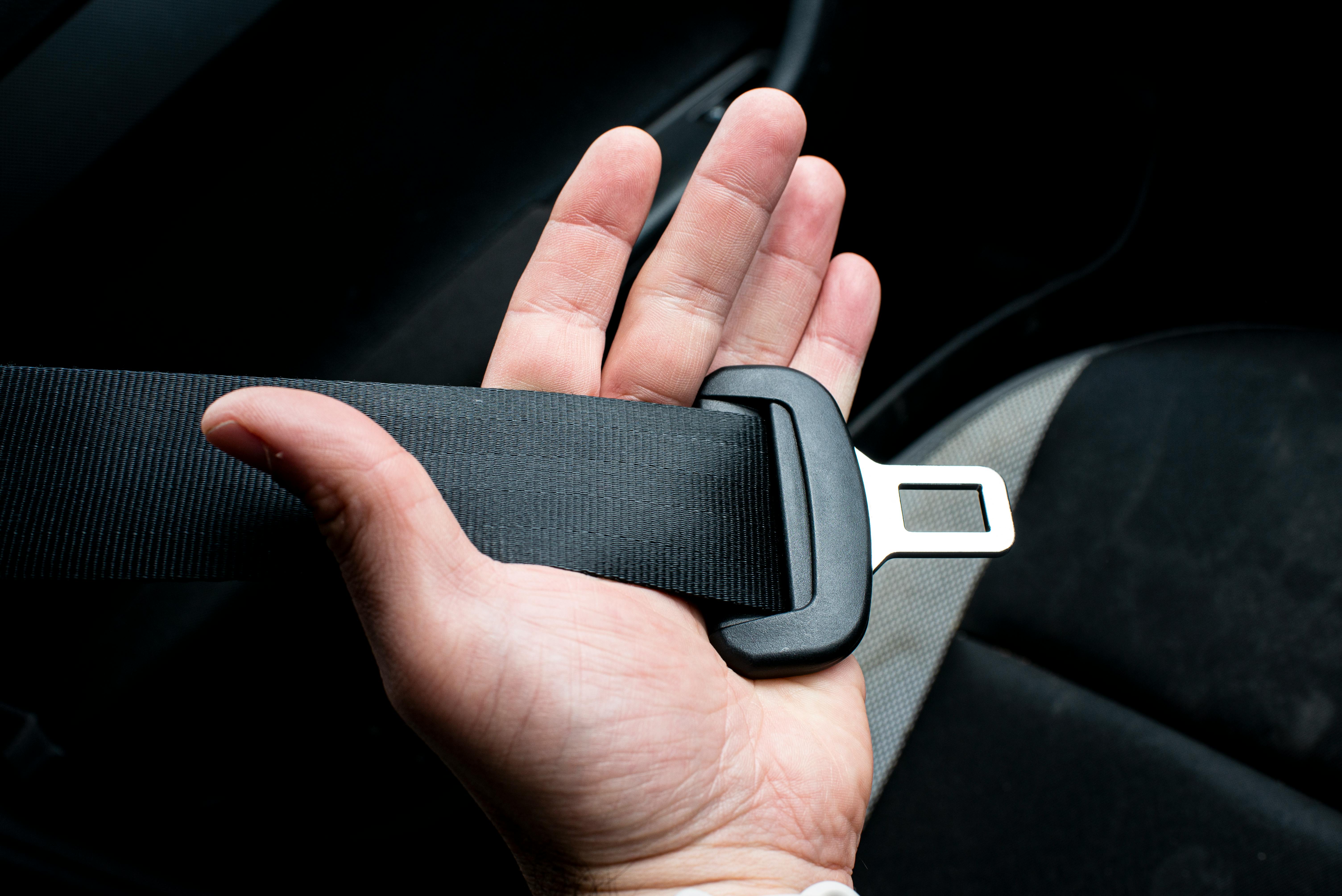
The defect centers on the front seat belt pretensioner within the retractor assembly. Pretensioners are designed to work during certain crash events by tightening the belt rapidly to reduce slack and hold the occupant in a safer position. In the affected Ford and Lincoln SUVs, however, the pretensioner may inadvertently lock the seat belt, which can stop the belt from extending or retracting during normal use. NHTSA’s recall documentation describes that failure mode clearly, and the consequence is straightforward: a seat belt that does not move properly may fail to restrain the occupant as intended.
That technical description matters because it helps explain why drivers may notice symptoms before any crash occurs. An owner might find that the seat belt feels stuck, unusually tight, reluctant to extend when pulled, or slow to retract after unbuckling. Some may dismiss that as age, wear, or cold-weather stiffness, especially in larger SUVs that see heavy family use. But the recall shows that abnormal belt behavior can be tied to a specific defect rather than ordinary aging. When the part involved is a pretensioner or retractor, even seemingly minor resistance can indicate a safety-critical problem.
The history behind this recall makes the issue more significant. Ford had already recalled certain 2018-2020 Expedition and Navigator vehicles under earlier actions, including recall 24S06 and then recall 25S31, after concerns involving the same general seat belt pretensioner problem. The newly reported 2026 action replaces and expands prior recalls, indicating the initial scope was not broad enough to capture the full population of vehicles with potentially defective parts. That is often one of the most closely watched elements in auto safety: not just whether a company recalls vehicles, but whether the first recall actually covers all affected units.
NHTSA’s prior investigation into inadvertent seat belt pretensioner deployment adds more context. The agency’s Office of Defects Investigation summarized reports involving Expeditions and Navigators and recorded injury incidents associated with the broader issue, although no fatalities were listed in that summary. That does not mean every recalled vehicle is dangerous to drive at every moment, but it does show regulators had enough evidence to scrutinize the component closely. Once a restraint defect appears across field reports, warranty claims, and multiple recall expansions, it stops looking like a one-off anomaly and starts looking like a systemic quality-control problem that requires a wider corrective action.
What Ford owners should do now

Owners of affected 2018-2022 Ford Expedition and Lincoln Navigator SUVs should confirm whether their vehicle is included and schedule the recall repair with a Ford or Lincoln dealer as soon as possible. Under the recall remedy outlined by NHTSA, dealers will inspect the seat belt retractor date codes and replace the seat belt retractors as necessary at no cost. That free-repair requirement is standard for safety recalls, but it is still worth emphasizing because some owners delay action out of concern over service charges. In this case, the inspection and any required remedy are part of the recall process and should not be billed to the customer.
The first practical step is to check the vehicle identification number through official recall channels or by contacting a dealer directly. Owners can also call Ford customer service, and NHTSA advises consumers to move quickly when an open recall appears. Even if an SUV was previously inspected under an earlier recall, that does not automatically mean the matter is closed. Ford’s March 2025 recall filing explicitly noted that some vehicles inspected earlier would still need the new remedy, which is a crucial detail for drivers who assume prior service visits resolved the problem permanently.
It also helps to pay attention to symptoms while waiting for an appointment. If the driver or front passenger belt will not extend easily, will not retract normally, or seems locked without a crash event, that behavior should be treated seriously. Owners should document what they experience, note whether the issue affects one or both front seats, and relay that information to the dealer. Service departments can work faster when the customer clearly describes what happens during use, and that may help technicians identify whether the retractor assembly matches the recalled population.
There is a broader consumer lesson here as well. NHTSA has repeatedly urged Americans to check open recalls regularly, noting that more than 1,000 vehicle and equipment safety recalls were issued in 2024 alone, a near-record number. Many recalls never get completed promptly, especially when the vehicle appears to drive normally. But restraint defects are different from trim pieces, software quirks, or minor convenience issues. If a seat belt may not function properly in a crash, the safest assumption is that the repair deserves top priority, even for owners who have not yet experienced a visible malfunction.
Why this recall adds pressure on Ford

For Ford, the recall is significant not only because of its size but because it touches a recurring weak point: recall execution and quality management. The company has spent years dealing with scrutiny from regulators over the timing, scope, and effectiveness of safety recalls. When a manufacturer has to replace and expand an earlier recall, it raises the uncomfortable question of whether the original remedy population was defined too narrowly, whether supplier traceability was incomplete, or whether the defect pattern evolved after the first fix. None of those outcomes inspire confidence among owners or investors.
The vehicles involved make the optics even more difficult. The Ford Expedition and Lincoln Navigator are premium, high-margin SUVs that sit near the top of their respective brand portfolios. Buyers expect them to deliver not only comfort and capability but also robust safety engineering. A front seat belt defect undercuts that expectation at a fundamental level because it affects the most basic promise a vehicle makes to its occupants: that the primary restraint system will work when needed. When a defect reaches that level, reputational damage can extend well beyond the immediate cost of repairs.
There is also a supply-chain angle that should not be overlooked. Modern recalls often trace back to a component issue shared across multiple model years, assembly runs, or brands using the same supplier architecture. When the defect involves a retractor or pretensioner, automakers must identify affected production lots precisely, determine how far the exposure spreads, and ensure dealers have the correct replacement parts. That logistical work is expensive and difficult, especially when hundreds of thousands of vehicles are involved. It also tests whether the manufacturer can communicate clearly enough to prevent owner confusion, duplicate repairs, or unnecessary delays.
At the same time, the recall demonstrates how the safety system is supposed to work when it functions properly at the regulatory level. Field incidents generate complaints and warranty claims, investigators review patterns, manufacturers file defect reports, and dealers perform repairs free of charge. That process is imperfect, and it can be frustratingly slow, but it is still the mechanism that turns a hidden defect into a public corrective action. Ford’s challenge now is not merely to announce the recall. It is to complete it efficiently, reassure customers that the fix is durable, and avoid another cycle in which an expanded recall becomes necessary down the road.
The bigger lesson for SUV buyers and the industry

This recall is a reminder that vehicle safety is no longer just about crash-test scores and advanced driver-assistance systems. The fundamentals still matter most. A full-size SUV may offer cameras, lane-centering, adaptive cruise control, and a long list of airbags, but none of that erases the importance of a properly functioning seat belt. In real-world crashes, restraint systems remain the first line of defense, and even a sophisticated vehicle becomes less safe if a belt cannot extend, retract, or hold the occupant correctly. That is why a defect in this category carries more weight than many technology-related recalls.
For consumers, the takeaway is not that Ford vehicles are uniquely flawed or that large SUVs are inherently unsafe. Rather, it is that any manufacturer can face a safety defect, and owners have to treat recall notices as part of responsible vehicle ownership. People often respond quickly to a check-engine light because it affects drivability, fuel economy, or convenience. Safety recalls deserve at least the same urgency, even when the vehicle still starts, runs, and feels normal. The absence of obvious danger on an ordinary school run or highway trip does not mean the risk disappears in an emergency.
For the industry, the recall underscores how much accountability now hinges on follow-through. Regulators, consumer advocates, and drivers increasingly judge automakers not just on whether defects occur, but on how quickly they identify them, how accurately they define the affected population, and how completely they close the repair campaign. Expanded recalls can be especially damaging because they suggest earlier corrective steps fell short. In a market where trust is difficult to win and easy to lose, recall performance has become part of brand value.
Ultimately, Ford’s recall of nearly 420,000 SUVs is both a specific event and a broader warning. Specifically, it tells Expedition and Navigator owners to get their vehicles checked immediately if they are covered. More broadly, it shows how a single malfunction in a core safety component can ripple across manufacturing, regulation, consumer confidence, and brand reputation. The vehicles in question are large, expensive, and designed to protect families on long trips and daily drives alike. That makes the message unusually clear: when the front seat belt system is in doubt, waiting is the wrong move.