


Cancer treatment is entering a new phase. The most hopeful breakthroughs are not only helping some patients live longer, but also allowing doctors to ask a question that once seemed out of reach: who can safely avoid chemotherapy?
Why doctors are rethinking chemotherapy in the first place
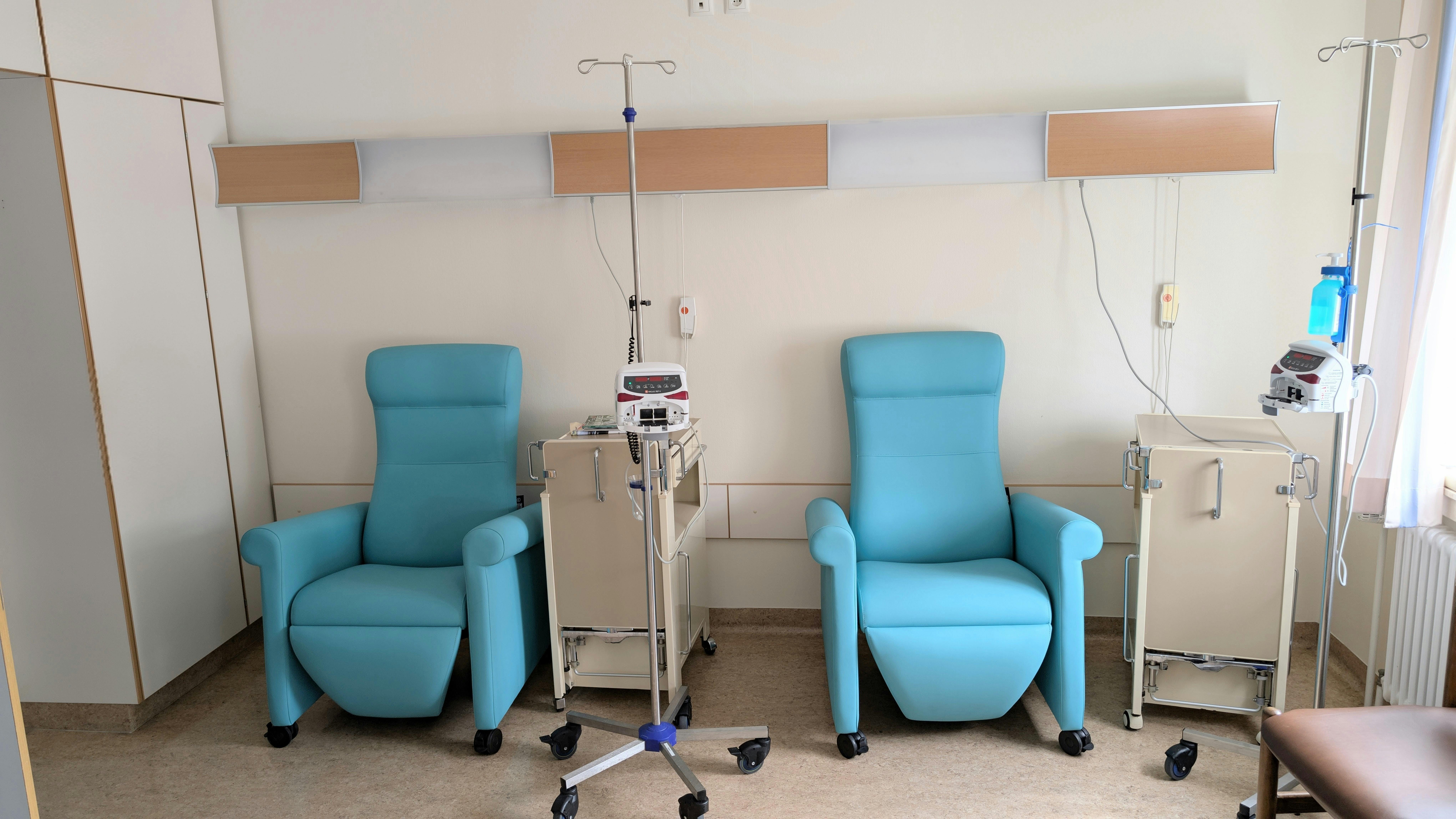
For decades, chemotherapy has been one of the backbone treatments in cancer care because it can destroy fast-growing cancer cells throughout the body. It has saved countless lives, especially when used after surgery to wipe out microscopic disease or before surgery to shrink tumors. But chemotherapy is also blunt by design. It often damages healthy cells along with cancerous ones, which is why patients can face hair loss, nausea, infections, nerve damage, fatigue, infertility, and long-term heart or bone marrow complications, according to the National Cancer Institute.
That reality has pushed oncologists toward a major goal: de-escalation. In plain terms, that means giving patients only as much treatment as they truly need, and no more. The shift is not about making treatment easier for its own sake. It is about using biology, imaging, genetics, and better monitoring tools to identify which cancers are likely to respond to less toxic therapies and which still require intensive treatment.
This is where the newest breakthroughs are changing practice. Instead of assuming that everyone with the same cancer type needs the same regimen, doctors are increasingly dividing patients into much smaller groups based on the tumor’s molecular features. A mismatch repair-deficient rectal cancer does not behave like every other rectal cancer. A stage II colon cancer with no detectable circulating tumor DNA after surgery may carry a very different relapse risk than one with a positive blood test. A breast tumor with a certain genomic profile may not benefit much from chemotherapy at all.
That does not mean chemotherapy is going away. For many aggressive or advanced cancers, it remains essential and often life-prolonging. But the mood in oncology is changing because the question is no longer whether treatment can be personalized. It already is. The question is how quickly new evidence can be translated into routine care so that more patients can avoid unnecessary toxicity without sacrificing the odds of cure.
The rectal cancer breakthrough that changed the conversation

Few developments have generated more excitement than the results seen in a narrow but important group of rectal cancer patients with mismatch repair-deficient, or dMMR, tumors. In a landmark line of research led by investigators at Memorial Sloan Kettering and reported in The New England Journal of Medicine, patients with locally advanced dMMR rectal cancer were treated with the immunotherapy drug dostarlimab before any chemotherapy, radiation, or surgery. Early reports were remarkable, and longer follow-up published in 2025 strengthened the case that many of these patients can achieve a complete clinical response without needing the standard combination of chemotherapy, radiation, and major surgery.
That matters because traditional rectal cancer treatment can be life-altering even when it works. Patients may need months of chemoradiation, surgery that affects bowel and sexual function, and sometimes a permanent ostomy. In the newer immunotherapy-first approach, a substantial number of carefully selected patients had no detectable tumor after treatment and could enter close surveillance rather than moving automatically to surgery. The study’s implications go far beyond convenience. They point to the possibility of curing some patients while preserving organ function and quality of life.
The key, however, is patient selection. This strategy appears most effective in tumors with mismatch repair deficiency or high microsatellite instability, a biologic signature that makes cancers more visible to the immune system. These cancers represent only a minority of rectal cancers, but for that group the results have been strong enough to reshape expectations. The National Cancer Institute is now listing trials specifically designed to test whether dostarlimab alone can let patients avoid chemotherapy, radiation, and surgery in untreated dMMR or MSI-H rectal cancer.
Researchers are also extending the concept to related diseases. A 2024 New England Journal of Medicine study of locally advanced dMMR colon cancer found neoadjuvant immunotherapy could produce major responses before surgery, reinforcing the idea that this biology-driven approach is not a one-off result. Still, doctors stress that this is not a blanket permission slip to skip standard therapy. It is a powerful example of how a tumor’s genetic makeup can open the door to less toxic care, but only when the evidence is strong and follow-up is rigorous.
How blood tests are helping identify who may safely avoid chemo
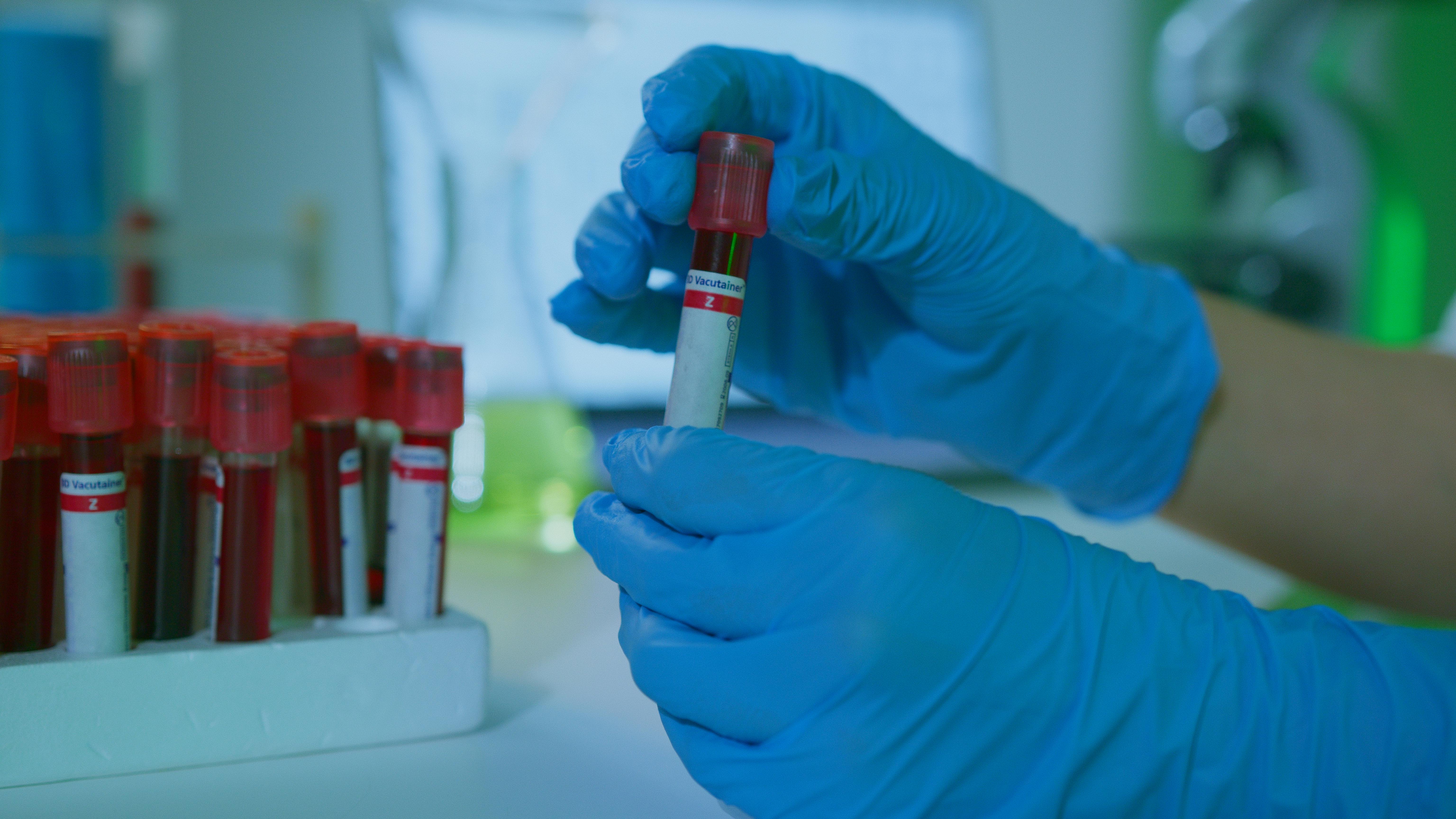
Another promising frontier is the use of circulating tumor DNA, or ctDNA, often described as a liquid biopsy. These tests look for tiny fragments of tumor-derived DNA in the bloodstream after surgery. If none is found, that may suggest the cancer has been fully removed. If ctDNA is detected, it can signal that microscopic disease remains even when scans appear clear. That makes the test especially attractive in early-stage cancers where the big treatment decision is whether adjuvant chemotherapy is worth the side effects.
Colon cancer has become one of the clearest examples. In a widely discussed study published in The New England Journal of Medicine, a ctDNA-guided strategy for stage II colon cancer reduced chemotherapy use compared with standard decision-making while preserving recurrence-free survival. The trial found that only 15% of patients in the ctDNA-guided group received adjuvant chemotherapy, compared with 28% in the standard-management group. Among ctDNA-negative patients who did not receive chemotherapy, the 3-year recurrence-free survival rate was 92.5%, a result that gave doctors confidence that some patients may be safely spared treatment.
The National Cancer Institute has highlighted ctDNA as one of the most important emerging tools in colorectal cancer care, while also cautioning that the technology is still being refined. The tests are powerful, but they are not perfect. Timing matters, assay design matters, and some tumors shed more DNA into the blood than others. A negative test does not erase all risk, and a positive test raises difficult questions about which drug regimen is best and how soon therapy should begin.
Even with those caveats, the underlying shift is profound. Historically, oncologists had to estimate recurrence risk using tumor size, lymph node status, and other pathology features. Now they can sometimes look for direct molecular evidence of residual disease. That does not just help identify patients who can skip chemotherapy. It also helps identify those who may actually need more aggressive treatment than standard features alone would suggest. In that sense, ctDNA is not simply a way to reduce therapy. It is a way to make treatment more honest, more individualized, and more closely tied to what is happening inside the body.
Precision medicine is expanding the list of patients who may need less treatment

The push to spare patients chemotherapy did not begin with ctDNA or rectal cancer immunotherapy. It has been building for years through precision medicine, especially in breast cancer. Large studies changed practice by showing that many women with hormone receptor-positive, HER2-negative, node-negative early breast cancer do not benefit meaningfully from chemotherapy if their genomic recurrence scores fall in a certain range. That was one of the earliest and clearest signs that tumor biology could overrule the old one-size-fits-all model.
Since then, the de-escalation movement has spread. In breast cancer, researchers are testing not only who can skip chemotherapy, but in some cases who may avoid radiation or even surgery after excellent responses to systemic treatment. Reuters reported in 2025 on a small study presented at the Society of Surgical Oncology showing that some patients with early-stage invasive breast cancer who had no detectable tumor after chemotherapy remained free of recurrence years later without surgery, though that approach remains investigational and far from routine practice.
At the same time, new drugs are redefining what “not chemotherapy” even means. Antibody-drug conjugates deliver cancer-killing payloads more precisely to tumor cells. Checkpoint inhibitors can sometimes replace or reduce traditional cytotoxic treatment in biomarker-selected groups. In aggressive breast cancer, Reuters reported that Gilead’s Trodelvy combined with Merck’s Keytruda outperformed chemotherapy plus Keytruda in previously untreated patients with PD-L1-positive advanced triple-negative disease, with median progression-free survival of 16.5 months versus 9.2 months in the chemotherapy group presented at ASCO 2025. That is not a story about avoiding all treatment. It is a story about moving toward treatment that is more targeted and potentially more effective.
The broader lesson is that de-escalation and innovation are happening at the same time. Some patients will receive less treatment because doctors can identify low-risk disease more accurately. Others will receive newer, smarter therapies that replace part of the toxic burden of older regimens. In both cases, the same principle applies: treatment decisions are increasingly being guided by the specific biology of the tumor, rather than by habit or broad averages drawn from older cancer care.
What this means for patients now and what still needs to be proved

For patients and families, the hopeful message is real but it needs context. Yes, some people with cancer may now be able to skip chemotherapy, and the evidence supporting that possibility is stronger than it was even a few years ago. But the opportunity applies to specific cancers, specific stages, and specific biomarker-defined groups. It is not a general rule, and it should never be interpreted as a reason to decline recommended treatment without a careful discussion with an oncology team.
Doctors are especially cautious because cancer research is full of promising early signals that do not always hold up in broader use. The best examples of treatment de-escalation succeed only when follow-up is long enough and surveillance is strict enough to catch relapse early. In the rectal cancer immunotherapy studies, for example, experts are enthusiastic precisely because the responses have remained durable over time, not simply because the initial scans looked good. Even then, patients need close monitoring, often with repeated imaging, endoscopy, and exams.
There are also practical barriers. Not every patient has immediate access to advanced genomic testing, mismatch repair screening, or high-quality ctDNA assays. Insurance coverage can vary. Community hospitals may not yet offer the same trial-based pathways available at major academic centers. And as these breakthroughs move into routine care, oncologists will need clear guidelines on who qualifies, how to monitor them, and what to do if tests give mixed signals.
Still, the direction of travel is unmistakable. Cancer care is becoming more precise, less reflexively aggressive, and more focused on preserving the life patients want to return to after treatment. The biggest breakthrough may not be a single drug or test, but a new philosophy: if doctors can identify who truly needs chemotherapy and who does not, then cancer treatment becomes not just more advanced, but more humane. That is why these developments are giving doctors hope. For some patients, they are also giving something just as important: the chance to be cured with less.