

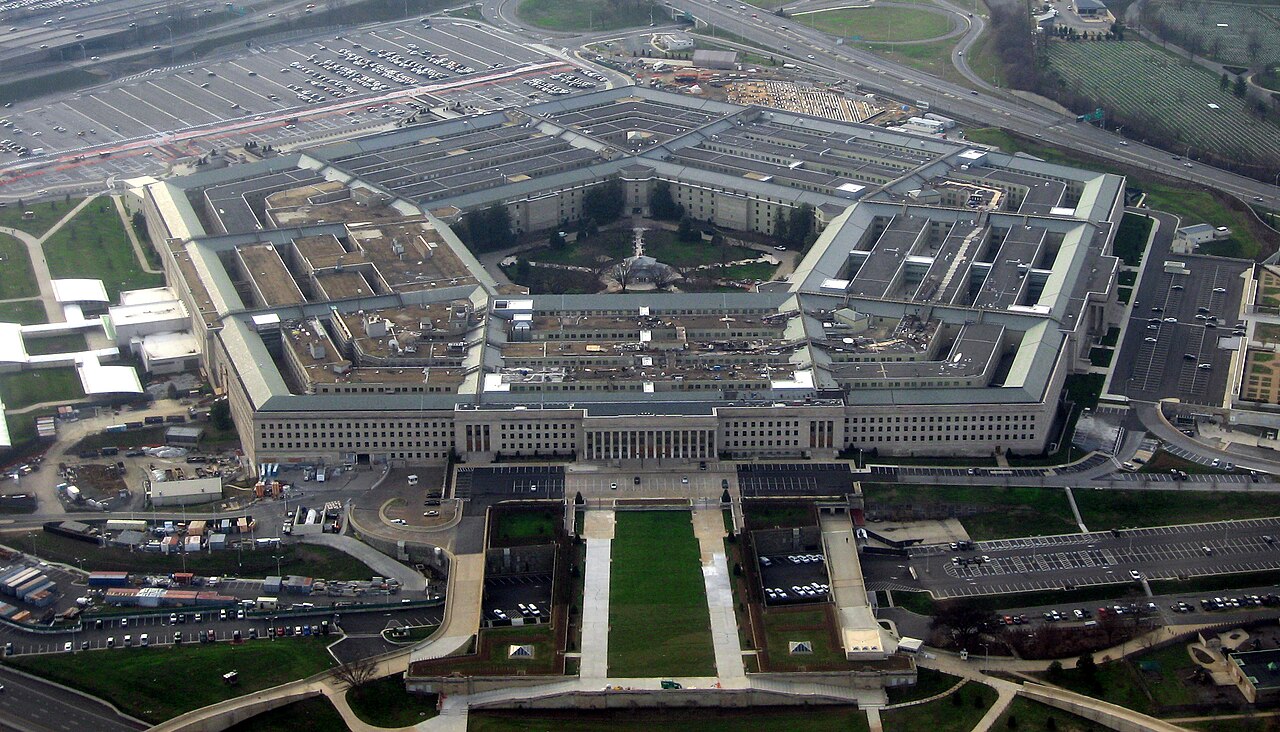
The mystery is still intact, but the paper trail is getting harder to ignore. The Pentagon’s third declassified UFO release is the most revealing installment so far.
What the third release actually includes

The latest batch was released on June 12, 2026, as part of the government’s ongoing PURSUE transparency initiative, short for the Presidential Unsealing and Reporting System for UAP Encounters. According to Pentagon statements carried by CBS News, Fox television affiliates and other outlets, this third tranche adds 72 files to the public archive. That total reportedly includes documents, still images, videos and audio records drawn from several agencies.
What makes this drop stand out is not a single sensational image, but its breadth. Reports indicate the files include material from the FBI, CIA, NASA, the Pentagon and at least one intelligence community partner. That kind of cross-agency mix matters because it shows the UFO issue, now usually labeled UAP for unidentified anomalous phenomena, has never been confined to one office or one era.
The Pentagon has also emphasized that the files are being released on a rolling basis rather than in one dramatic dump. That suggests officials are trying to balance public demand for disclosure with the slower work of declassification review. Even by that cautious standard, this third installment appears to be the richest package yet.
Why this batch feels more substantial than the first two

The first two releases established the basic framework: publish historical records, add recent investigative files and let the public inspect material that had long circulated only in rumor or heavily filtered summaries. This third release appears more textured because it combines raw observation, agency analysis and archival context in one place.
Coverage from the Associated Press and NBC News indicates the new files feature descriptions of spinning discs, glowing orbs and oddly shaped airborne objects. Some of the most discussed materials involve orb sightings, not the classic saucer imagery that dominates pop culture. That shift is important because it reflects how modern military and intelligence reporting now treats UAP as an observational and national security issue rather than a purely cultural phenomenon.
The result is a release that feels less like mythology and more like bureaucracy under pressure. Readers can see how incidents were logged, how credibility was weighed and how unresolved cases were preserved instead of dismissed outright. That does not make the material proof of anything otherworldly, but it does make it more useful.
The orb cases are driving the public’s fascination
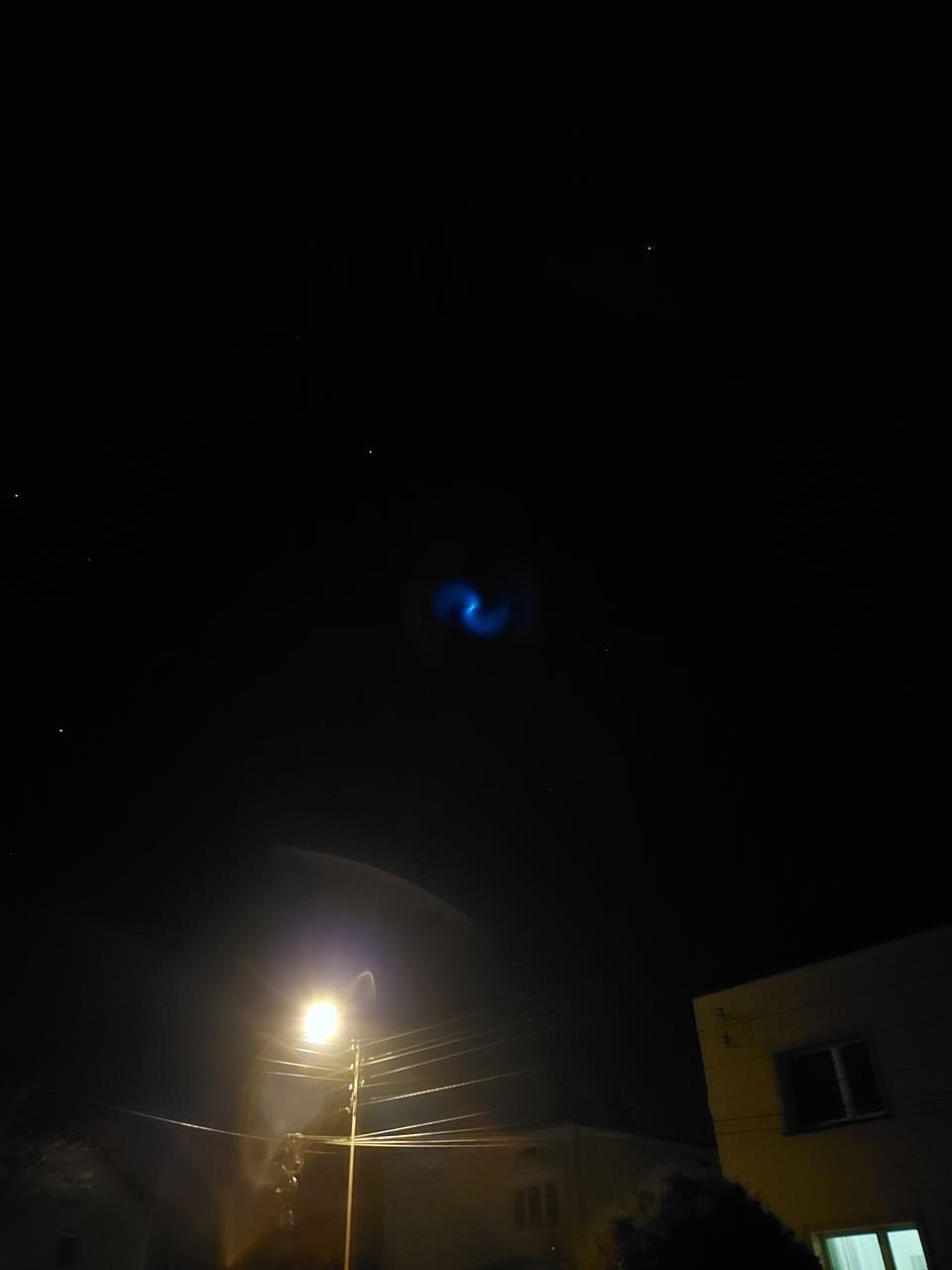
Much of the attention around this third batch centers on reports of glowing orb-like objects. News coverage describes several cases in which witnesses, including government personnel, reported strange luminous objects moving in ways they could not easily explain. Some files reportedly include multiple sightings in the same region over a span of years, which gives investigators more than a one-off anecdote to study.
That recurring pattern is a major reason this release has drawn such intense interest. A single blurry object can be written off as misidentification, camera error or atmospheric distortion. A cluster of reports, supported by videos, sketches or separate witness narratives, becomes harder to treat casually even if no final explanation is available.
At the same time, the public should resist jumping from “unresolved” to “alien.” ABC News reported after the second release that AARO, the Pentagon’s All-domain Anomaly Resolution Office, has found no evidence that investigated cases are extraterrestrial in origin, even while acknowledging that some remain unresolved. That distinction is crucial to understanding what these files do, and do not, prove.
The historical records may matter as much as the new sightings

One reason this release is being called the most detailed yet is that it does not focus only on recent videos. Reports about the new files say the archive also contains historical records, including older government assessments and audio tied to early space-age material. That broadens the story from “what was seen recently” to “how has the government handled this question across decades?”
Some coverage highlights less-redacted Cold War-era material and historic interviews linked to astronauts and military personnel. Those records matter because they show the continuity of institutional interest. The subject has moved through different labels, different agencies and different political climates, but it has never entirely disappeared from federal attention.
That historical layering also helps explain why UFO disclosure remains such a durable public obsession. People are not just reacting to a few new clips. They are reacting to the realization that unexplained aerial reports have been documented, debated and archived for generations, often with more seriousness than official culture once admitted.
What the Pentagon is signaling with this transparency push

The release is also a message about governance. The Pentagon and partner agencies are clearly trying to show that public curiosity no longer needs to be met with silence alone. Official statements around the broader program have framed the effort as an unprecedented transparency campaign, and reports say the dedicated government portal has drawn enormous traffic since launching in May 2026.
That does not mean the government is suddenly confessing to hidden knowledge about alien craft. In fact, the opposite may be closer to the truth. By publishing large volumes of messy, incomplete, and often ambiguous material, officials may be demonstrating that many UAP cases remain unresolved simply because the evidence is fragmentary, not because a grand answer is being withheld.
Still, transparency can change the debate even without a bombshell. It allows historians, journalists, skeptics, and enthusiasts to work from the same primary materials. That is a meaningful shift from decades in which the conversation was dominated by leaks, folklore, and selective official acknowledgment.
What this release changes, and what it still does not answer

The third batch does not settle the biggest question people bring to UFO stories: are we looking at extraterrestrial technology? Nothing publicly described in this release appears to provide definitive proof of that. The Associated Press was direct on this point, noting that the new files contain no blockbuster revelation despite the vivid descriptions and unusual footage.
What the release does offer is a sharper understanding of the government’s own recordkeeping. It shows that some sightings were detailed, seriously logged, and never fully explained. It also shows that agencies collected information in uneven ways, which helps explain why uncertainty has persisted for so long.
In that sense, this is the most detailed release yet because it replaces abstraction with documentation. The mystery remains, but the public now has a better view of the machinery behind it: witnesses, memos, imagery, archived doubts, and unresolved conclusions. For a subject long defined by secrecy, that alone is a significant development.