

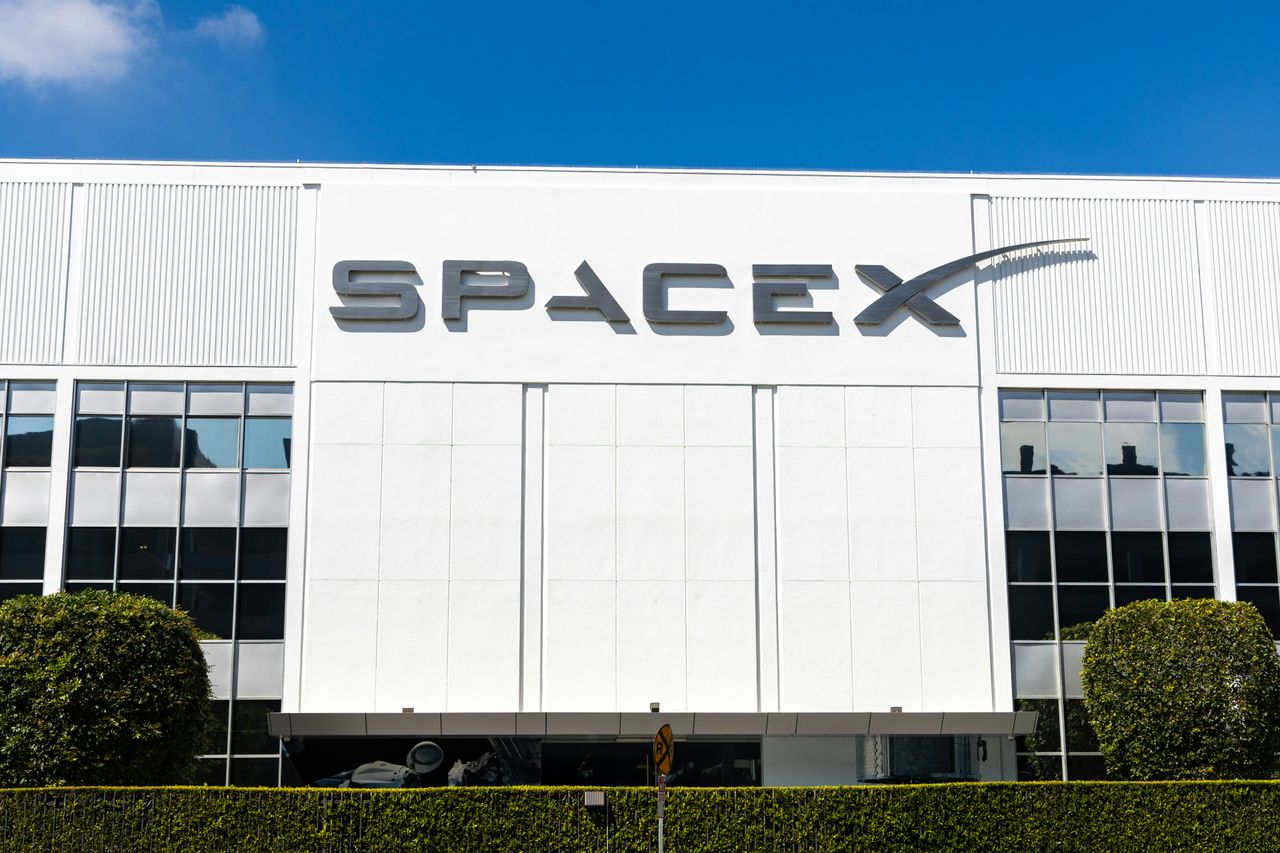
Wall Street has never seen a debut quite like this. SpaceX arrived in public markets with the force of a signature launch and immediately changed the scale of modern wealth.
A market debut that reset the IPO record

SpaceX opened trading after pricing its initial public offering at $135 a share, a level that raised $75 billion and established the company as the largest U.S. IPO on record. Early trading pushed the stock up 11%, briefly valuing the company at roughly $1.96 trillion, according to reporting from Reuters, AP and Axios. That instantly placed SpaceX among the most valuable public companies in the world.
The mechanics of the debut explain why the market reaction was so intense. Investors were not simply buying a rocket company in the traditional aerospace sense. They were bidding on a business that sits at the intersection of launch services, satellite communications, defense contracting and long-duration infrastructure in orbit.
That broader narrative helps explain why demand was so strong before the first trade. Reuters reported that the offering drew extraordinary interest despite the valuation, signaling that institutions were willing to pay a premium for scale, scarcity and Musk’s reputation for building category-defining companies.
The opening surge also mattered symbolically. After years of speculation over whether SpaceX would stay private indefinitely, the listing became a public referendum on whether capital markets believe the space economy has moved from futuristic concept to investable reality.
How Elon Musk became the world’s first trillionaire

The 11% jump at the open was enough to push Elon Musk’s paper wealth above $1 trillion, making him the first person ever to cross that threshold. AP reported that the stock move, combined with Musk’s large ownership stake in SpaceX and his holdings in other ventures, carried his net worth into unprecedented territory. Before the first trade, Forbes had placed his fortune at just under the trillion-dollar line.
The milestone is extraordinary, but it is also heavily tied to market pricing rather than cash in hand. Musk’s wealth remains concentrated in equity, and the number can move dramatically with changes in stock prices, lockup restrictions and broader sentiment. In practical terms, that means trillionaire status is real on paper while still being somewhat elastic in financial reality.
Even so, the event marks a turning point in the history of personal wealth. Previous eras produced industrial magnates, oil barons and technology billionaires. This one has produced a founder whose fortune is tied to electric vehicles, reusable rockets, satellite networks and the market’s belief that these systems can dominate future infrastructure.
That is why the trillionaire headline landed so loudly. It was not just about one man getting richer. It was about financial markets assigning massive present value to industries that until recently were still framed as speculative or science-fiction-adjacent.
Why investors are willing to pay so much for SpaceX
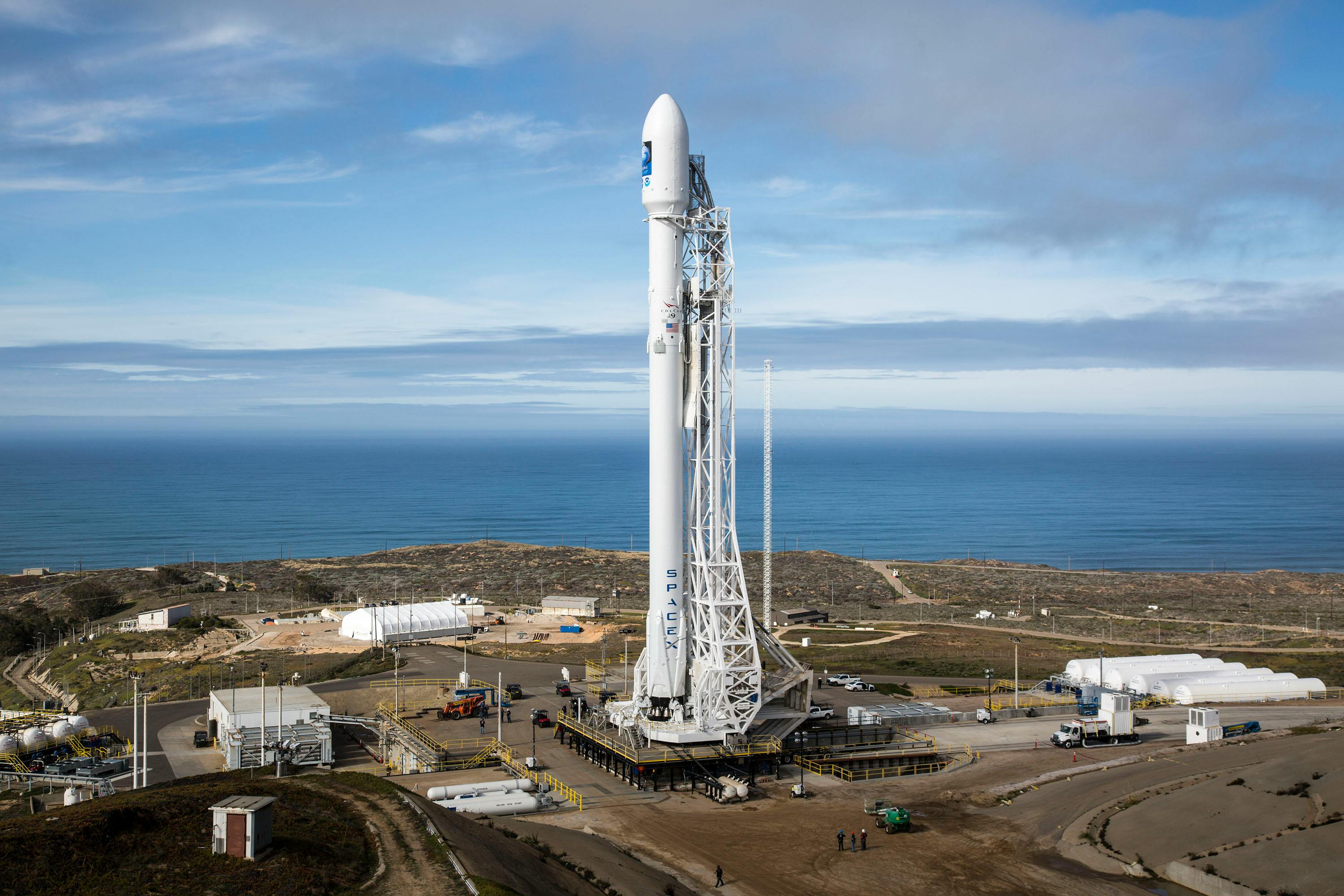
The central investment case rests on the idea that SpaceX is more than a launch provider. Its reusable rocket model has already changed the economics of getting payloads into orbit, and that capability feeds directly into the growth of Starlink, the company’s satellite internet network. For many investors, launch is the enabling engine and connectivity is the scalable revenue layer.
That combination is powerful because it ties hard engineering to recurring commercial income. A rocket launch business can be cyclical and contract-driven, but a communications platform can deliver subscription-like cash flow once deployed at scale. Markets tend to reward businesses that look less like manufacturers and more like infrastructure platforms.
There is also a geopolitical dimension. SpaceX has become deeply relevant to U.S. defense, government launch capability and resilient communications. That gives the company strategic importance beyond normal corporate metrics and makes it harder to compare directly with legacy aerospace names.
Still, the valuation comes with clear tension. Reuters noted that SpaceX generated only a fraction of the revenue produced by similarly valued technology giants and posted a loss nearing $5 billion last year. Bulls see that as an investment phase. Skeptics see it as a warning that the stock is priced for a near-perfect future.
The risks behind the euphoria
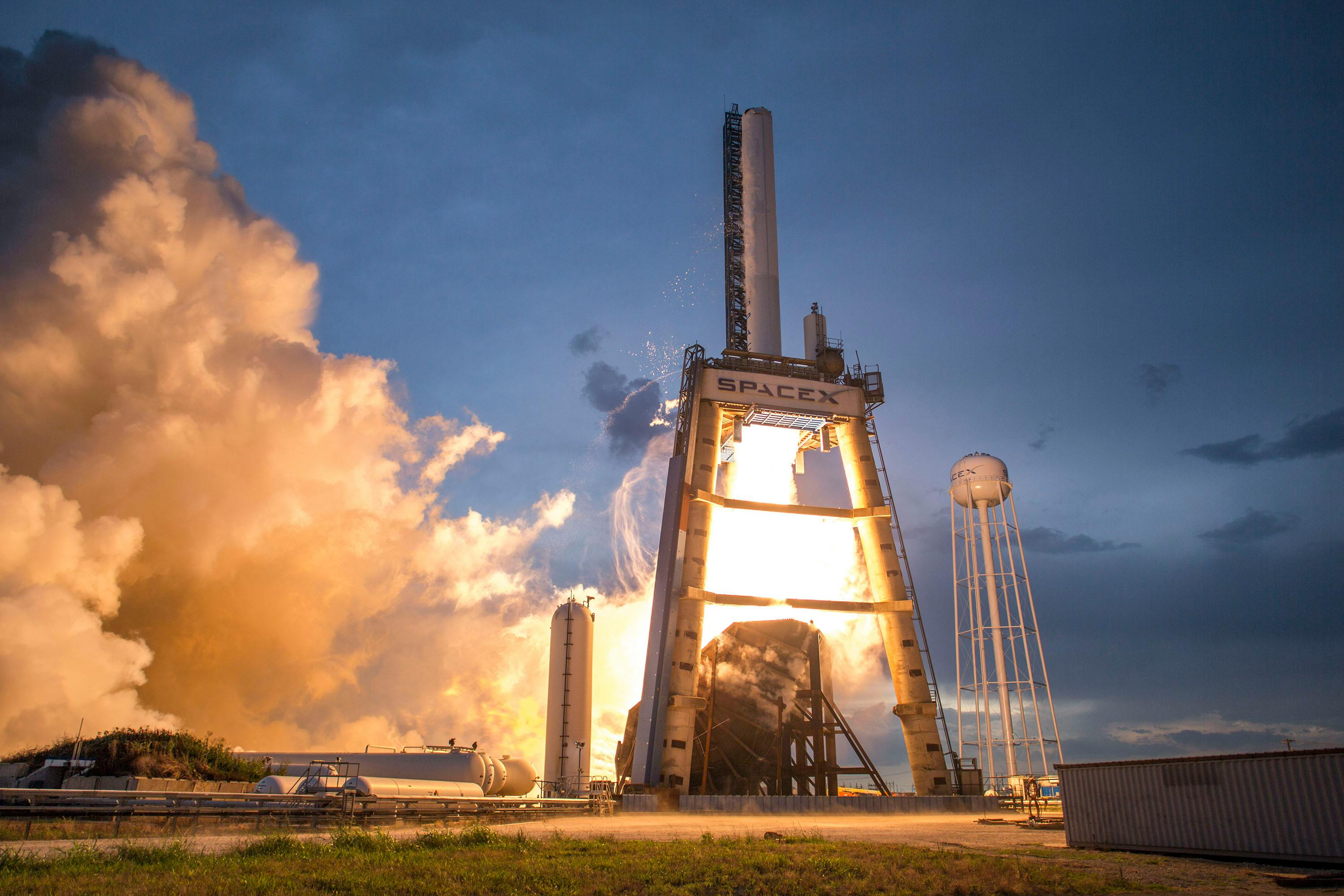
The most obvious risk is valuation. A company can be transformational and still be overpriced, especially when enthusiasm outruns near-term financial performance. If investors decide growth will take longer, margins will remain thinner, or regulation will tighten, the same stock that surges on debut can quickly re-rate lower.
Execution risk is equally important. SpaceX must continue delivering reliable launches, expanding Starlink, managing capital intensity and meeting the expectations that come with public ownership. Private investors often tolerate long arcs of experimentation. Public markets usually demand clearer timelines and cleaner accountability.
There is also the Musk factor. His ability to attract capital is unmatched, but his public profile can create volatility of its own. Investors are not just buying exposure to SpaceX’s operations; they are also accepting the governance, headline risk and unpredictability that follow one of the world’s most scrutinized CEOs.
Finally, the listing reopens broader questions about inequality and market concentration. AP noted that Musk’s trillionaire milestone is already fueling criticism about the scale of wealth accumulation in an era of housing strain, wage pressure and political polarization. That debate will now travel alongside every move in the stock.
What this IPO means for Wall Street and the space economy

SpaceX’s debut is likely to alter the IPO market well beyond a single ticker. For bankers, venture investors and late-stage founders, it provides a new template for how markets may reward companies that blend deep technology, national relevance and founder mythology. It may also embolden other private giants to test public demand sooner rather than later.
The ripple effects across the space sector could be even more significant. A successful listing gives the entire industry a powerful valuation marker. Smaller launch firms, satellite manufacturers, defense technology startups and orbital services companies may now find it easier to raise money by pointing to SpaceX as proof that public investors will support large-scale space businesses.
At the same time, the debut raises the bar. The market is not celebrating space in the abstract; it is celebrating a company that built a dominant position through repeated execution. That distinction matters because weaker imitators may discover that investor enthusiasm does not automatically extend to every business with a rocket in its pitch deck.
In the end, SpaceX’s first trading day was about more than an 11% pop. It marked the moment the public market placed a trillion-dollar founder and a nearly $2 trillion space company at the center of mainstream finance, with all the promise, ambition and tension that status brings.