

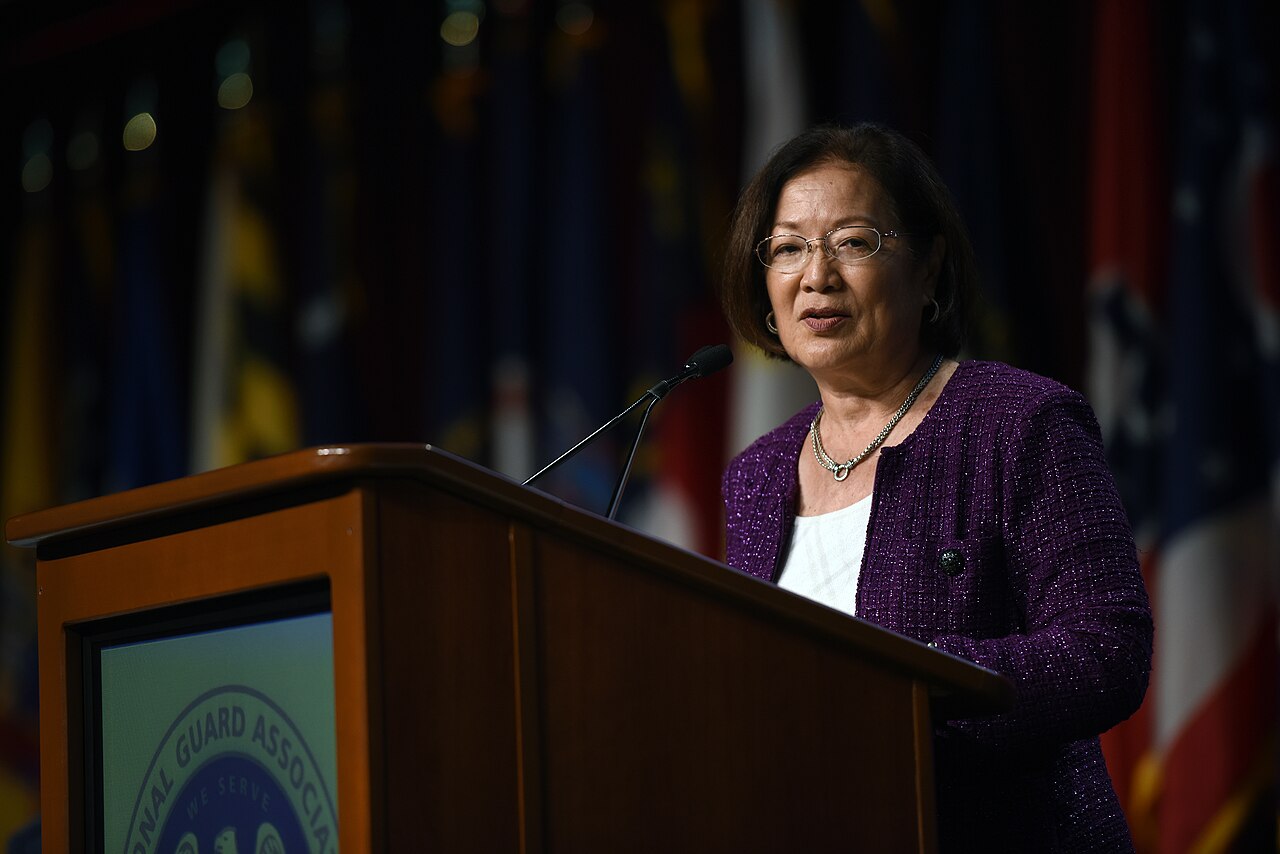
Confirmation hearings for top federal posts often become tests of both policy and personal conduct. At Todd Blanche’s Senate Judiciary Committee hearing on July 15, Sen. Mazie Hirono of Hawaii again began her questioning with the same #MeToo-era misconduct prompt she has said she asks every nominee. The exchange drew fresh attention because Blanche is President Donald Trump’s pick to serve as attorney general after already leading the Justice Department on an acting basis.
Hirono used the same opening questions she has deployed for years
Blanche appeared before the Senate Judiciary Committee on Wednesday, July 15, seeking confirmation as attorney general after serving as acting attorney general since April, according to the Associated Press and the committee’s hearing materials. During the hearing, Hirono opened her remarks with two questions about sexual misconduct and related discipline, a format she has used repeatedly in nomination hearings.
Hirono’s standard first question asks whether, since becoming a legal adult, a nominee has ever made unwanted requests for sexual favors or committed verbal or physical harassment or assault of a sexual nature. Her second asks whether the nominee has ever faced discipline or entered into a settlement related to that conduct. Hirono’s office published the same wording in a January 14, 2025, exchange with Defense Secretary nominee Pete Hegseth, where she said she asks those questions of all nominees appearing before committees on which she sits.
Congressional hearing records also show Hirono using the same language in earlier Judiciary Committee nomination hearings. A 2023 federal appointments hearing transcript on Congress.gov records Hirono saying she asks the two initial questions to ensure the fitness of all nominees who appear before the committees on which she serves.
The hearing took place in Washington, but the lawmaker at the center of the exchange represents Hawaii and has made the questioning style part of her public approach to vetting nominees. Hirono has framed the practice as a fitness test tied to the heightened scrutiny of workplace misconduct that followed the #MeToo movement, rather than as a one-off line of attack against a single Trump nominee.
What is confirmed is that Hirono used the questions again during Blanche’s July 15 confirmation hearing. What is not yet publicly available in full is an official committee transcript of her entire exchange with Blanche from that hearing, though contemporaneous coverage and hearing imagery confirm she spoke during the proceeding and that the hearing centered on Blanche’s nomination.
For Hawaii readers, the hearing underscored how Hirono continues to project influence beyond state issues through her committee work. Her role was not procedural only: senators on the panel are central to determining whether Blanche advances, and the committee hearing marked one of the most visible stages of that process.
The reason Hirono keeps asking the same pair of questions is not new. Her office said in a 2025 release tied to the Hegseth hearing that she has posed them to every nominee since 2018. That timing places the practice squarely in the aftermath of the #MeToo era, when workplace harassment, assault allegations and institutional accountability became a larger part of confirmation politics.
Blanche’s hearing also occurred in a broader context of intense scrutiny over his stewardship of the Justice Department. The Associated Press reported that senators questioned him over his short but contentious tenure as acting attorney general, including the department’s handling of politically sensitive matters and a controversial compensation fund proposal. Those issues dominated the hearing’s policy stakes, but Hirono’s opening questions highlighted that personal conduct screening remains embedded in confirmation rituals.
For the public, the practical meaning is straightforward: Hirono’s repeated use of the question suggests it is now a fixed part of how at least one senator evaluates nominees for powerful federal jobs. Blanche’s nomination remains part of an ongoing Senate process, with the Judiciary Committee’s review serving as the next formal step before any full Senate consideration.