


The numbers are eye-popping. So is the story behind them.
California officials did not stumble onto a few overlooked planes. They uncovered a hidden world of private aircraft, opaque ownership structures, and a tax system that wealthy owners have learned to navigate with remarkable precision.
The discovery that turned heads across California
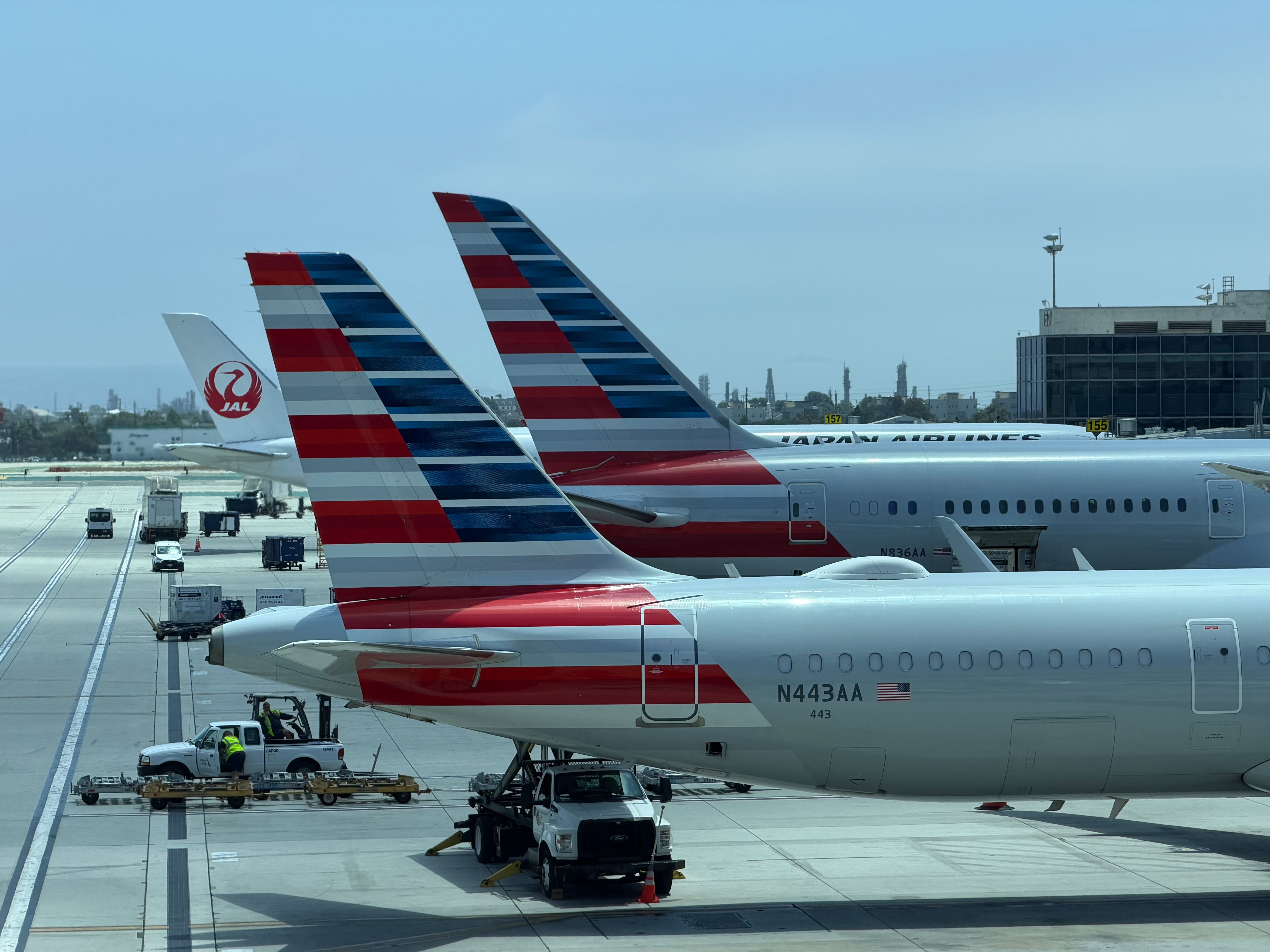
In March 2026, Los Angeles County Assessor Jeff Prang announced that an effort launched in January had identified nearly 1,000 previously unassessed aircraft. Those planes represented about $3.5 billion in combined assessed value for the 2026 tax year, with officials projecting roughly $38 million in added property tax revenue for schools, cities, public safety, and other local services.
That is not a routine bookkeeping update. It is a sign that a major category of high-value personal property had been sitting outside the local tax roll, sometimes for years. According to Prang’s office, the county used software that analyzes multiple data sources to identify aircraft activity at local airports and match that activity to taxable ownership.
The deeper significance is not just the dollar figure. It is the implication that aircraft ownership and location can be obscured enough that even one of the nation’s largest local tax jurisdictions needed a technology-driven sweep to find what was already there. When nearly 1,000 aircraft can go unassessed in a county packed with airports, hangars, charter operators, and elite travelers, the enforcement gap looks less like a clerical oversight and more like a structural weakness.
Why private jets are so hard for tax authorities to track
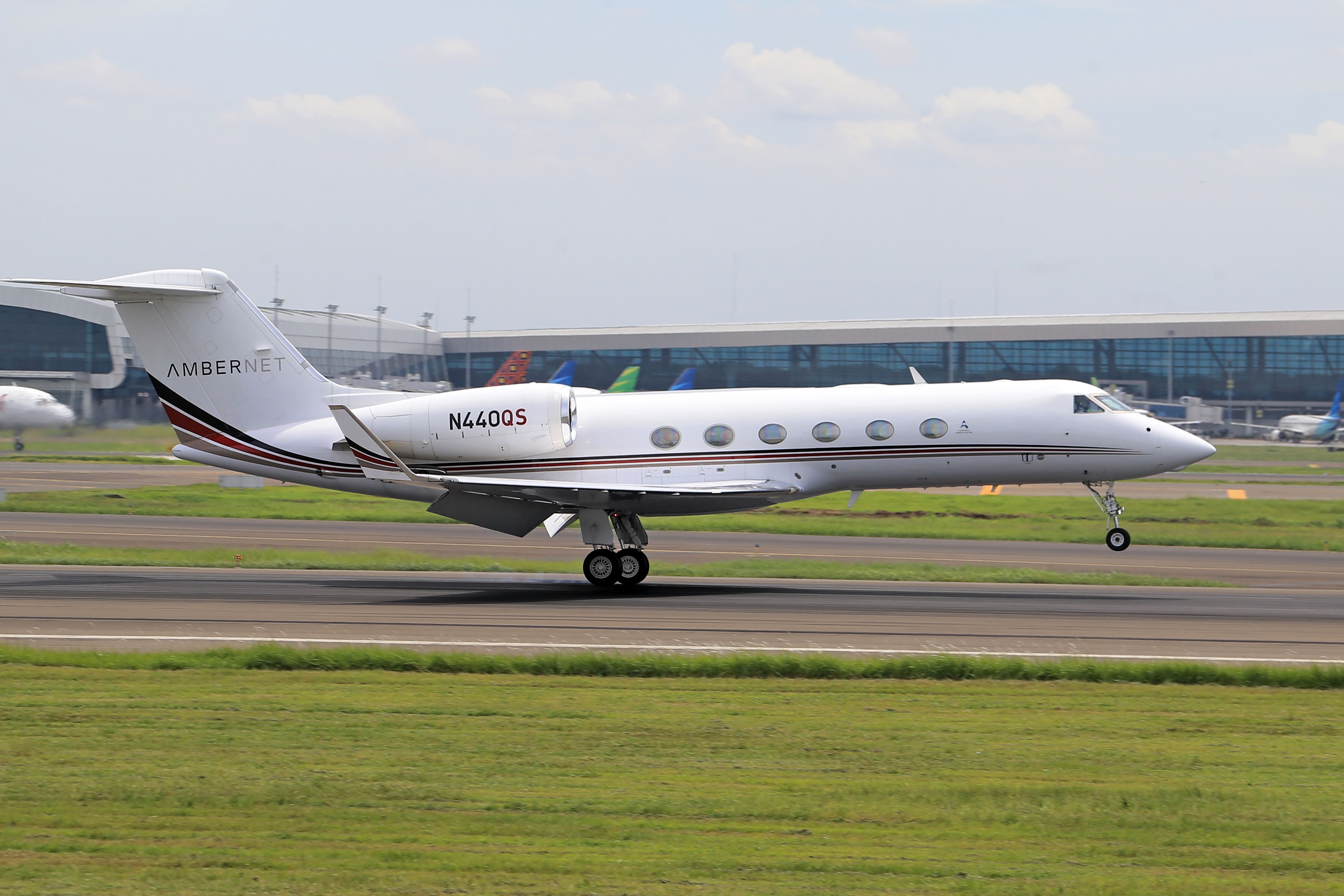
Aircraft are not taxed like houses, and they are not as visible as cars. A mansion has an address. A luxury SUV has plates and a DMV trail. A jet can be registered through layered entities, based in one place, serviced in another, and flown constantly across county and state lines.
California law generally taxes aircraft based on where they are primarily located and operated, not simply where they are registered. That sounds straightforward until officials must determine where a plane is habitually situated, how often it enters or leaves the state, and who actually controls it. County assessors often need to piece that answer together from airport records, FAA data, hangar information, maintenance logs, and ownership filings.
The tax complexity is compounded by federal privacy rules and registration practices. Some owners use LLCs, trusts, or management companies that separate the legal owner from the beneficial owner. Aviation publications and watchdog reporting have documented how private plane owners can shield their identities for privacy, security, or discretion. Those tools are not automatically illegal, but they can make enforcement far more difficult.
Prang’s office put it bluntly: some owners have exploited the complex registration process and data gaps to avoid detection and taxes. That is the jaw-dropping part. The hidden jets were not buried in a warehouse. They were flying in and out of one of the most monitored airspaces in America.
The tax dodge is legal in parts, abusive in practice
Not every tax-saving aircraft strategy is fraudulent. That distinction matters. California’s Department of Tax and Fee Administration says use tax can apply when a California buyer acquires an aircraft from an out-of-state seller, a private party, or a California dealer that delivers the aircraft outside the state, unless an exemption or exclusion applies.
One of the most contested areas involves out-of-state delivery and out-of-state first use. California guidance says that if an aircraft purchased outside California is first functionally used outside the state but enters California within 12 months, it is presumed to have been purchased for use in California if certain conditions apply, including California residency or California property tax exposure during that first year. Overcoming that presumption can require extensive documentation, including flight logs, maintenance records, delivery statements, insurance records, and fuel or hangar receipts.
That framework creates a gray zone that wealthy buyers and their advisers understand very well. The legitimate version is tax planning: structure the purchase correctly, document it meticulously, and qualify for an exemption. The abusive version is to create paper trails suggesting out-of-state use while the aircraft is effectively based in California or regularly used there. The state’s guidance makes clear that documentation is everything because location, use, and timing decide the outcome.
In plain English, the dodge works when enforcement is weaker than the owner’s ability to structure the transaction. Expensive planes come with expensive lawyers, accountants, brokers, and aviation managers. That imbalance can turn technical compliance rules into an elite advantage.
Why this matters far beyond the world of billionaires

It is easy to dismiss this as a niche scandal involving rich people and luxury travel. But local property tax systems do not work that way. When valuable taxable property is missing from the roll, governments either collect less revenue or shift more pressure onto everybody else.
Los Angeles County’s estimated $38 million in added revenue is not trivial. That money is expected to support public schools, municipal services, and public safety. In a state where local budgets are constantly under strain, uncovering unassessed aircraft is more than a symbolic win. It is a reminder that tax fairness often depends on whether governments can keep up with sophisticated asset-hiding strategies.
There is also a broader political dimension. Luxury tax avoidance stories resonate because they expose how differently rules can operate depending on wealth. Most Californians cannot hide a car, a paycheck, or a suburban home behind layered aviation entities and interstate flight records. A private jet owner can.
That disparity feeds public anger because it turns tax policy into a two-track system: high visibility and strict compliance for ordinary assets, low visibility and negotiable interpretation for exotic ones. The outrage is not really about jets alone. It is about unequal enforceability.
Washington is now fighting over the data trail

The story became even more explosive when the dispute moved to Congress. Recent reporting described a provision in federal aviation legislation that would restrict governments from using FAA aircraft-tracking data to identify private planes for revenue collection without owner or operator permission.
Critics say that would cripple local tax enforcement just as assessors are proving the value of those data tools. Supporters counter that aircraft surveillance data were created for safety and should not be repurposed as a tax dragnet. The conflict pits privacy and aviation industry concerns against the basic principle that taxable property should not disappear simply because it is mobile and expensive.
The timing could hardly be more revealing. Los Angeles County says its new methods helped identify about 1,000 unassessed aircraft. At the same moment, lawmakers are arguing over whether governments should be allowed to use the very data that made that discovery possible. That is why this no longer looks like a local tax story. It has become a test of whether enforcement tools will expand or be fenced off.
If the federal government narrows access to those records, counties may still pursue aircraft taxes, but the job becomes slower, costlier, and easier to beat. For owners who prefer opacity, that is not a bug. It is the point.
What California’s hidden jet sweep really tells us

The discovery of nearly 1,000 hidden aircraft worth $3.5 billion tells us three things at once. First, the money involved in private aviation is enormous enough to materially affect public revenue. Second, the systems used to register, base, and operate aircraft create openings that sophisticated owners can exploit. Third, tax enforcement in the ultra-wealthy world increasingly depends on data analytics, not traditional paperwork.
This episode also shows that “tax dodge” does not always mean a single dramatic fraud. More often, it means a maze of technical rules, incomplete disclosure, and strategic ambiguity. A plane may be registered one way, managed another way, flown under a different pattern, and taxed somewhere else entirely. That fragmentation is where compliance breaks down.
California’s sweep is a warning shot to owners who assumed mobility equals invisibility. It is also a challenge to lawmakers. If governments truly want tax systems to be fair, they cannot let the most expensive assets become the easiest ones to hide.
The jaw-dropping part is not merely that the planes were found. It is that so many could stay hidden until now.