

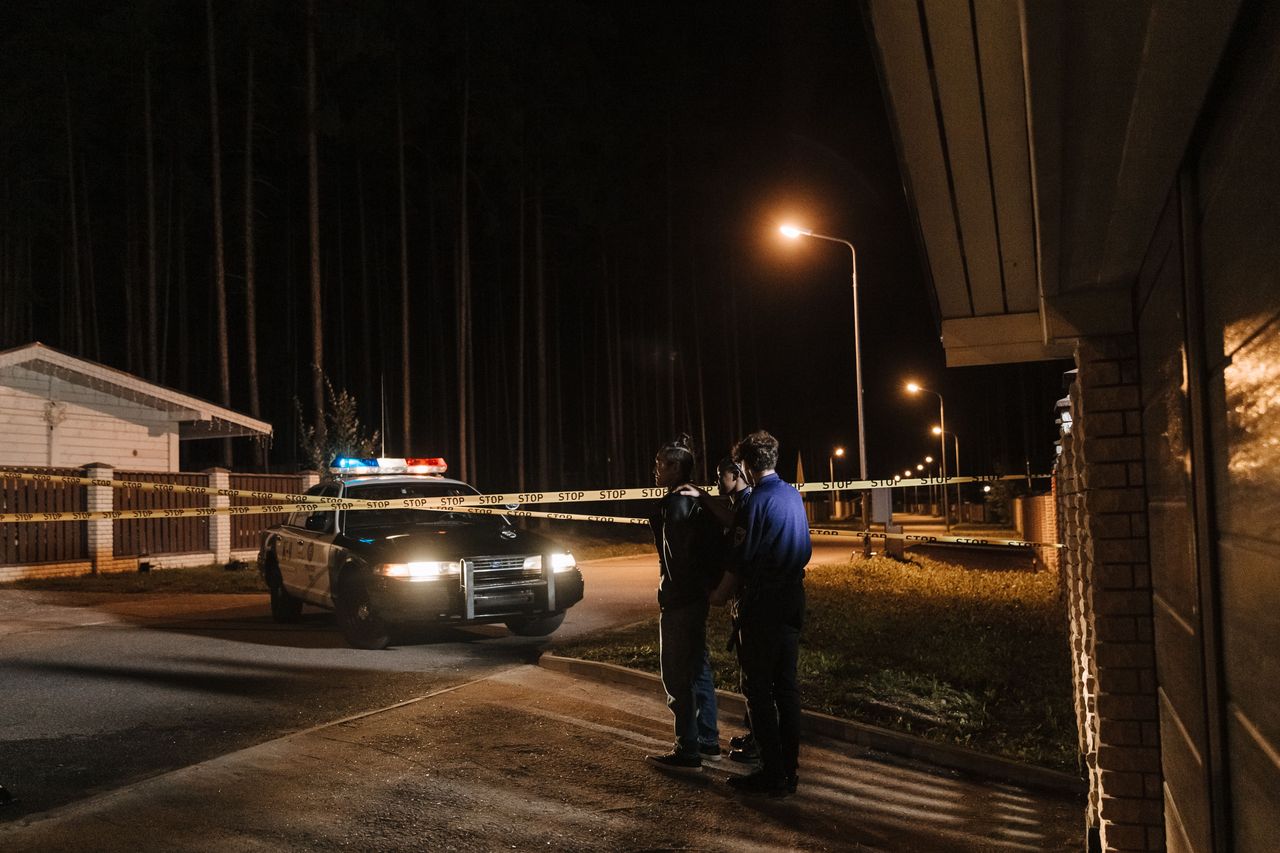
A Texas community is reeling after a burst of gunfire turned an ordinary morning into a mass-casualty emergency. In Midland, investigators are now piecing together how a wanted man allegedly opened fire, killed one person, and sent victims to the hospital before dying after a standoff.
What Happened in Midland
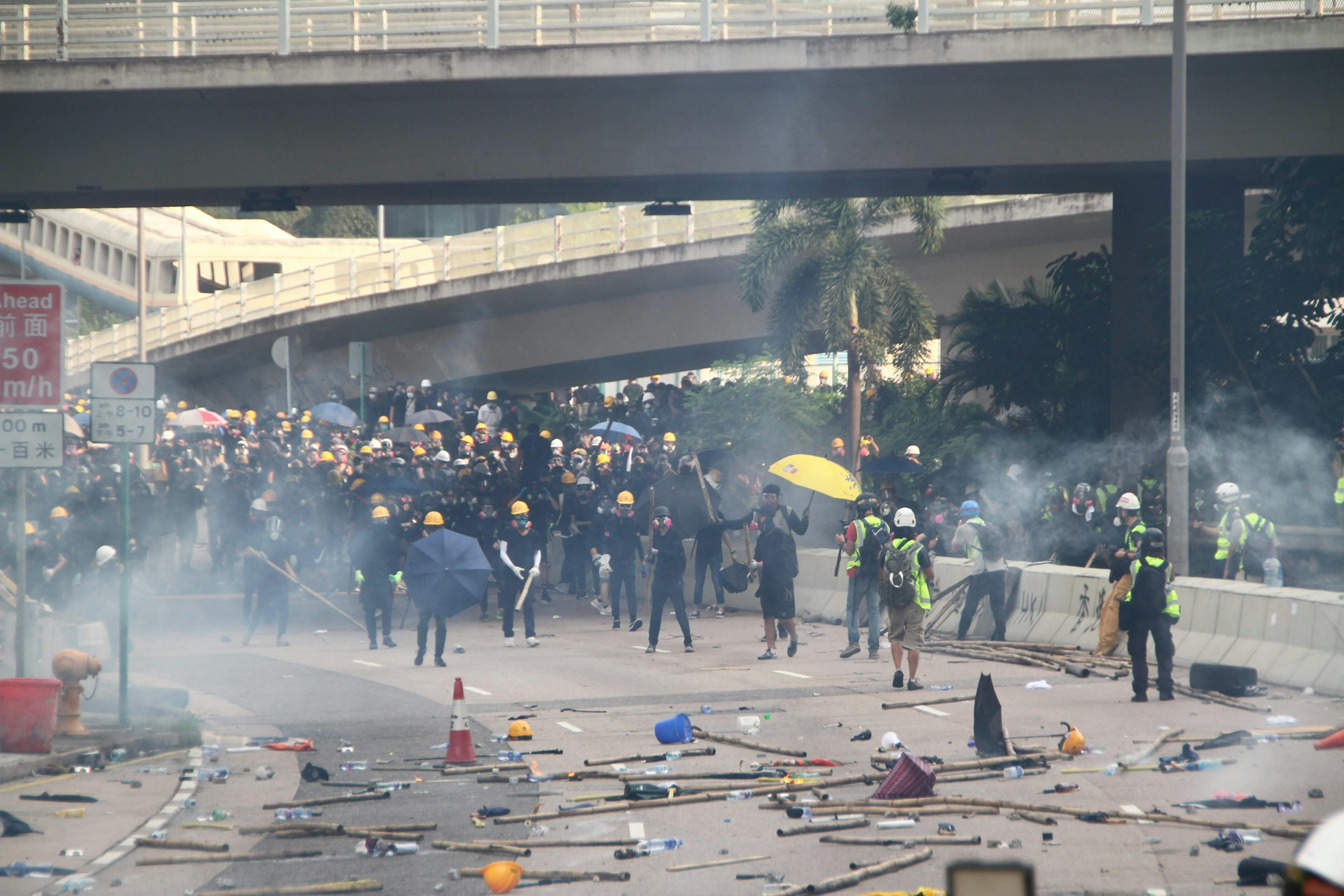
The shooting unfolded on the morning of June 12, 2026, in Midland, a city in West Texas better known for its oil industry than for mass-casualty violence. According to the Texas Department of Public Safety, officers responded at about 8:00 a.m. to reports of an active shooter in the 4600 block of West Wall Street. What began as a local emergency quickly escalated into a regional law enforcement response.
Officials said one victim was killed and 10 others were injured in the attack. Midland Memorial Hospital separately said it received nine patients from the shooting, a detail that shaped early headlines reporting that nine people had been hospitalized. Good Morning America reported that four of those patients underwent surgery while five were initially listed in stable condition.
The difference between the broader injury count and the hospital count appears to reflect the fact that not every injured person was taken to the same medical facility. That kind of discrepancy is common in fast-moving shooting investigations, when police, hospitals, and city leaders release information on slightly different timelines. Even so, the core facts were stark: at least one person was dead, multiple others were wounded, and Midland was facing one of its most shocking public safety crises in years.
The Suspect and the Police Response
Authorities identified the suspected gunman as 45-year-old Victor Mata Villarreal of Odessa. Texas DPS said he was already wanted for attempted capital murder of a peace officer after allegedly firing multiple shots at a Midland police officer during a vehicle pursuit on Wednesday, June 10. That detail immediately shifted the case from a random outbreak of violence to one involving an armed suspect already known to law enforcement.
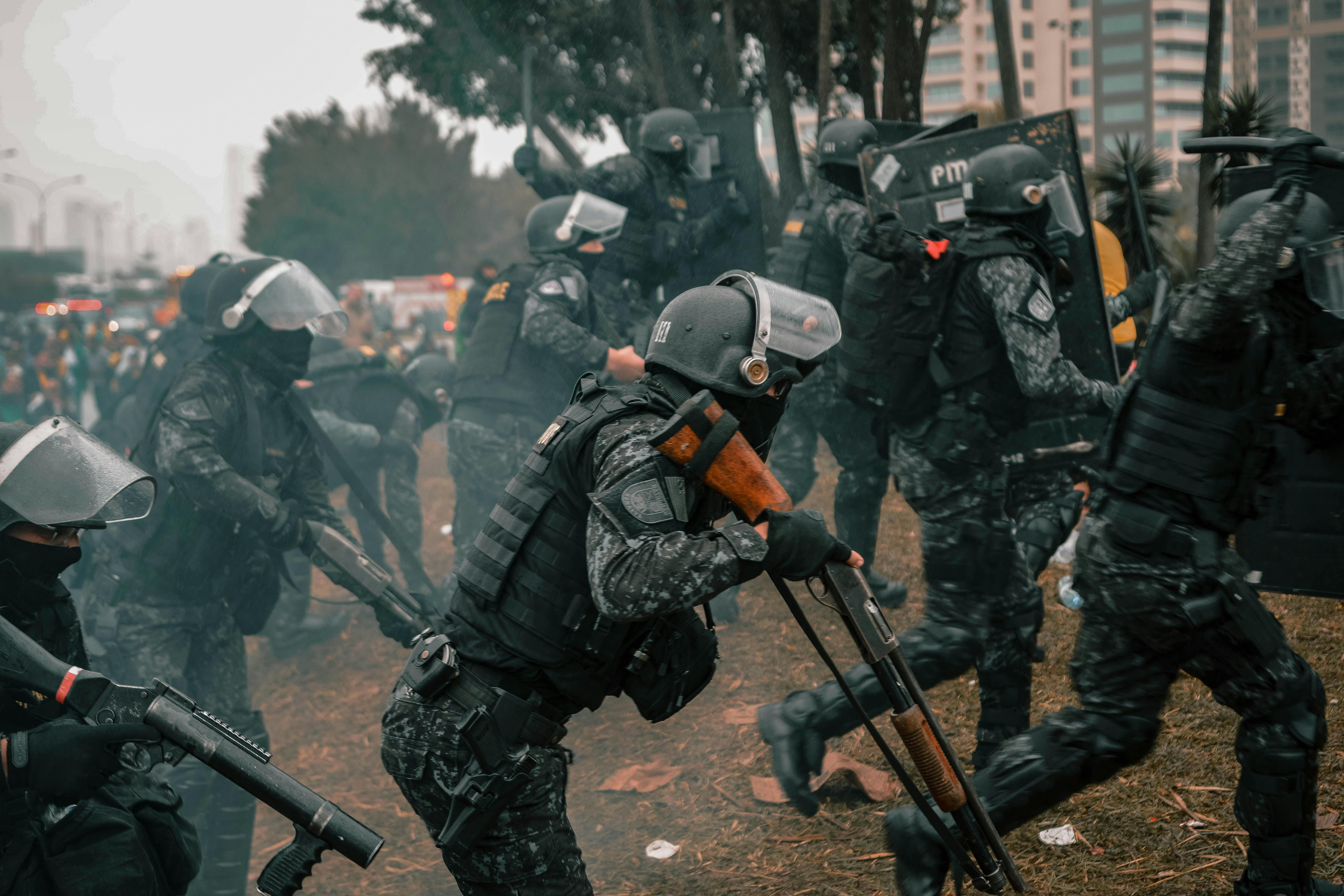
As the shooting spread fear across Midland, police and other agencies moved to contain the threat. Reports from local and national outlets described an extended standoff centered on an abandoned veterinary clinic, where the suspect barricaded himself after the attack. Officers exchanged gunfire at the scene, and residents were urged to avoid the area while the emergency remained active.
By Friday afternoon, officials said the suspect had been found dead after the standoff. That ended the immediate danger, but it did not answer the most important questions: how he remained free after the earlier confrontation with police, what triggered the public shooting spree, and whether warning signs were missed. Those questions are now likely to drive the criminal investigation and broader public scrutiny of the case.
The Human Toll on Victims and Families

The numbers alone do not capture what this kind of violence does to a community. Families were suddenly searching for loved ones, hospitals moved into emergency mode, and ordinary businesses became scenes of chaos. Midland Memorial Hospital urged the public to stay away unless they needed emergency care, underscoring how quickly the health system had to shift into crisis response.
For those taken to the hospital, the injuries were serious enough that several required surgery. Early reporting indicated that four patients underwent operations soon after arrival, while others were stabilized for treatment and observation. In any mass shooting, the first medical hours are crucial, and the ability of trauma teams to work quickly often determines whether the death toll rises.
The emotional injuries are harder to quantify but just as lasting. Witnesses described hearing heavy bursts of gunfire, while nearby workers and residents were forced to shelter, flee, or wait for police instructions. In the aftermath of public shootings, survivors frequently confront anxiety, sleep disruption, grief, and prolonged fear of ordinary public spaces. Midland now joins a long list of American communities that must process not only loss, but the destabilizing shock that follows sudden violence.
Why Early Reporting Often Changes

In the first hours after a mass shooting, details are almost always fluid. That was true in Midland, where some reports emphasized nine hospitalized victims while state officials later confirmed 10 injured overall, in addition to the person killed. These differences can confuse readers, but they usually reflect separate data streams rather than contradictory reporting.
Police agencies typically count confirmed casualties at the scene and across the investigation. Hospitals, by contrast, report only the patients they actually receive. News organizations then publish the best available information in real time, often while officials are still notifying families, securing multiple locations, and determining whether all injuries are directly tied to the event.
This is why responsible reporting matters. The strongest early accounts relied on named officials, hospital statements, and updates from Texas DPS rather than rumor circulating online. For the public, the lesson is straightforward: casualty counts in the first hours should be treated as provisional unless authorities say they are final. In Midland, the broad outline became clear quickly, but the precise numbers evolved as the emergency response stabilized and investigators sorted through the damage.
A Familiar Pattern in American Gun Violence

Although every shooting has its own circumstances, the Midland attack fits a grim national pattern. A suspect with alleged prior violent behavior, a rapid eruption in a public setting, multiple casualties in a short span, and a community left demanding answers are all features Americans have seen repeatedly. The geography changes, but the structure of the crisis often does not.
Texas has faced several high-profile mass shootings over the past decade, and each one has revived debate over firearms access, law enforcement coordination, mental health intervention, and public preparedness. Yet even after national attention fades, the burden of recovery falls mostly on local people: police officers, ER staff, clergy, school leaders, employers, and families trying to restore a sense of normalcy.
Experts in violence prevention often note that no single policy solves every case. But recurring incidents do expose familiar pressure points, including how quickly dangerous individuals are identified, how efficiently agencies share information, and how communities protect crowded public areas. Midland’s experience is likely to intensify those conversations in Texas once the immediate shock gives way to investigation and accountability.
What Comes Next for Midland
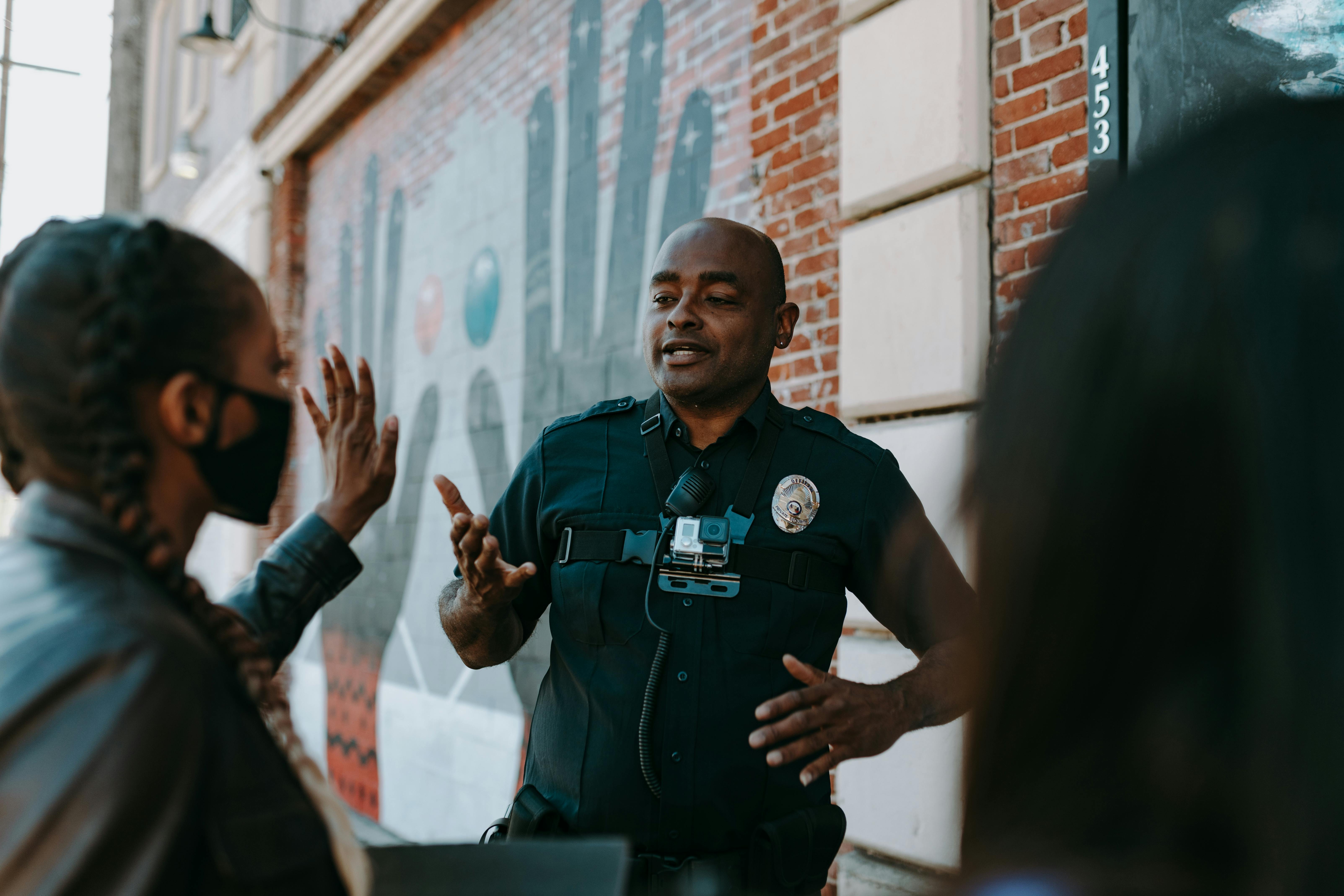
The next phase will center on confirmation, accountability, and recovery. Investigators still need to map the suspect’s movements, establish a fuller timeline, and determine whether he targeted specific individuals or fired more indiscriminately. They will also examine the earlier police pursuit and ask whether any intervention between June 10 and June 12 might have prevented the later bloodshed.
City leaders, meanwhile, face a different challenge: helping residents absorb what happened without allowing rumor and panic to fill the vacuum. Public briefings, victim support services, and transparent investigative updates will be crucial in the days ahead. In events like this, trust is built not through rhetoric but through credible facts delivered consistently.
For Midland, June 12, 2026, is now a date that will carry lasting weight. One person is dead, many others are wounded, and a city has been reminded how abruptly routine life can collapse into emergency. The shooting is over, but its consequences will extend far beyond the final police statement, shaping grieving families, injured survivors, and the public debate that always follows another American mass shooting.