

A breakthrough once dismissed as unlikely is now being priced into global markets. The clearest signal is coming from oil.
Why the diplomatic shift suddenly looks real
In mid-June 2026, the tone around US-Iran negotiations changed decisively. According to Reuters and the Associated Press, officials on both sides signaled that a draft framework to wind down the conflict and reopen the Strait of Hormuz could be finalized within days. That is a remarkable shift for talks that, until recently, seemed trapped between military escalation, sanctions pressure, and deep mistrust.
What makes this moment different is not warm rhetoric. It is the emergence of concrete terms. Reports indicate the outline includes Iranian commitments tied to its nuclear program, the reopening of the strait to normal oil traffic, and some form of US sanctions relief alongside access to frozen assets. Even cautious observers who have watched years of failed diplomacy recognize that this is more substantive than another vague promise to keep talking.
There is still room for the deal to unravel. Iranian officials have publicly tempered expectations, and US messaging has shifted quickly more than once during this crisis. But the fact that markets, diplomats, and allied governments are all reacting at once suggests this is no longer just speculative diplomacy. It is a live geopolitical event with immediate economic consequences.
Why oil traders reacted before any deal was signed

Oil markets do not wait for ceremonies, signatures, or triumphant press conferences. They respond to probability. As reports of a possible agreement gained traction, crude prices dropped sharply because traders immediately began pricing in a lower geopolitical risk premium. Reuters reported that oil fell more than 3% on June 12, with West Texas Intermediate around $84.57 and Brent also sliding to near two-month lows.
That move reflects two expectations. First, a deal could reduce the risk of further attacks on energy infrastructure and shipping in the Gulf. Second, it could eventually allow more crude to reach world markets, whether through direct Iranian exports or through the broader normalization of flows through Hormuz.
The speed of the reaction also shows how distorted oil pricing had become during the crisis. The International Energy Agency said in its May 2026 market report that benchmark prices had swung violently, with North Sea Dated crude falling from a peak near $144 a barrel to below $100 on shifting headlines. In other words, the market had attached a very high premium to disruption, and even the hint of a diplomatic off-ramp was enough to deflate part of it.
The Strait of Hormuz is the real center of gravity

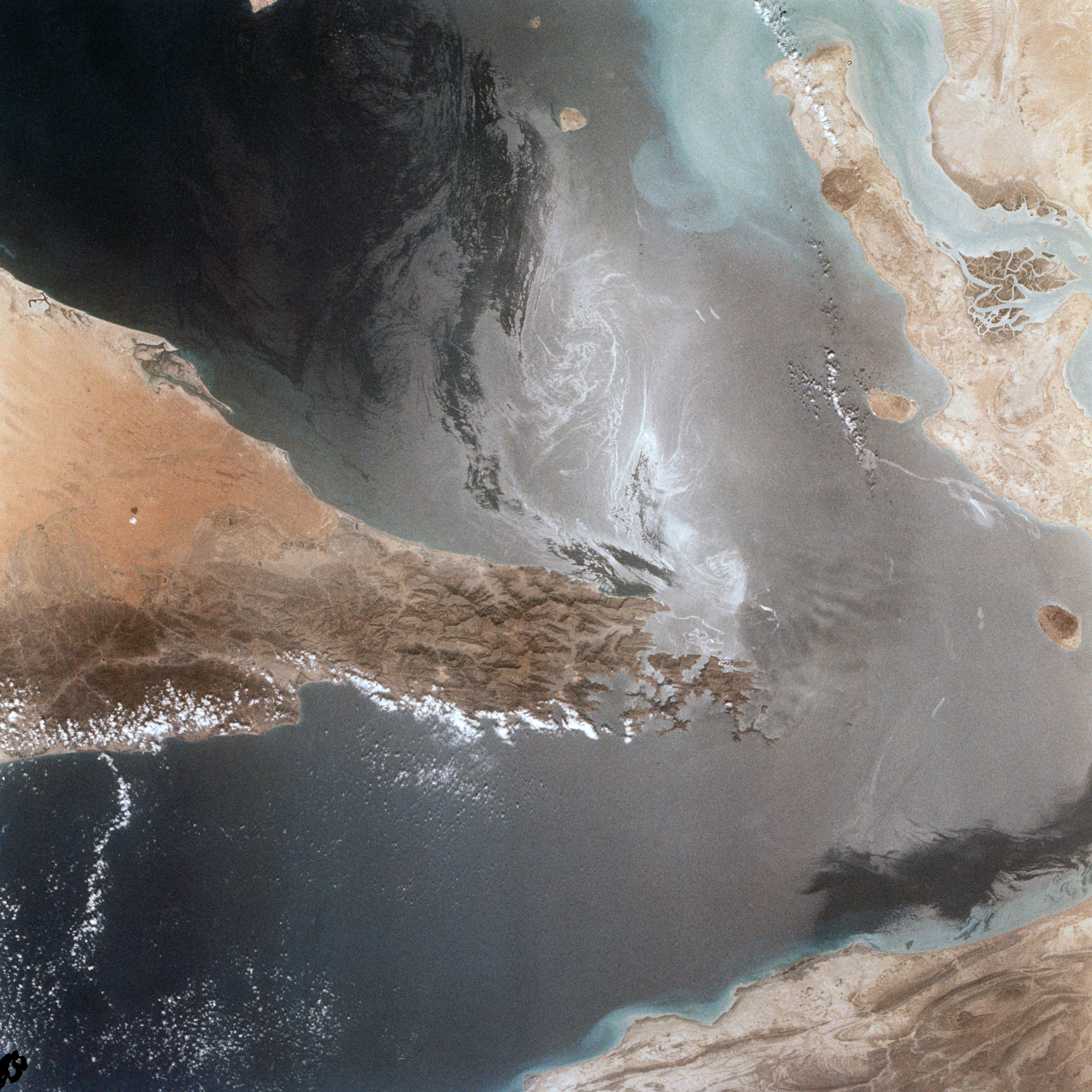
The heart of this story is not only Iran’s sanctioned oil. It is the Strait of Hormuz, one of the most important chokepoints in the global energy system. Roughly a fifth of global oil and liquefied natural gas supplies move through or near that corridor, according to multiple market reports and official energy analyses. When traffic there is threatened, the impact spreads far beyond the Gulf.
That is why even countries with little direct involvement in the negotiations are watching closely. A disruption in Hormuz affects tanker rates, refinery margins, shipping insurance, fuel costs, and consumer inflation. The Associated Press has noted that reduced traffic through the strait has already squeezed global energy supplies and pushed up prices for fuel and other essentials.
Reopening the passage would not instantly restore normality. Physical supply chains take time to recover, vessels must be rerouted, and buyers remain wary after a period of conflict. But if the strait becomes reliably passable again, the psychological effect alone would be powerful. Markets would begin treating the Gulf less like an active war zone and more like a manageable risk, which changes pricing across the entire energy complex.
A deal would matter even if Iranian supply returns slowly

One common misunderstanding is that oil should only fall if Iranian barrels return immediately in large volume. In reality, markets also respond to expected future supply. S&P Global, citing Goldman Sachs, reported earlier this year that sanctions removal could gradually lift Iranian crude production by about 500,000 barrels per day while also drawing down large volumes held at sea. That is not an overnight flood, but it is enough to alter expectations.
The IEA has also stressed that supply recovery would likely lag behind a political breakthrough. Its May report suggested that even if flows through Hormuz begin to normalize in the third quarter of 2026, production and exports across the region would take longer to recover. That means the first effect of a deal is confidence, while the second effect is physical supply.
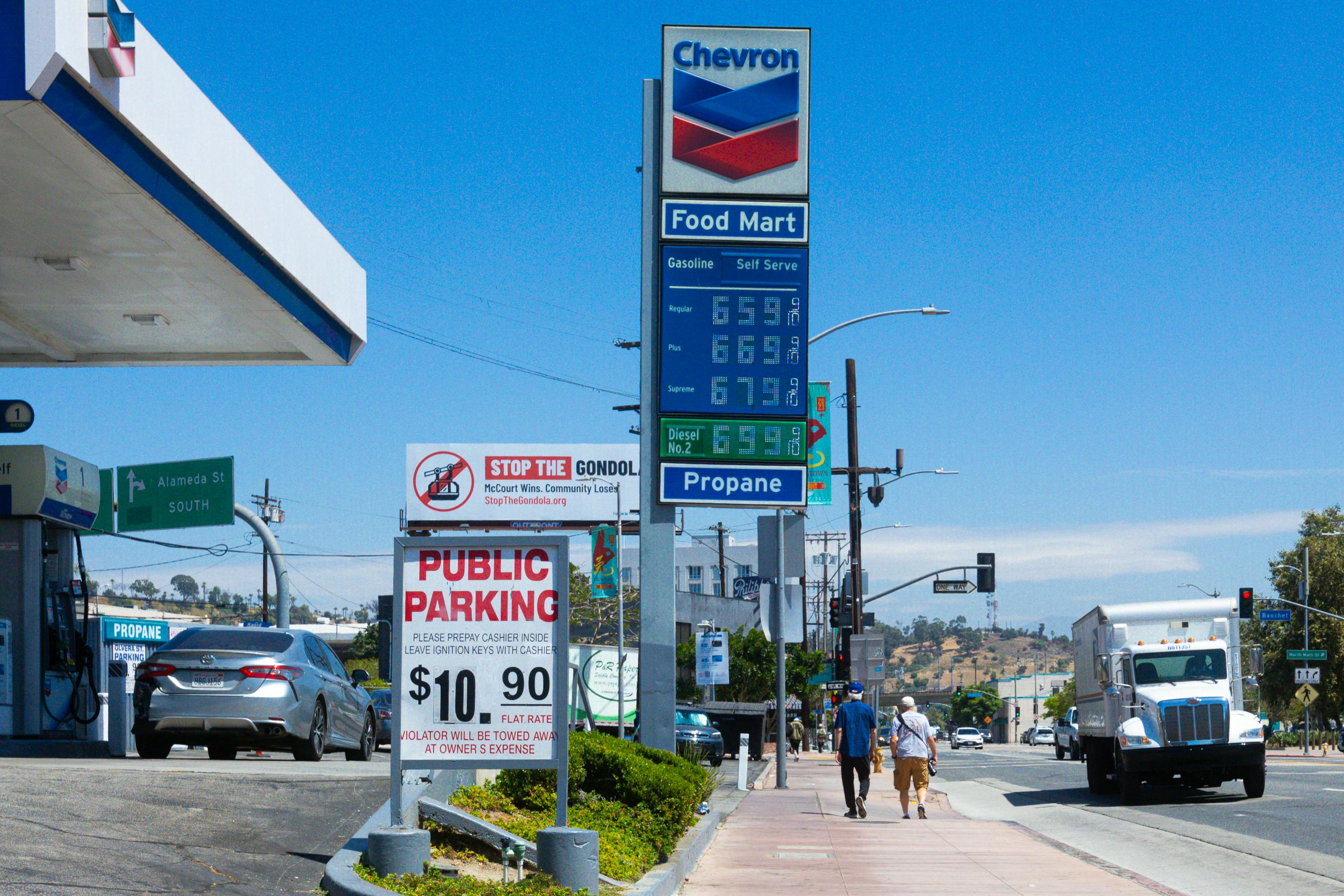
This distinction matters for consumers. Gasoline prices may ease if crude stays lower, but not all at once. Analysts quoted by Axios and Reuters have argued that inventories are still tight and that a meaningful amount of shipping must resume before retail fuel prices fully reflect the diplomatic shift. So the market is reacting to a future pathway, not a completed reset.
What Washington and Tehran each appear to want

For Washington, the strategic appeal of a deal is straightforward. It could reduce the risk of a wider regional war, lower energy prices, ease inflation pressure, and produce a foreign policy win without committing to a long military campaign. In a year shaped by economic sensitivity and voter attention to fuel prices, that matters enormously.
For Tehran, the incentives are at least as strong. Reuters and AP reporting has emphasized the importance of sanctions relief, access to frozen assets, and an end to measures that have throttled exports and strained the domestic economy. Iran has been balancing military leverage with severe economic stress, including inflation, currency weakness, and falling living standards.
That does not mean the two sides suddenly trust each other. It means both may see a limited deal as better than the alternatives. The likely result, if one is signed, may be a narrow, transactional arrangement rather than a grand reconciliation. But markets do not require friendship. They only require enough stability to believe that barrels will move, tankers will sail, and escalation will pause.
What happens next for oil, inflation, and global markets
The next phase depends on whether this apparent breakthrough becomes an actual signed agreement. If it does, oil could remain under downward pressure as traders strip out more war premium and begin modeling a gradual return of Gulf supply. Recent market action already points in that direction: AP reported a strong rally in US stocks on hopes that crude would flow more freely again, while oil prices fell.
Still, investors should not confuse relief with resolution. Reuters has noted that even optimistic traders understand the underlying supply shortfall does not disappear overnight. Spare capacity, inventories, insurance conditions, and export logistics all matter. A deal could calm markets quickly while leaving the physical system tight for months.
That is why this story is so consequential. It sits at the intersection of diplomacy, inflation, consumer costs, and global growth. If Washington and Tehran really are closer to a deal than anyone expected, the oil market’s reaction is rational. Traders are not celebrating peace in the abstract. They are repricing the world for the possibility that one of its most dangerous energy chokepoints may finally start reopening.