

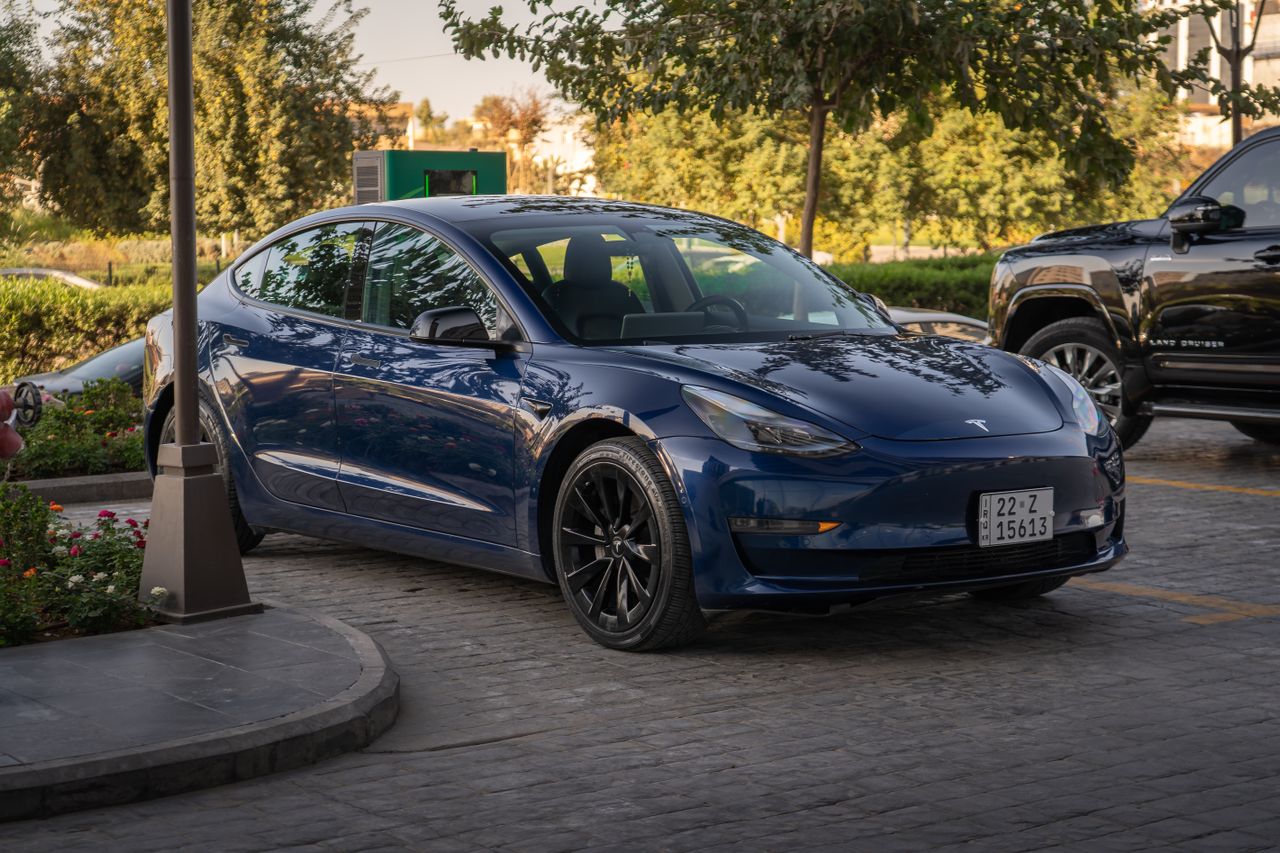
Tesla’s driver-assistance technology is again under federal scrutiny as regulators examine another fatal crash involving a vehicle reported to have been using an automated system. In Katy, Texas, authorities said a Tesla Model 3 slammed into a home on June 19 and killed a 76-year-old woman who was inside.
Federal probe follows fatal Tesla crash in Katy
The National Highway Traffic Safety Administration opened a special investigation on June 22 after the Tesla crash near Houston, according to the agency and reporting from the Associated Press. Harris County authorities said the driver, identified by ABC News as Michael Butler, reported that an automated driving assistance system was engaged when the vehicle left the roadway and struck the home.
Investigators said the Tesla entered the brick residence at a high rate of speed and struck Martha Avila, 76, inside the house. ABC News reported the crash happened around 8 p.m. local time in Katy on Friday, June 19, and that Avila was airlifted to a hospital, where she was later pronounced dead.
The federal review adds this case to a long list of Tesla crash investigations tied to advanced driver-assistance systems. Reuters reported NHTSA has opened nearly 50 special crash investigations involving Teslas since 2016 when such systems were suspected of being in use, with about two dozen deaths reported across those cases.
In Texas, the confirmed facts remain narrow and largely come from law enforcement. The Harris County Sheriff’s Office said the driver allegedly failed to stay in a single lane, left the roadway and crashed into the residence in the Katy area, according to ABC News. Authorities also said the driver was injured, showed no signs of intoxication and was cooperating with investigators.
What has not been publicly established is whether Tesla’s software caused or contributed to the crash. The sheriff’s office said the driver reported the use of an automated driving assistance system, but investigators have not released a final finding on whether that system was active in the moments before impact or how it responded.
No charges had been announced as of the weekend, according to ABC News, and the investigation remained ongoing. Public agencies have also not released a full technical reconstruction, a vehicle data download or a comprehensive timeline showing steering, braking and accelerator inputs before the crash.,
Tesla has pushed back against the early description of the crash as an Autopilot failure. According to the Associated Press and Reuters, Ashok Elluswamy, the company’s head of self-driving efforts, said on X that the driver manually overrode the system by fully pressing the accelerator, adding that the car reached 73 mph and that the accelerator remained pressed after impact.
That response fits a broader pattern in Tesla safety debates, where early witness or driver accounts are later compared against vehicle data and federal findings. Reuters reported that NHTSA in 2023 recalled about 2 million Tesla vehicles in the United States to strengthen safeguards meant to ensure drivers remain attentive while using Autopilot. Reuters also reported that, in March 2026, NHTSA escalated a separate probe into 3.2 million Tesla vehicles equipped with Full Self-Driving over concerns about performance in poor visibility.
For Texas residents, the immediate takeaway is that the Katy crash remains an active local and federal investigation, not a closed finding on fault. What happens next will likely depend on crash-data analysis, law-enforcement findings and NHTSA’s review of whether any automated-driving feature was engaged and, if so, how it performed before the fatal impact.