

National fights over voting rules and presidential power are intensifying ahead of the 2026 midterm elections. That conflict sharpened on March 31, 2026, when President Donald Trump advanced a new citizenship-verification plan for federal elections and Democrats moved quickly to oppose it.
Trump’s order put citizenship checks at the center of a new election fight
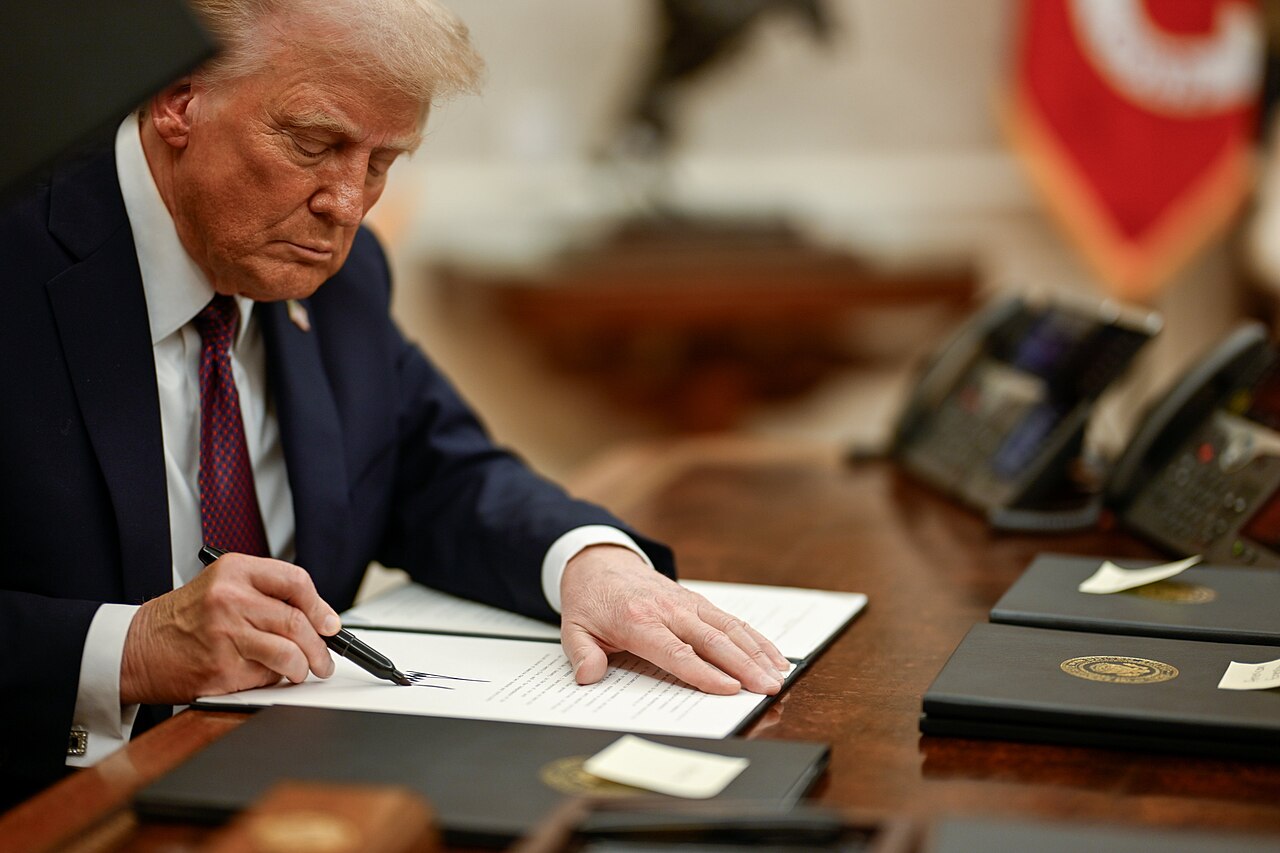
President Donald Trump signed a March 31 executive order that the White House said would require stronger citizenship verification in federal elections and direct federal agencies to help states confirm who is eligible to vote. The White House said the order called for the use of federal data, including Social Security and Homeland Security records, to support voter eligibility checks and the creation of state citizenship lists.
The order landed as a broader Republican push was already underway in Congress. According to AP, House Republicans had passed the SAVE America Act in February 2026, a bill that would require proof of U.S. citizenship when registering to vote and photo identification to cast a ballot in federal elections, though the measure faced steep odds in the Senate.
Democrats responded almost immediately. AP and ABC News reported that Senate Minority Leader Chuck Schumer, House Minority Leader Hakeem Jeffries, the Democratic National Committee and allied party committees sued to block the order, arguing that the Constitution gives election administration powers to states and Congress, not the president.
The current dispute is centered in Washington, where the White House, congressional leaders and federal courts are shaping what happens next. On June 24, AP reported that Trump was heading to the Capitol to press Senate Republicans on his proof-of-citizenship voting bill, even as some GOP senators had grown frustrated that the measure did not have the votes to pass.
What is confirmed is that Democrats are using both litigation and congressional opposition to resist the policy. House Judiciary Committee Democrats said in a February 24 amicus brief filing that Trump’s separate effort to restrict birthright citizenship also violated the Constitution, showing that Democrats are contesting Trump’s citizenship policies on multiple legal fronts.
What is not yet known is how much of the March 31 election order will ultimately survive in court or whether the Senate will ever pass the legislation Trump has championed. Prior court rulings, including a federal judge’s 2025 decision blocking a documentary proof-of-citizenship change to the federal voter registration form, suggest major legal questions remain unresolved.
The White House has framed the order as an election-integrity measure, saying only U.S. citizens should vote in federal elections and that federal databases can help states verify eligibility. Trump has also continued pressing Congress to codify stricter rules through the SAVE America Act after earlier efforts stalled.
Democrats and election-law critics have framed the same move very differently. AP reported in February that Democrats warned the House-passed legislation could disenfranchise millions of Americans by making registration and voting harder, especially for people who may not readily have a passport or birth certificate available.
For residents, the immediate practical effect is uncertainty rather than an instant rule change. Courts are still weighing the legality of Trump’s election-related orders, the Senate has not approved the citizenship bill Trump wants, and states still run their own election systems under existing law. That means voters should expect continued legal and political fights over registration requirements and mail voting, with any nationwide change likely to depend on court rulings or action by Congress.