

Powerful earthquakes have caused repeated mass-casualty disasters across Latin America, where dense urban construction and aging infrastructure can sharply increase the human toll. In Venezuela, that risk became reality on June 24, 2026, when two major earthquakes struck within seconds of each other and left widespread damage from Caracas to the country’s coast.
At least 164 killed after back-to-back quakes hit on June 24
At least 164 people were killed and 971 injured after two earthquakes struck Venezuela late Wednesday, according to The Associated Press, which cited Acting President Delcy Rodríguez in an updated briefing Thursday. The first quake measured magnitude 7.2 and was followed 39 seconds later by a magnitude 7.5 event, according to the U.S. Geological Survey.
USGS listings placed the first earthquake near San Felipe and the second near Yumare, both in north-central Venezuela. The agency’s earthquake tracking data showed the larger event at a depth of about 10 kilometers, a shallow quake that can produce stronger surface shaking. USGS also issued a red alert for estimated fatalities and economic losses, indicating the potential for high casualties and extensive damage.
Early official figures were lower. Rodríguez said Wednesday night that at least 32 people had died, but AP reported Thursday that the death toll had risen sharply as rescue crews reached collapsed structures and hospitals counted additional victims. The quakes were among the strongest to hit Venezuela in more than a century, AP reported.
National authorities declared a state of emergency after the shaking, and emergency crews were deployed to damaged neighborhoods. State television footage and wire-service images showed rescuers pulling survivors from debris, while officials warned that the toll could continue to change as searches moved forward.
The confirmed damage was concentrated in Caracas and nearby coastal areas, though officials said several states were affected. Rodríguez said Venezuela’s main airport, Simón Bolívar International Airport in Maiquetía, was damaged badly enough to close, while metro and rail service in the capital were also suspended, according to AP and ABC News.
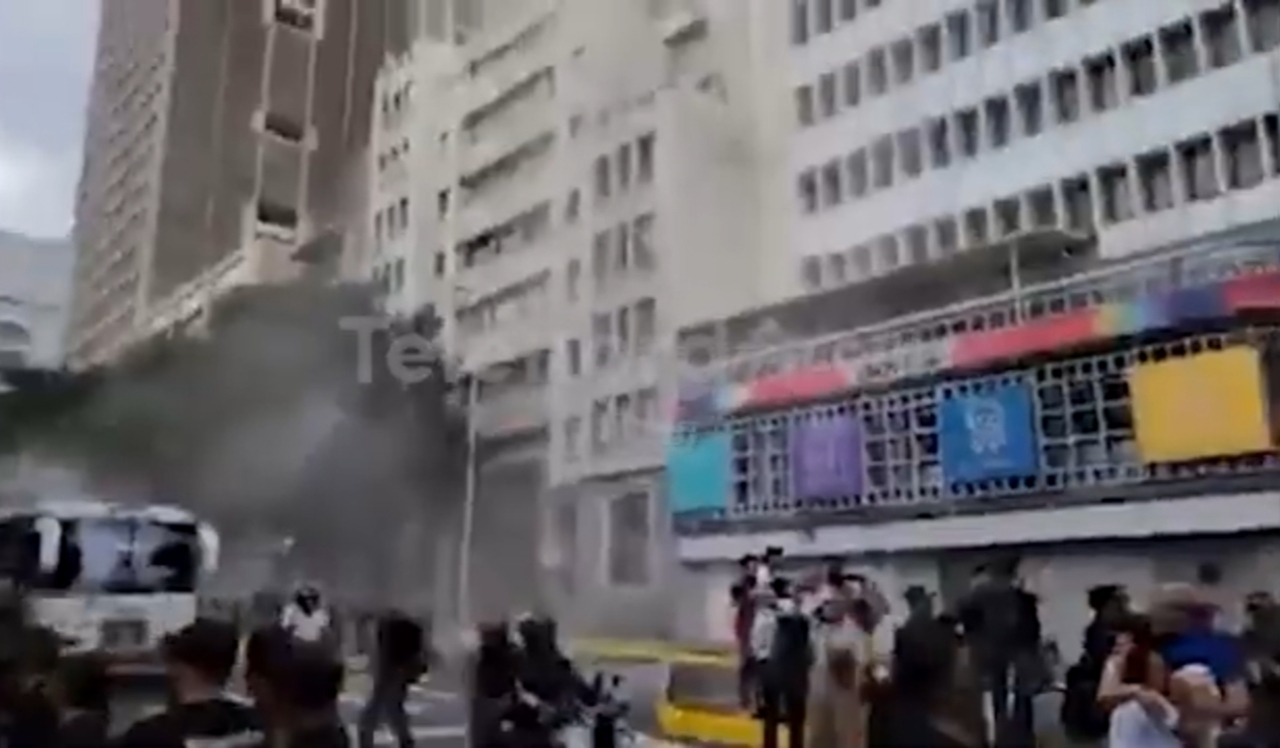
In Caracas, images distributed by Reuters, AP and AFP showed collapsed facades, crushed vehicles and residents gathered in streets after evacuating buildings. Authorities said crews responded to building collapses in neighborhoods including Altamira and Palos Grandes, according to ABC News. AP later reported that La Guaira state was described by Rodríguez as a disaster zone and the hardest-hit area.
What remains unclear is the full statewide and national breakdown of deaths, injuries and structural losses. Authorities had not released a comprehensive list of destroyed buildings, damaged homes or affected municipalities by Thursday morning. They also had not published a final count of how many people remained missing.
The shaking was felt far beyond Venezuela. AP reported evacuations in parts of Brazil’s Amazon region, roughly 1,700 kilometers from Caracas, showing the unusual reach of the event. That regional impact added urgency to assessments of transport networks, hospitals and emergency logistics inside Venezuela.
The scale of the disaster was driven in part by the sequence and strength of the two earthquakes. USGS identified the first 7.2 event as a foreshock and the 7.5 quake as the mainshock, with the two occurring less than a minute apart. That pattern can intensify damage because structures weakened by the first shock may fail during the second.
Rodríguez said at least 20 aftershocks were reported in the hours after the main shaking, complicating rescue work and keeping residents out of buildings. A tsunami advisory was briefly issued for coastlines within 300 kilometers of the epicenter before later expiring, according to ABC News, adding to concern in coastal communities already dealing with infrastructure damage.
International assistance began moving quickly. ABC News reported that the U.S. State Department was mobilizing help, and Deputy Secretary of State Chris Landau said the United States was in touch with authorities and preparing assistance. Jeremy Lewin, the department’s under secretary for foreign assistance, said a disaster team and task force had been activated to coordinate search-and-rescue, medical and humanitarian support.
For residents, the immediate picture is practical and unsettled: transport interruptions, ongoing rescue operations, building inspections and a death toll that may still rise. Officials have confirmed airport and transit disruptions and have warned of continued aftershocks, while emergency crews continue searching damaged sites and assessing the broader impact across Venezuela.