

A bipartisan push to address high housing costs collided this week with a broader fight in Washington over election rules and presidential leverage. On June 24, President Donald Trump abruptly canceled a scheduled signing event for a major housing bill and said he would not move forward until Congress passes the SAVE America Act.
Trump canceled the housing bill signing and tied it to the SAVE America Act
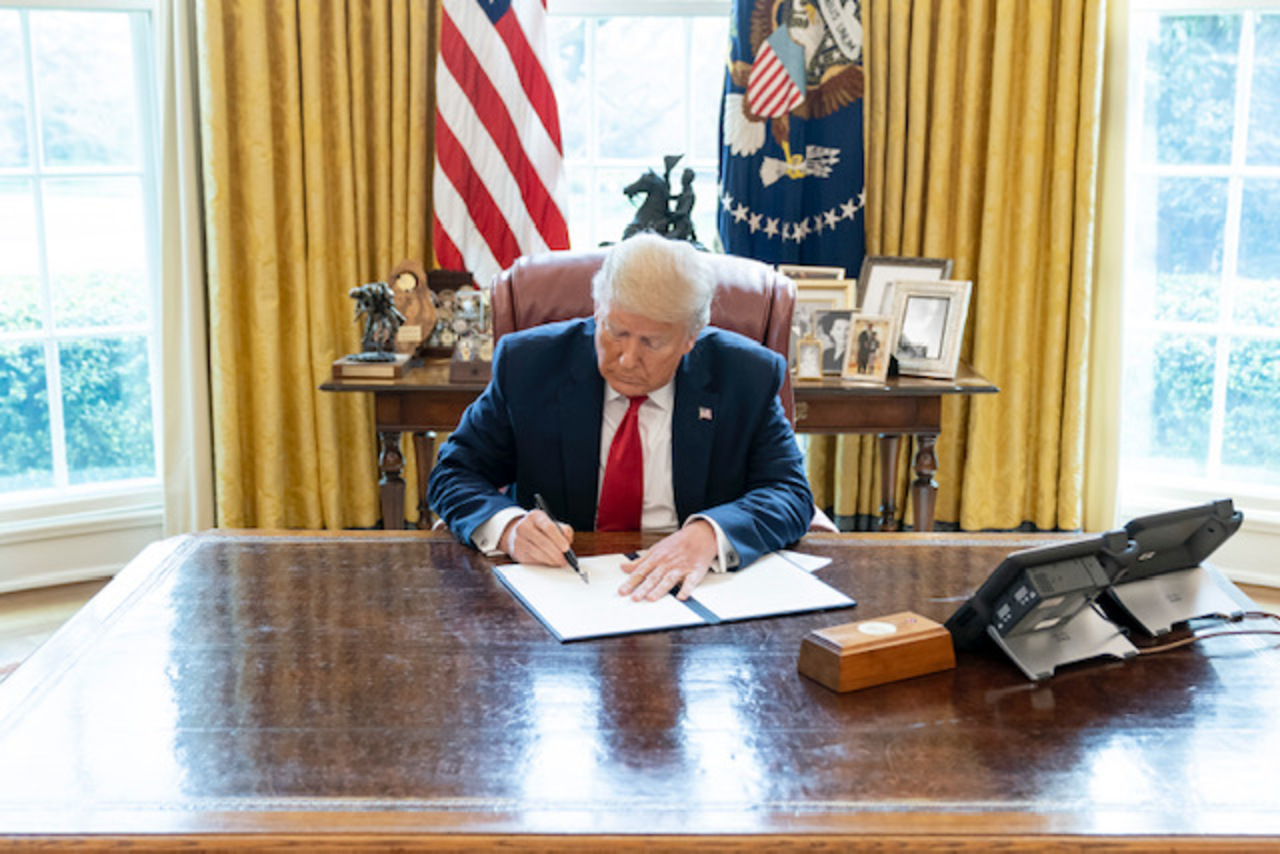
President Trump said on June 24 that the White House was canceling a planned housing bill signing ceremony, according to reporting from Axios, CBS News and Reuters. In a Truth Social post cited by those outlets, Trump said the event was canceled until Congress passes the “SAVE AMERICA ACT,” which he said he considers a “National Emergency.” The action delayed a public rollout for legislation that had drawn broad bipartisan support in Congress.
The housing measure had been promoted as a significant affordability package aimed at increasing supply and lowering costs. The Associated Press reported that the Senate passed the bill 85-5 earlier in the week, underscoring the scale of support behind it. House Republican leaders had also been preparing to highlight the bill’s provisions when Trump reversed course.
Reuters reported that House Speaker Mike Johnson said after speaking with Trump that he still expected the president to sign the housing bill within 10 days. Under the Constitution, as Axios noted, legislation can still become law if a president takes no action within 10 days while Congress remains in session. As of late June 24, Trump had canceled the ceremony, but the final path for the bill had not been fully resolved.
The immediate decision was made in Washington, but the policy stakes extend nationally because housing affordability pressures are affecting renters, homebuyers and local governments across the country. The bill Trump paused was designed to address broad supply and cost issues rather than a single state program, according to AP’s description of the legislation. That means any delay carries implications for states and metro areas where inventory shortages and rising prices remain central concerns.
What is confirmed is that the signing ceremony was called off on June 24 and that Trump publicly linked the housing bill to the SAVE America Act. What is not yet known is whether any implementation timeline for housing-related provisions will shift materially, because the administration had not released a state-by-state breakdown of impacts as of Wednesday. There also was no comprehensive public list of which local housing programs or market segments would see the earliest effect if enactment is delayed.
For residents, the practical takeaway is that no immediate new federal housing changes tied to this bill were put into effect on June 24 through a presidential signing event. State and local housing markets will continue to operate under existing rules unless and until the measure is signed or otherwise becomes law. For now, the uncertainty is procedural and political, but it directly affects the timing of a bill intended to address nationwide affordability strains.
Trump’s decision fits into a wider pressure campaign around the SAVE America Act, a voting bill he has been pushing for months. Axios reported earlier in June that Trump had already tied other congressional priorities to the same measure, including surveillance legislation, showing a pattern of using unrelated bills as leverage. On June 24, that strategy reached housing policy, a rare area where lawmakers from both parties had recently found common ground.
CBS News reported that GOP leaders have repeatedly emphasized the SAVE America Act faces steep obstacles in the Senate. That made Trump’s intervention especially notable because it attached a bipartisan housing package to a measure that does not currently appear to have an easy path forward. The result was a same-day disruption of what had been planned as a legislative victory event.
For residents and housing advocates, the next step is straightforward but unresolved: the bill’s fate now depends on whether Trump signs it, allows it to become law without his signature, or escalates the standoff further. Johnson said he expects a signature within 10 days, according to Reuters, but as of June 24 the White House had shifted the focus from housing supply and affordability to a broader political fight over election legislation.