

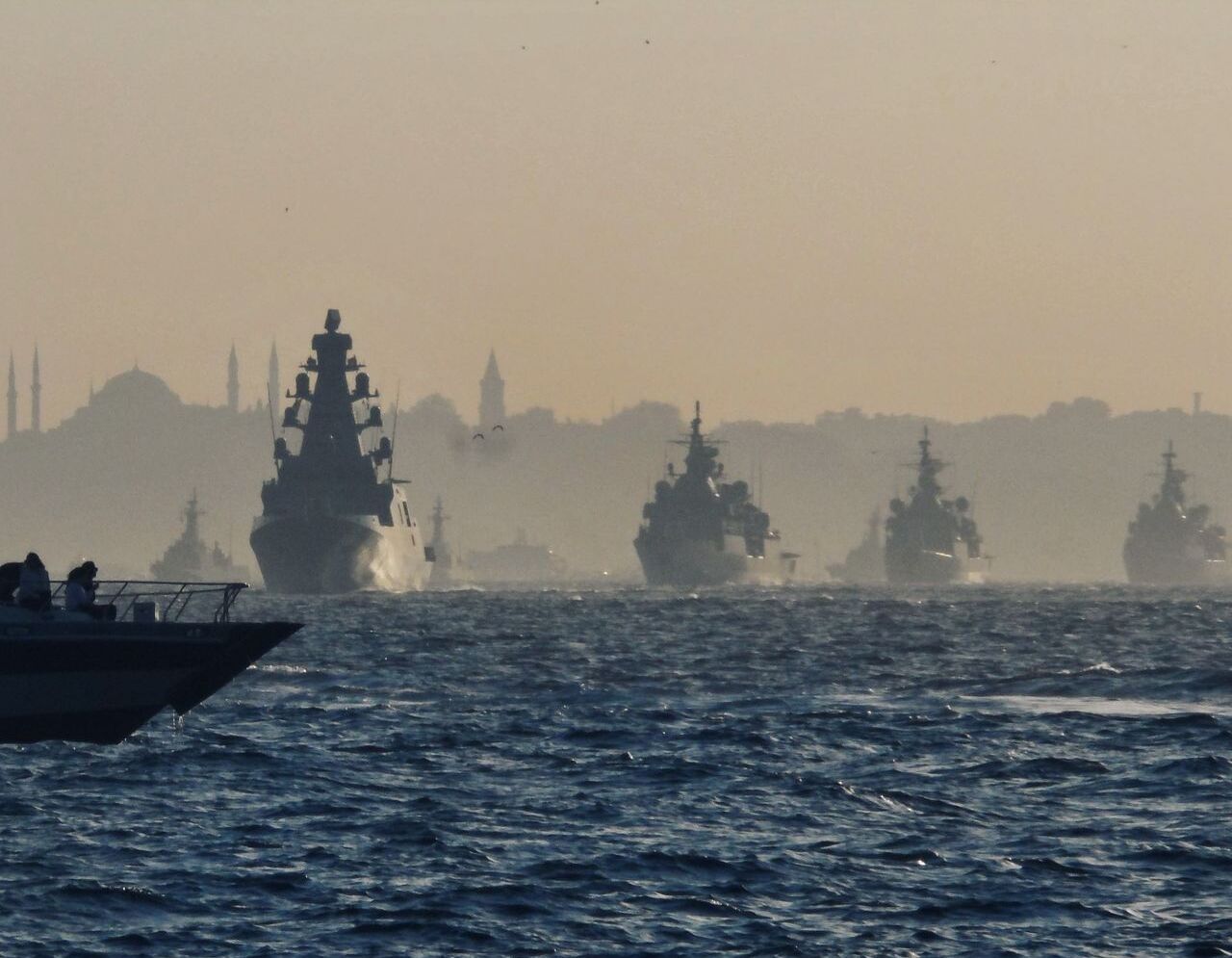
The U.S.-Iran conflict widened again Friday as Washington responded militarily to a fresh attack on commercial shipping in the Strait of Hormuz, a chokepoint for global energy and trade. The immediate trigger was a drone strike on a cargo ship a day earlier, an incident U.S. officials said prompted retaliatory action against Iranian targets.
U.S. military says strikes answered ship attack
The United States struck targets in Iran on Friday, June 26, in response to a drone attack the previous day on a cargo ship in the Strait of Hormuz, according to the Associated Press. AP reported that U.S. officials described the action as a direct response to what they said was an Iranian-linked attack on commercial shipping in the narrow waterway between the Persian Gulf and the Gulf of Oman. The latest exchange added to a months-long cycle of military action tied to maritime security and regional escalation.
The Pentagon had not publicly released a full damage assessment at the time of initial reporting, and the number of sites hit was not immediately clear in early accounts. AP reported that the strike followed the cargo ship attack by roughly a day, underscoring how quickly the confrontation moved from a shipping incident to a direct U.S. military response. Officials also had not publicly identified all of the Iranian facilities involved in the operation in the first wave of reporting.
The Strait of Hormuz remains one of the world’s most strategically important sea lanes, and even limited attacks there can affect insurance costs, shipping schedules and oil markets. Earlier reporting from AP said 78 vessels passed through the strait on Wednesday, a level above some recent wartime traffic but still below prewar norms of 130 or more vessels a day. That context helps explain why the U.S. response centered on freedom of navigation as well as deterrence.
For U.S. readers, the most immediate impact is likely to be indirect: energy prices, cargo routing, shipping delays and military posture in the Gulf. The attack itself occurred near Oman in or around the Strait of Hormuz, not in a U.S. state, and federal officials had not reported casualties on U.S. soil. What remains unknown is whether the latest exchange will lead to a sustained disruption in shipping traffic or a broader rise in transportation and fuel costs.
AP reported earlier this week that a United Nations-linked maritime effort paused some ship evacuations through the strait after a vessel was struck by a projectile off Oman’s coast. That report also said shipping concerns had already intensified after several tankers used a U.N.-backed route through the area. In practical terms, any pause, rerouting or security review in the strait can ripple outward to ports, refiners and freight systems far beyond the Middle East.
The U.S. military has already increased its operational focus on the corridor in prior weeks. U.S. Central Command said in a May 7 release that American forces intercepted Iranian attacks during a warship transit in the Strait of Hormuz and then carried out self-defense strikes on missile, drone and command sites. That history suggests commercial and naval traffic in the region has been under sustained pressure, even before the latest cargo ship attack.
The latest U.S. strike grew out of a broader fight over who controls access and security in the Strait of Hormuz. U.S. Central Command announced in May that it was supporting what it called Project Freedom, an effort to restore freedom of navigation for commercial shipping through the strait. In an April 12 release, CENTCOM also said it would not impede transit for vessels moving to and from non-Iranian ports, while enforcing blockade measures tied to the wider conflict.
AP’s recent reporting shows traffic through the strait had recovered somewhat after an interim U.S.-Iran framework and ceasefire arrangements, but uncertainty remained high. AP reported that shipping analysts and insurers continued to describe the route as tense, with concerns about tolls, inspections, attacks and military restrictions. That combination has left commercial operators balancing economic pressure to move cargo against the risks of renewed confrontation.
For residents and businesses in the United States, the practical takeaway is that the June 26 strikes raise the risk of more instability in a corridor critical to global trade. Federal officials had not, at the time of the initial reports, outlined any immediate domestic restrictions or direct impacts for U.S. consumers. What comes next will likely depend on whether shipping continues to move at recent levels and whether U.S. or Iranian officials announce additional military steps in the days ahead.