

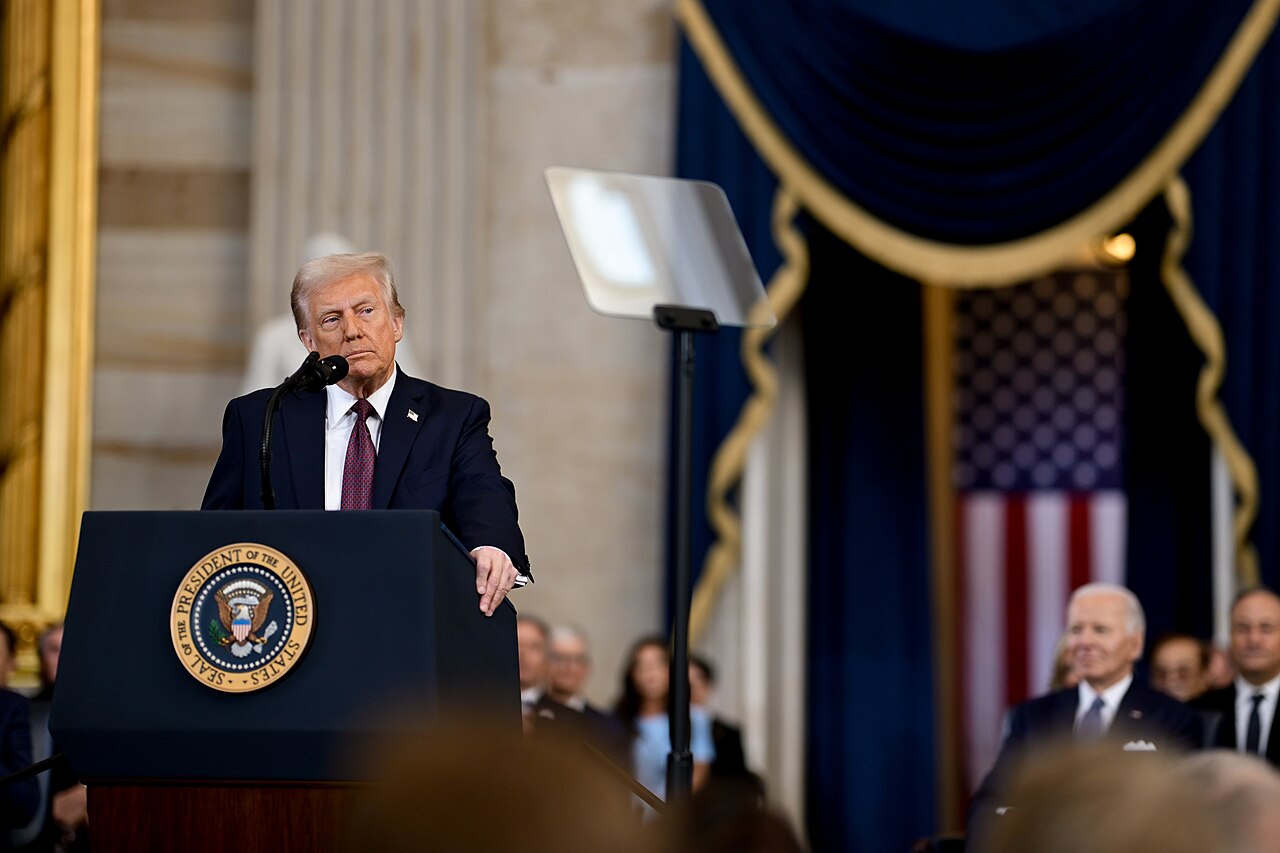
As national Republicans sharpen their attacks on the Democratic Party’s left flank ahead of the 2026 midterm cycle, President Donald Trump is increasingly tying that argument to policy fights in major cities. On June 26 in Washington, Trump used remarks to the Faith & Freedom Coalition to say Democratic socialist gains, especially in New York City, could accelerate urban decline.
Trump ties Democratic primary wins to a broader warning
Trump made the remarks Friday, June 26, at the Faith & Freedom Coalition conference, where he criticized what he described as a socialist surge inside the Democratic Party, according to Fox News and coverage from the event by the Associated Press. He pointed to this week’s Democratic primary results in New York, where several left-backed candidates defeated establishment rivals, as evidence that the party’s direction is shifting. Axios reported that Brad Lander, one of the candidates backed by Mayor Zohran Mamdani, won a key congressional primary on June 23.
In the same speech, Trump said recent political gains by socialist-aligned Democrats represented a threat to the country’s founding principles as the United States approaches its 250th anniversary in 2026. He also singled out New York City Mayor Zohran Mamdani by name, linking him to housing and affordability policies now moving through City Hall. The Associated Press and Reuters both reported this week that Mamdani has pushed affordability measures that have become early tests of his administration.
Trump’s language was unusually direct even by campaign-style standards, and it fit into a broader Republican effort to frame local Democratic governance as a national issue. His comments did not announce a federal action, executive order or policy change. Instead, the speech served as a political message aimed at conservative activists and voters, with New York City presented as the clearest example of the trend he said he is watching.
The most concrete local development behind Trump’s remarks came one day earlier, when New York City’s Rent Guidelines Board approved a rent freeze for about 1 million rent-stabilized apartments, according to the Associated Press, Reuters and NY1. The board voted 7-1 on June 25 to set increases at 0% for both one-year and two-year leases, with the change applying to eligible leases beginning in October. The decision delivered on a central campaign promise from Mamdani, who has made affordability a defining issue of his first year in office.
That vote gave Trump a specific city action to cite when he argued that Democratic socialist policies could damage housing stock and drive residents away. What is confirmed is the scale of the freeze, the date of the board’s vote and the fact that it covers rent-stabilized units, not every apartment in the city. What is not yet known is the full long-term effect on building maintenance, landlord finances or housing supply, and city officials have not released evidence showing those outcomes so soon after the vote.
The policy’s reach is large because rent stabilization affects a major share of New York’s housing market. Supporters, including tenant advocates cited by the Associated Press and local news outlets, said the freeze responds to persistent affordability pressures. Property-owner groups, cited by CBS New York and NY1, said operating costs are still rising, setting up an ongoing fight over how the policy will affect owners, tenants and the city’s aging apartment stock.
The argument over what this means for New Yorkers comes down to competing views of cause and effect. According to NY1’s reporting on the Rent Guidelines Board process, the board’s 2026 price index found that the cost of operating buildings with rent-stabilized units increased by 5.3% this year. Landlord groups have said that freezing rents while costs rise can strain maintenance budgets and capital planning, especially for smaller property owners.
Tenant advocates and Mamdani allies have argued the opposite side of that equation. The Associated Press reported that supporters see the freeze as a response to low vacancy rates, rising market rents and pressure on working- and middle-income households. In that framing, the policy is less about ideology than about protecting residents already facing high housing costs in the five boroughs.
For residents, the immediate effect is narrow but significant: eligible rent-stabilized tenants signing new one- or two-year leases after the rules take effect would not face a board-approved increase for that lease term. The broader political effect is that New York City is likely to remain central to the national debate over housing, affordability and Democratic governance. As of June 27, no new federal measure had been announced in response to Trump’s speech, leaving the practical next steps centered on how New York implements the rent freeze in the months ahead.