

Aviation incidents involving high-rise buildings are rare and typically prompt extensive official disclosure because of the safety, security and infrastructure questions they raise. In Beijing, authorities have confirmed that a small aircraft struck the capital’s tallest building district on June 26, while public reporting inside China has remained tightly constrained.
Chinese authorities confirm a fatal crash at Beijing’s 108-story CITIC Tower
Chinese authorities said a small aircraft crashed into a high-rise building in Beijing’s Chaoyang District at 5:55 p.m. on Friday, June 26, killing the pilot and injuring 13 other people. According to The Associated Press, district officials released the information in a short statement on Saturday and said the pilot was the only person aboard the aircraft.
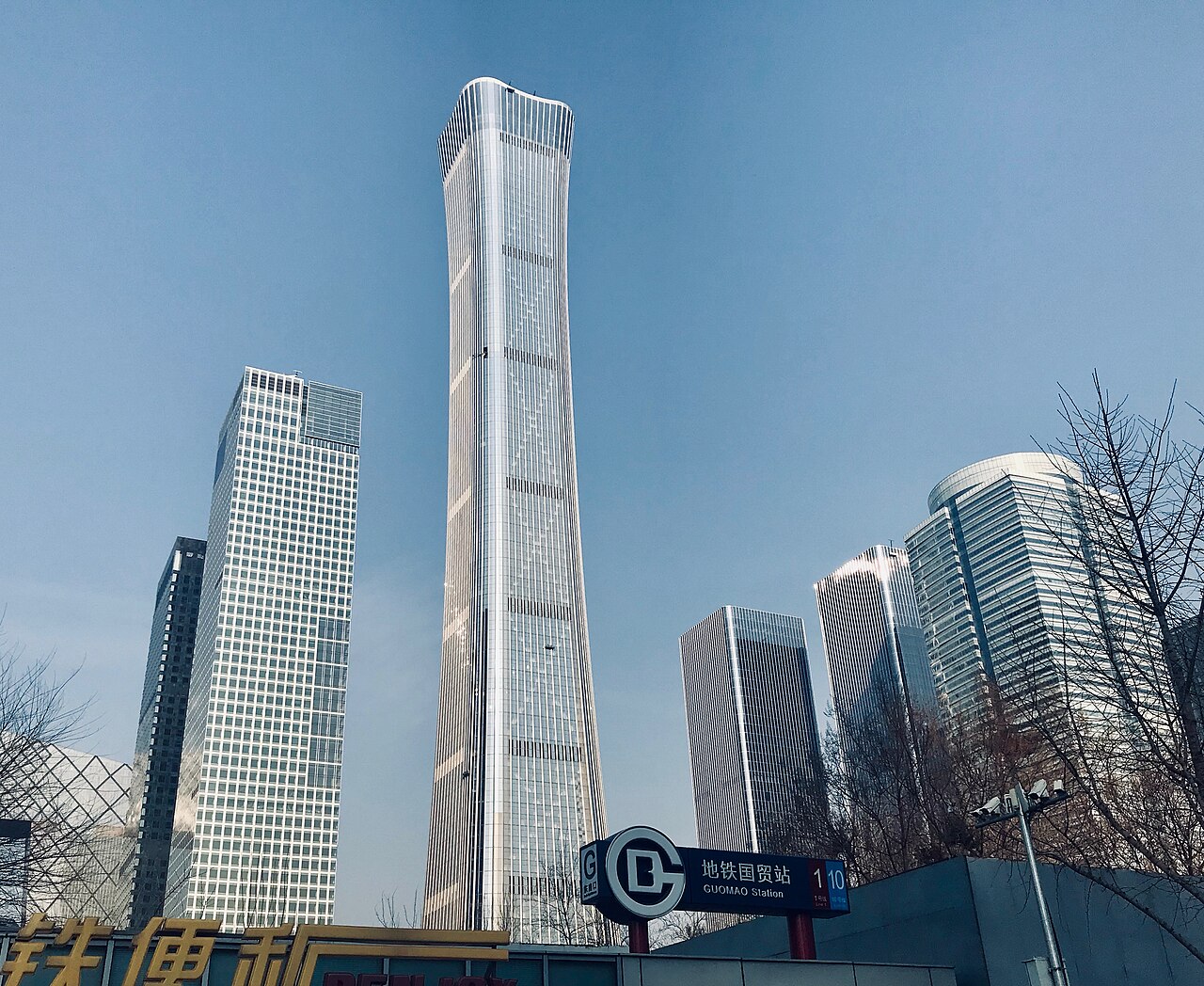
Flight-tracking service Flightradar24 identified the aircraft as a Sunward SA 60L Aurora, a two-seat light sport plane, and said it crashed into CITIC Tower, also known as China Zun. The building rises about 528 meters, or more than 1,700 feet, and is widely identified as Beijing’s tallest building at 108 stories.
Witness accounts reported by Reuters and AP described debris at the base of the tower and visible damage on upper floors. A person working in the building told AP that a fire alarm was triggered after the impact, and emergency vehicles responded in the central business district shortly afterward.
The confirmed location is Beijing’s central business district near the East Third Ring Road, where CITIC Tower stands among some of the capital’s most prominent office towers. Authorities have acknowledged casualties and injuries, but they have not publicly released a full list of the injured, their conditions, or a detailed description of the damage inside the building.
The Chinese government also has not publicly identified the pilot by name or explained why the aircraft was flying in one of the country’s most tightly controlled urban airspaces. Reuters reported that police closed roads around the tower after the crash, and eyewitnesses said officers pushed onlookers away from the scene.
Information controls became part of the story almost immediately. AP reported that social media posts about the crash were scrubbed from China’s internet, while footage circulated outside the country on overseas platforms. That is not the same as proof of a total blackout, but it does show that public information was sharply restricted as officials managed the aftermath.
As of Saturday, authorities had not released a cause for the crash. Reuters reported that the aircraft appeared to be about the size of a car, and witnesses said the impact was unusual given Beijing’s strict airspace controls and the dense concentration of government and commercial buildings in the area.
The building itself adds to the significance of the incident. CITIC Tower, which houses offices in Beijing’s core financial district, is a landmark skyscraper associated with the state-backed CITIC Group and is one of the city’s most recognizable structures. Any strike involving a tower of that scale raises questions about civil aviation oversight, urban airspace enforcement and high-rise emergency response.
For residents and workers in Beijing, the most immediate reality is that many key facts remain unconfirmed. Authorities have not provided a full investigative timeline, a comprehensive injury update or a detailed explanation of how the plane reached the area. The official response so far has been limited to a brief district statement, leaving outside reporting from AP, Reuters and flight-tracking data to fill much of the public record.