

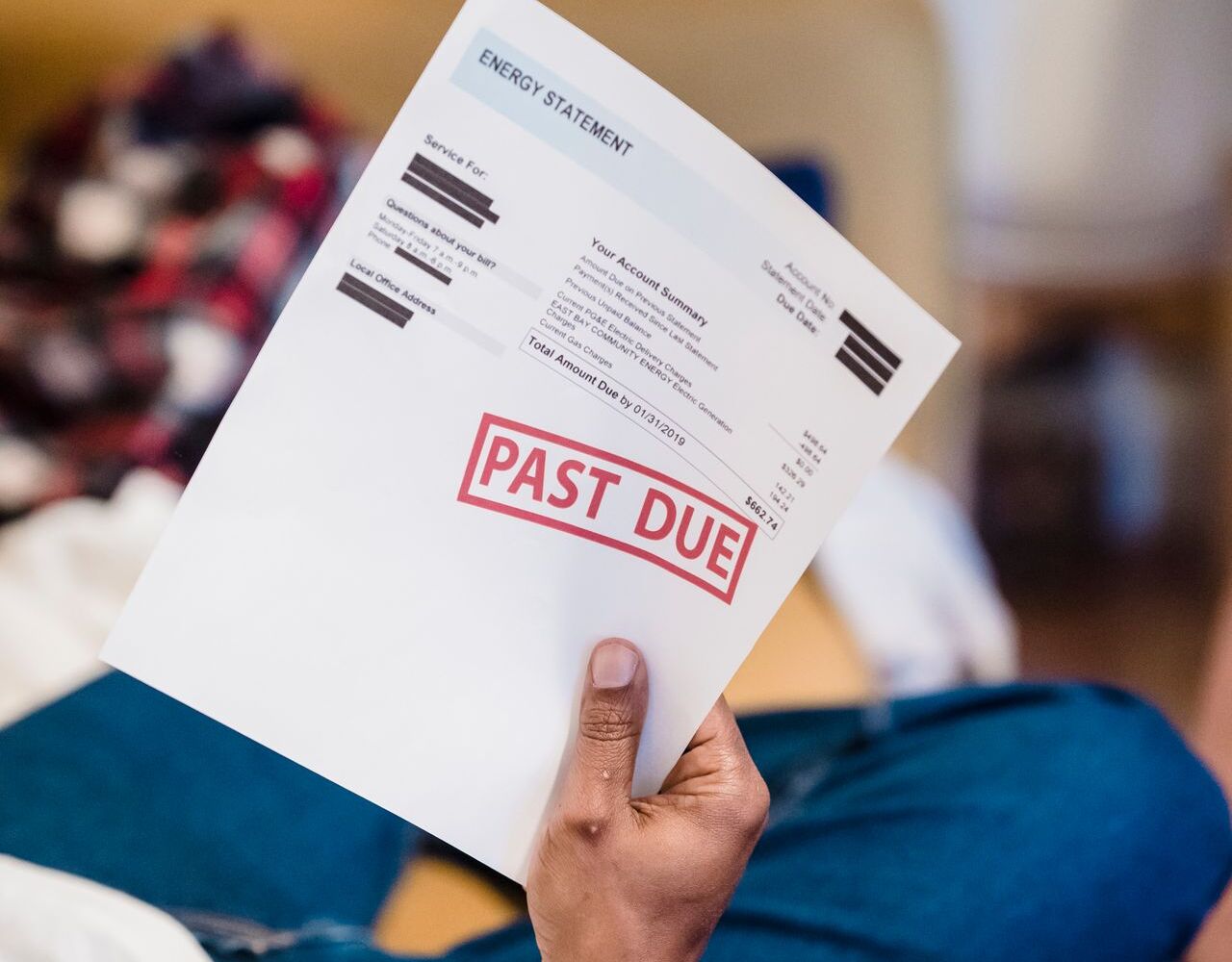
The summer power bill is becoming its own inflation story. For millions of Americans, the cost of staying cool now feels less like a seasonal nuisance and more like a financial shock.
Why electricity bills are climbing so sharply
The pressure starts with heat. The U.S. Energy Information Administration said in its June 2026 outlook that the country is expected to see about 4% more cooling degree days than in 2025 and 4% more than the 10-year average, a sign that homes and apartments will need more air conditioning this summer. The agency also forecasts summer electricity generation of 1,620 billion kilowatthours from June through September, up 3% from last summer, reflecting stronger cooling demand across the country.
Higher use is only part of the problem. EIA expects the average residential electricity price in 2026 to reach 18.2 cents per kilowatthour, continuing a broad multiyear rise in household power costs. Utilities have been pointing to a familiar mix of reasons: fuel expenses, investments in transmission, hardening the grid against extreme weather, and the cost of connecting new sources of demand.
That demand is no longer coming only from households and offices. In January, EIA said U.S. electricity demand is on track for its strongest four-year growth since 2000, driven in part by data centers. That matters to residential customers because rapid load growth forces utilities and grid planners to build, buy, or upgrade more capacity, and those costs ultimately flow into rates and monthly bills.
The strain is uneven, but the anxiety is national. EIA has noted in recent summers that household electricity bills rise not just because prices increase, but because air conditioners run longer during hotter afternoons and warmer nights. For lower-income families, that makes electricity one of the least flexible expenses in a summer budget, especially in places where cooling is a necessity, not a luxury.
Regional differences can be dramatic. New England has long faced relatively high power prices because generating electricity there can depend heavily on delivered natural gas, while fast-growing Sun Belt states often see punishing usage spikes during prolonged heat. In both cases, the monthly bill can jump even when consumers do nothing differently except try to keep their homes livable.
The North American Electric Reliability Corporation said in its 2026 summer assessment that load growth has increased by 11 GW since 2025, after another 10 GW increase the year before. NERC said early summer heat, drought conditions, low wind periods, and maintenance overlaps could still create reliability risks in some regions. Even when outages are avoided, those conditions can raise system costs and reinforce the upward pressure households feel on their bills.
This is the paradox of the 2026 power market: reliability is improving in some places, but affordability is not. NERC said record additions of solar, battery storage, and some natural gas generation have strengthened reserves compared with last summer. EIA also expects utility-scale solar generation this summer to rise 19% from a year earlier, with wind generation up about 10%, showing that cleaner supply is growing fast.
But more supply does not automatically translate into cheaper monthly bills. Utilities are still recovering the cost of building generation, expanding transmission, modernizing local distribution systems, and preparing for more intense weather. In many states, those capital costs are now landing on customers at the same time as heat-driven usage is climbing.
For households, that means the most expensive summer electricity bills ever may not come from one single crisis but from several trends colliding at once: hotter weather, structurally higher rates, and a power system racing to keep up with new demand. The result is a summer in which keeping cool could cost meaningfully more, even before the thermostat moves another degree.