

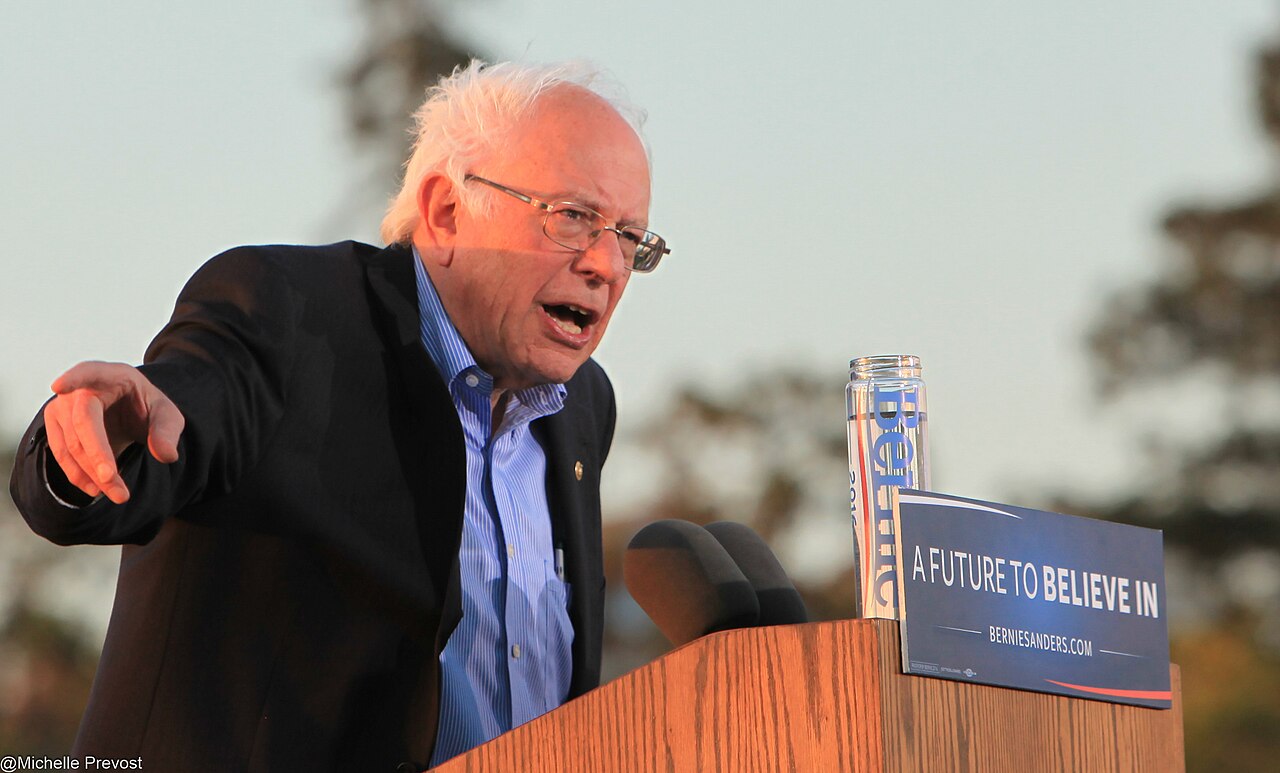
As artificial intelligence spending accelerates and major technology companies race to build new infrastructure, the political fight over who pays for that expansion is widening in Washington. That debate sharpened on March 25, when Rep. Alexandria Ocasio-Cortez of New York and Sen. Bernie Sanders of Vermont unveiled a proposal aimed directly at the AI data center buildout led by companies such as Amazon, Meta and Google.
A federal pause aimed at the AI buildout
Sanders and Ocasio-Cortez announced the Artificial Intelligence Data Center Moratorium Act on March 25, 2026, according to Sanders’ office. The bill would impose an immediate federal moratorium on new AI data centers until what the lawmakers described as strong national safeguards are in place for safety, worker protections, privacy and environmental impacts.
In the announcement, Sanders said Congress should not allow “a handful of billionaire Big Tech oligarchs” to shape the future of the economy and democracy without oversight. Ocasio-Cortez said the federal government has failed to regulate AI fast enough as data center development expands across the country. The proposal also calls for limits on exports of AI computing infrastructure to countries that lack comparable safeguards, according to the bill summary released with the announcement.
The legislation does not name a single company, but its target is clear from the scale of the current market. The largest AI developers and cloud operators in the United States include Microsoft, Amazon, Google and Meta, all of which are investing heavily in data center capacity to support AI training and computing demand, according to their public statements and ongoing industry reporting.
For New York readers, the immediate local significance is less about a confirmed project list and more about utility costs, federal oversight and the broader footprint of AI infrastructure. Ocasio-Cortez has repeatedly tied the data center debate to household expenses, arguing that growing electricity demand from large tech facilities could raise costs for residential customers.
Her office said on September 4, 2025, that House appropriators included her request for a Department of Energy study on how rapidly expanding AI data centers could affect consumer electric bills. That same release cited estimates that data centers could account for 44% of new U.S. electricity demand by 2028 and that average electric bills could rise 8% by 2030 as grid upgrades are built out.
What is not yet known is how any future federal moratorium would affect specific New York projects or which facilities would qualify under the bill’s final language if it advanced. No comprehensive list of affected New York sites has been released, and the measure remains introduced legislation rather than enacted law. Still, the issue reaches New York directly because the state’s power costs, grid planning and climate targets are already central to public debate.
The push reflects a broader argument from Ocasio-Cortez and allied lawmakers that the AI boom is moving faster than public protections. In a May 20, 2026, hearing statement, Ocasio-Cortez pointed to water use at a Meta data center campus in Georgia and said communities could face pressure on drinking water supplies as large facilities come online.
Separate legislation introduced in the House on January 8, 2026, the Data Center Transparency Act, would require federal reports on water use, air quality effects and electricity consumption from data centers. That bill was introduced by Rep. Robert Menendez and referred to the House Energy and Commerce Committee, underscoring that scrutiny of the sector is extending beyond one proposal or one lawmaker.
For residents and customers, the immediate takeaway is that Washington’s AI debate is moving beyond chatbots and into the physical systems that power them. There is no nationwide moratorium in effect, and the Sanders-Ocasio-Cortez bill has not become law. But the proposal has put the country’s largest tech companies on notice that future expansion may face more questions about electricity prices, water demand and public accountability than it did at the start of the AI boom.