

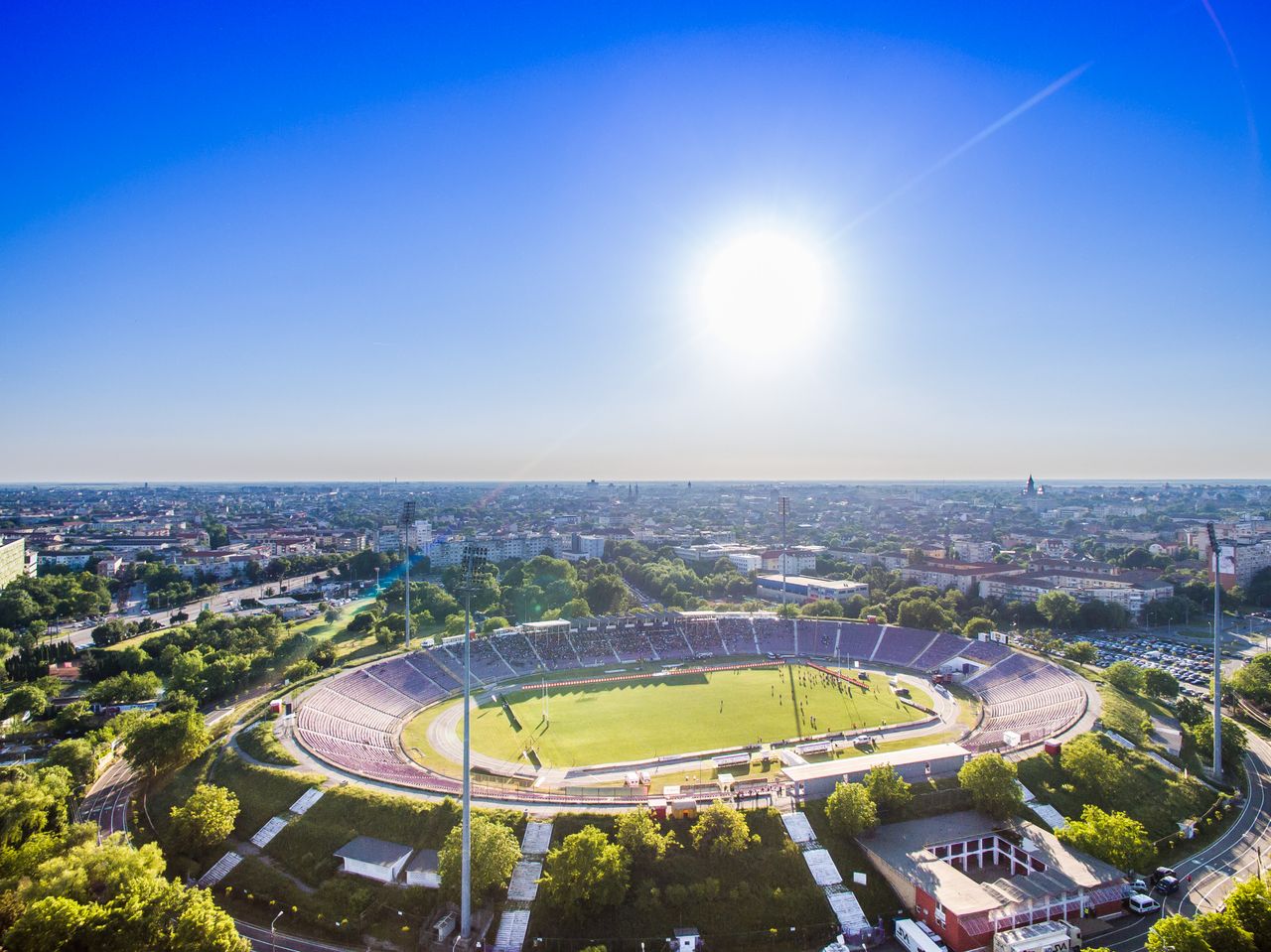
A large stretch of the central and eastern United States is heading into a dangerous run of heat just as the 2026 FIFA World Cup moves through matches in major host markets. This week, the focus is on eastern host cities including Philadelphia, Boston and the New York-New Jersey region, where forecasters say heat and humidity could create difficult conditions for players, fans and outdoor event staff.
Forecasts point to triple-digit heat index values in several host markets
The National Weather Service said a long and dangerous heat wave will affect a broad swath of the central and eastern United States this week, with temperatures climbing ahead of the July Fourth holiday and humidity making conditions feel significantly hotter. According to the Associated Press and Reuters reporting published June 29, heat index values in parts of the Midwest and East could reach roughly 105 to 115 degrees, while above-average temperatures are expected in World Cup host cities including Boston, Philadelphia and Kansas City.
Philadelphia is among the cities facing the most clearly defined warning window. The Associated Press reported that the National Weather Service issued an extreme heat watch for Philadelphia and surrounding areas beginning Wednesday afternoon and lasting into Saturday evening, with daytime “feels-like” temperatures that could reach 110 degrees. The same report said the New York City area could also see near-record heat, with little overnight relief.
Reuters reported June 29 that the heat dome is expected to remain in place through the Fourth of July holiday weekend as knockout-round matches continue. That matters for World Cup operations because many fan activities, security checkpoints, transit walks and stadium approaches happen outdoors even when kickoff is later in the day.
The clearest local change so far has come in Philadelphia. According to the Associated Press, FIFA’s Fan Festival in Philadelphia is shifting its hours this week, including a Saturday watch party that will end at the conclusion of the 1 p.m. game. That is one of the first concrete operational adjustments tied directly to this week’s heat in an eastern host market.
The broader eastern corridor could face uneven impacts depending on venue design and timing. Reuters noted that some World Cup venues in other parts of the country, including Atlanta, Dallas and Houston, have retractable roofs and air conditioning, offering significant relief. By contrast, AP identified Boston, Philadelphia and Kansas City as host cities with open-air stadium exposure, which can raise concerns for fans sitting in direct sun and for workers stationed outside stadium entrances.
What remains unclear is whether additional scheduling or venue-access changes will be announced in eastern host cities beyond Philadelphia’s fan festival adjustment. FIFA had not immediately responded to Reuters on whether more heat-specific measures would be added, though Reuters reported that mandatory three-minute hydration breaks in each half are already in place for matches during this tournament.
Meteorologists describe a heat dome as a large area of high pressure that traps heat and humidity near the ground for several days. Reuters used that definition in its June 29 report, and the Associated Press separately reported that the setup is expected to push above-average temperatures across multiple World Cup host cities this week.
The practical effect is not just high afternoon temperatures but lingering heat after sunset. Reuters quoted AccuWeather senior meteorologist Alan Reppert saying the pattern is likely to stay hot through much of the afternoon and into the evening, a key detail for evening kickoffs and postgame crowd movement. AP also reported that little overnight relief is expected in the New York City area, which can increase cumulative heat stress over several days.
For residents and visitors, the immediate takeaway is that matchday conditions may feel hottest away from the field itself: in transit lines, festival spaces, parking areas and stadium approaches. AP reported that hydration, shade and air-conditioned spaces remain the main protection measures, and experts told the outlet that people should not wait until they feel thirsty to start drinking water. For now, the confirmed picture is a week of elevated heat risk across several eastern World Cup stops, with Philadelphia already changing fan-event operations in response.