

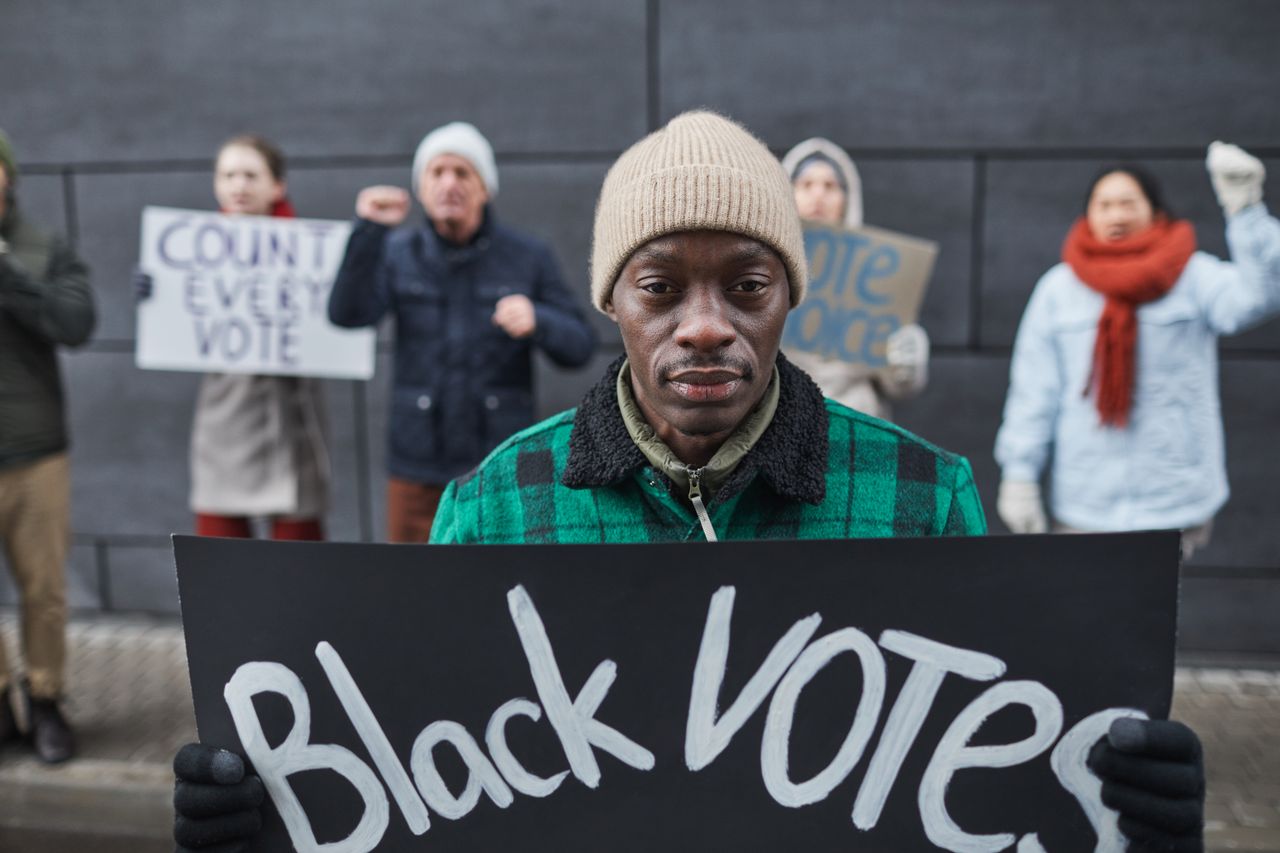
Texas Democrats entered 2026 with an unusually clear opening to compete for a U.S. Senate seat in a state Republicans have controlled for decades. By late June, that opportunity was colliding with a new concern inside the party: whether backlash among some Black voters after the Democratic primary could depress turnout in Texas.
Party strategists see a real risk after the March 3 primary
The immediate trigger is the aftermath of the March 3 Democratic Senate primary, when state Rep. James Talarico defeated U.S. Rep. Jasmine Crockett, according to The Texas Tribune’s election reporting. Crockett, a Black congresswoman from Dallas with a strong following among Black Democrats, had framed her candidacy as both a test of electability and representation in a diversifying state.
At the Texas Democratic Party convention in Corpus Christi on June 27, those tensions were still visible. The Texas Tribune reported that Black Democrats caucusing at the convention cheered Talarico but also made clear that unease remained over his support among Black voters and over the bitter tone of the primary.
Strategists quoted by the Tribune said the main fear is not a large swing of Black voters to Republicans, but that some voters could stay home or skip the Senate race altogether. Talarico acknowledged that concern directly in his convention remarks, saying Democrats must “earn” Black voters rather than assume their support.
That concern matters because Democrats have spent months treating 2026 as a serious statewide opportunity. In February, a coalition including the Texas Democratic Party, Texas Majority PAC, Powered by People and the Texas House Democratic Campaign Committee launched a coordinated campaign with $30 million to start, according to party leaders cited by The Texas Tribune.
The political stakes are magnified by the shape of the Texas race itself. The Texas Tribune reported in February that Democrats viewed 2026 as a prime chance to compete because of weakening approval for President Donald Trump, a bruising Republican Senate contest and the possibility of facing Attorney General Ken Paxton in November.
That opportunity has only sharpened as the general election picture has come into focus. An April Texas Politics Project and University of Houston poll posted by The Texas Tribune found the Senate race in single digits, underscoring how a small drop in turnout from any core Democratic bloc could matter.
Texas Democrats also see potential benefits if Paxton is the Republican standard-bearer. A Deep Root Analytics memo published by The Texas Tribune said Paxton’s presence on the ballot could create a measurable down-ballot penalty for Republicans and expose multiple GOP-held districts to Democratic gains.
What is not yet known is whether the primary bitterness will produce measurable fallout among Black voters by November. Public reporting so far has documented concern inside the party, but not a confirmed statewide drop-off in Black turnout. Recent reporting also noted that previous Democratic Senate nominees, including Beto O’Rourke and Colin Allred, ultimately won roughly 90% of Black voters even after earlier softness in polling.
The conflict is rooted in more than one primary loss. The Texas Tribune reported that the Talarico-Crockett contest became a broader argument inside the party over electability, race and identity, with Democrats split over whether a white candidate or a Black woman offered the stronger path in a changing but still Republican-leaning state. Former Texas Democratic Party executive director Monique Alcala described the race as “very online, really divisive and pretty chaotic,” according to the Tribune.
That debate was fueled by months of friction, including disputes over how candidates and surrogates talked about race and about former Democratic candidate Colin Allred. Reporting from The Texas Tribune and The Washington Post earlier in the cycle showed party officials worrying that the intraparty fight could leave the eventual nominee damaged even before the general election began.
At the same time, the issues motivating Texas voters extend beyond party identity. The April Texas Politics Project poll found affordability and cost of living ranked as the top priority overall and also the top issue among Black, Latino and white likely voters in Texas.
For Texas voters, that means the practical test ahead is whether Democrats can reconnect representation concerns with the economic message they want to run statewide. As of June 27, the party had not shown public evidence that Black voters were moving to Republicans in large numbers, but its own strategists were openly warning that reduced enthusiasm alone could reshape one of 2026’s most closely watched Senate races.