

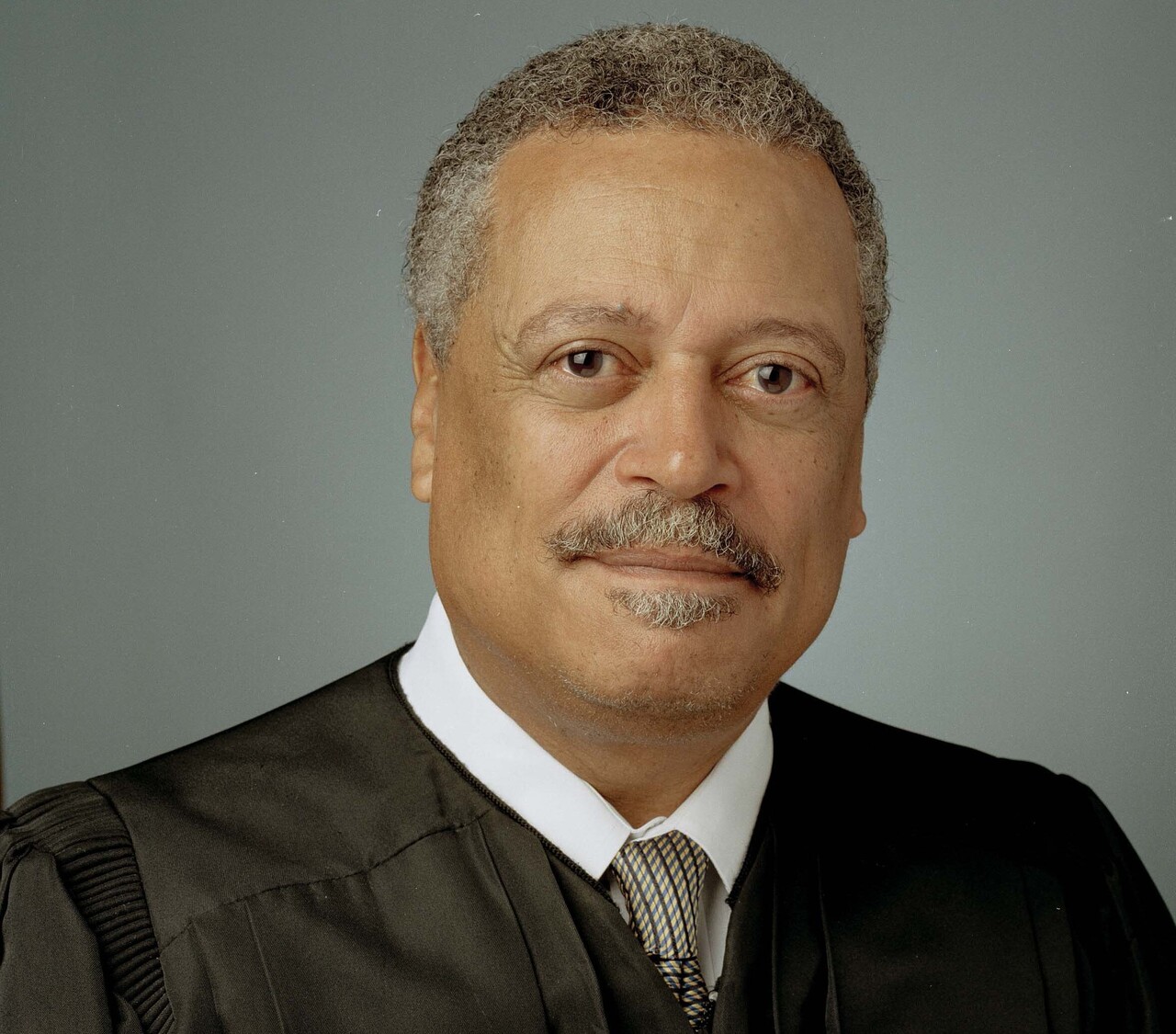
A federal court ruling has halted a new effort to tighten federal control over mailed ballots ahead of the 2026 midterm elections. On July 1, a judge in Washington blocked the U.S. Postal Service from implementing a ballot-delivery policy tied to President Donald Trump’s executive order on mail voting.
Judge bars USPS from carrying out proposed ballot restrictions
U.S. District Judge Emmet Sullivan ruled on July 1 that the Postal Service cannot put in place a proposed policy that would have limited ballot delivery based on whether states submitted voter eligibility lists to the federal government, according to Reuters and the court decision described by multiple news outlets. The case centered on a USPS proposal developed after Trump’s March 2026 executive order on mail voting.
Under the proposed system, states would have been asked to provide names, addresses and ballot-identifying information for voters requesting absentee or mail ballots. If a state declined or failed to certify that list, the Postal Service could refuse to process some ballot mail, according to reporting by Reuters, AP and Axios. Sullivan said that approach conflicted with a 2021 legal settlement requiring USPS to prioritize the monitoring and timely delivery of election mail.
That settlement came out of litigation brought during the 2020 election cycle by the NAACP and others over delivery slowdowns. Reuters reported that the agreement requires “extraordinary measures” to help ensure election mail moves on time through the 2028 election. In Wednesday’s ruling, Sullivan concluded the new USPS proposal could not be squared with those obligations.
The ruling applies to the Postal Service’s proposed mail-handling changes and has national implications because USPS processes election mail across all 50 states. What is confirmed is that the court blocked the agency from using a policy that would have treated ballots differently depending on whether a state shared voter data in the format sought by the federal government. What is not yet known is whether the administration will revise the proposal, appeal Sullivan’s ruling, or pursue a narrower alternative before November.
The broader Trump executive order has also faced separate legal challenges. On June 25, U.S. District Judge Indira Talwani in Massachusetts blocked key parts of the order, including provisions involving federal voter lists and directions to the postmaster general tied to ballot delivery, according to AP and Axios. A different federal judge in May had declined to immediately halt the order in another case, showing that the litigation has been moving on multiple tracks.
No state-by-state list of election offices or jurisdictions affected by the blocked USPS proposal has been released publicly. That means local election officials, including those in high mail-voting states, still face uncertainty about whether any revised federal policy could be proposed later this year.
The core legal question was not whether states may regulate absentee voting, but whether the Postal Service can condition ballot delivery on state compliance with a federal documentation system. Sullivan said the answer, under the existing settlement, was no. Reporting on the decision shows the court viewed USPS as obligated to deliver election mail promptly, not to act as a screening mechanism for voter eligibility.
That legal backdrop matters because Trump’s March 2026 order sought a broader federal role in election administration, an area traditionally governed by states and Congress. AP reported that challengers argued the president lacked authority to rewrite election rules unilaterally. Talwani’s June 25 ruling echoed that concern in blocking major sections of the order.
For voters and election officials, the immediate practical effect is that USPS remains under the existing agreement to prioritize timely election mail. Unless a higher court changes the result or a different lawful policy is adopted, mailed ballots will continue to be handled under the settlement framework already in place through 2028.