

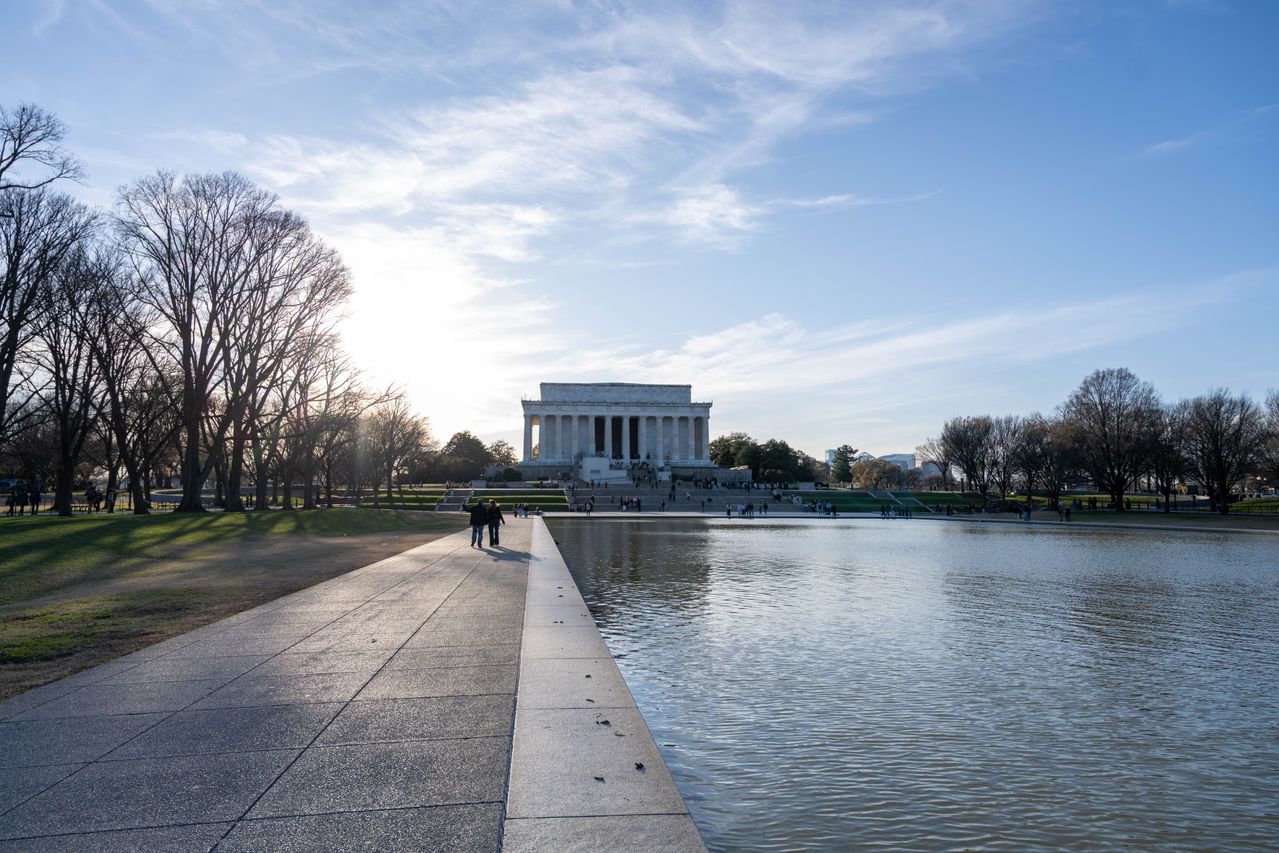
A high-profile arrest at one of Washington’s most recognizable landmarks has turned a maintenance fiasco into a legal and political spectacle. What began as a complaint about a peeling pool liner is now a felony case involving a former Olympian, federal prosecutors, and a national monument.
What the Charges Actually Involve
David Hearn, a 67-year-old former U.S. Olympic canoeist, has been indicted over alleged damage to the Lincoln Memorial Reflecting Pool in Washington. According to Reuters and the Associated Press, prosecutors say Hearn deliberately pulled at newly installed sealant or liner material in the pool on June 19, leading to more than $1,000 in damage. The indictment elevates the matter beyond the initial arrest that followed the incident and places the case squarely in the spotlight.
Authorities have described the allegation as malicious destruction of property tied to a recent rehabilitation project at the Reflecting Pool. The Associated Press reported that Hearn was accused of ripping up a portion of recently installed material after being told to stop. Prosecutors have said witness accounts from workers at the site are central to the case.
Hearn has denied intentionally vandalizing the landmark. In comments reported by multiple outlets, he said he reached into the water to inspect or feel the detached coating rather than to damage it. That distinction will likely become central as the case moves forward, because intent is often one of the most contested elements in property-damage prosecutions.
The legal exposure is significant. Coverage from Reuters and other major outlets noted that the charge carries potentially serious penalties if a conviction is secured, underscoring how even a brief encounter with a public monument can lead to major criminal consequences when prosecutors argue the damage crossed a felony threshold.
The case cannot be separated from the troubled renovation of the Reflecting Pool itself. The National Park Service has been dealing with visible problems at the site, including algae issues and sections of liner or coating that appeared to peel or fail soon after work was completed. The Associated Press reported that the broader rehabilitation effort cost about $16 million, making the alleged damage part of a much larger public debate over quality control and stewardship.
That context matters because the pool had already drawn scrutiny before Hearn’s arrest. Reports described workers vacuuming algae and addressing flaws in the newly refurbished basin, while officials also investigated other damage to the liner. In a separate development cited by the Associated Press, the Park Service said some damage elsewhere on the pool liner appeared to have been caused by a sharp object such as a knife or razor.
Those details complicate the public narrative. On one hand, prosecutors are presenting Hearn’s conduct as a deliberate act that harmed federal property. On the other, the renovation had already become a symbol of a costly project struggling with performance issues almost immediately after reopening.
For many observers, the controversy is now about more than one defendant. It has become a test of how agencies manage taxpayer-funded restoration work, how quickly visible defects can erode confidence, and how aggressively officials respond when a famous public space becomes both a maintenance problem and a political embarrassment.
As the case proceeds, the core question will be whether prosecutors can prove that Hearn intentionally damaged the material rather than merely touched or examined something that was already coming loose. That may sound narrow, but it is the difference between an act of vandalism and a defense built around curiosity, confusion, or preexisting deterioration. Witness testimony, site records, and any visual evidence will be crucial.
The prosecution also matters because it sends a message about how authorities intend to protect symbolic public spaces. The Lincoln Memorial Reflecting Pool is not just another piece of government property; it is part of one of the country’s most visited civic landscapes. Cases involving landmarks often carry outsized significance because officials want to deter copycat behavior and reassure the public that damage will be treated seriously.
At the same time, the defense is likely to lean on the troubled condition of the renovation. If material was already detached, peeling, or visibly compromised, that could shape how jurors interpret both Hearn’s actions and the government’s account of causation. Even if damage occurred, the question of what exactly he caused may become intensely fact-specific.
In that sense, this is a deceptively important case. It sits at the intersection of criminal law, public infrastructure, politics, and preservation, and it shows how quickly a fleeting incident at a national landmark can become a much larger argument over accountability.