

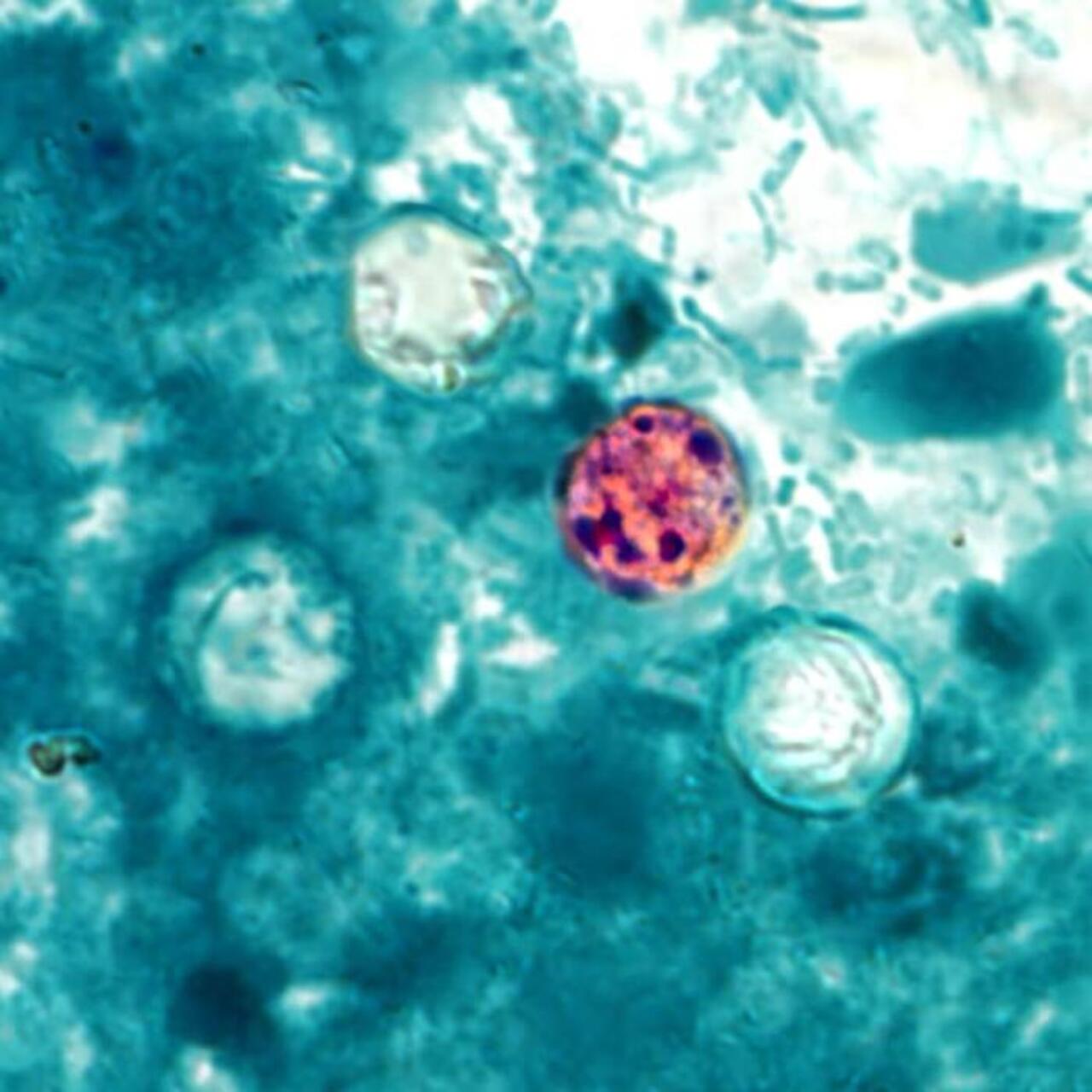
A seasonal rise in foodborne illnesses is common across the United States each summer, especially when fresh produce linked to parasite outbreaks enters distribution. In Michigan, state health officials said this week that a cyclosporiasis outbreak has already grown to more than 300 confirmed cases, prompting warnings for residents to take added precautions.
Michigan confirms a rapidly growing cyclosporiasis outbreak
The Michigan Department of Health and Human Services announced on July 1 that it was actively investigating a “large and growing” outbreak of cyclosporiasis, a diarrheal illness caused by the parasite Cyclospora cayetanensis, according to the agency’s public health bulletin. By July 2, MDHHS told ABC News that more than 300 cases had been confirmed statewide, a sharp jump from the roughly 50 cases Michigan typically records in an entire year.
State officials said MDHHS is working with the Michigan Department of Agriculture and Rural Development and local health departments to identify a shared exposure. The state has confirmed the outbreak is moving quickly, but it has not yet identified a single food item, supplier, retailer, or event as the source. Investigators are interviewing patients to look for common links that could explain the spike.
Federal data shows the Michigan outbreak is occurring alongside a broader national increase in cyclosporiasis cases. The Centers for Disease Control and Prevention reported 145 domestically acquired cases in 17 states outside Michigan as of mid-June, while also stating there is no evidence yet that all reported illnesses are tied to one multistate outbreak.
Michigan has confirmed a substantial outbreak, but the state has not released a comprehensive public list of every affected county or exposure setting. Local reporting and state statements indicate cases have been identified across multiple counties, including in southeast Michigan, but officials have not yet published a final statewide breakdown tied to a single source.
Health officials have confirmed that cyclosporiasis usually spreads through food or water contaminated with feces, rather than through routine person-to-person contact. The CDC says the parasite must spend days to weeks in the environment before becoming infectious, which makes direct transmission between people unlikely in most household or community settings.
For Michigan residents, the practical concern is symptom recognition and exposure history. Doctors interviewed by ABC News said illness often begins about a week after infection, though onset can range from two days to two weeks. Some people may have no symptoms, but those who do often report watery diarrhea, cramping, bloating, nausea, vomiting, fatigue, and sometimes low-grade fever.
Public health officials have not yet named a cause for Michigan’s outbreak, but CDC guidance and physician interviews point to contaminated fresh produce as a recurring source in U.S. cyclosporiasis outbreaks. The CDC has linked past foodborne outbreaks to items such as basil, cilantro, mesclun lettuce, snow peas, raspberries, and other fresh produce, often when contamination occurred before the food reached consumers.
Doctors told ABC News that summer is the period when U.S. cyclosporiasis cases usually begin to rise, so the timing of the outbreak is not unusual even if the scale in Michigan is. Infectious disease specialist Dr. Peter Chin-Hong told ABC News that the United States has historically seen many infections tied to travel or imported produce, but more domestically acquired cases are now being identified as well.
For residents, MDHHS and clinicians are emphasizing basic food safety and prompt diagnosis. Experts told ABC News that people should thoroughly wash produce, cut away damaged areas, and refrigerate pre-cut fruits and vegetables, while those with ongoing watery diarrhea should seek medical care because the infection can be treated with trimethoprim-sulfamethoxazole, the antibiotic regimen listed by the CDC. MDHHS has also said the illness may be more severe for people who are immunocompromised, including some cancer and transplant patients.