

President Donald Trump has revived one of the country’s longest-running public lands disputes by ordering major new reductions to two national monuments in Utah. On July 13, 2026, the action targeted Bears Ears and Grand Staircase-Escalante, two protected areas that had covered more than 3.2 million acres in southern Utah.
Trump orders new cuts to Bears Ears and Grand Staircase-Escalante
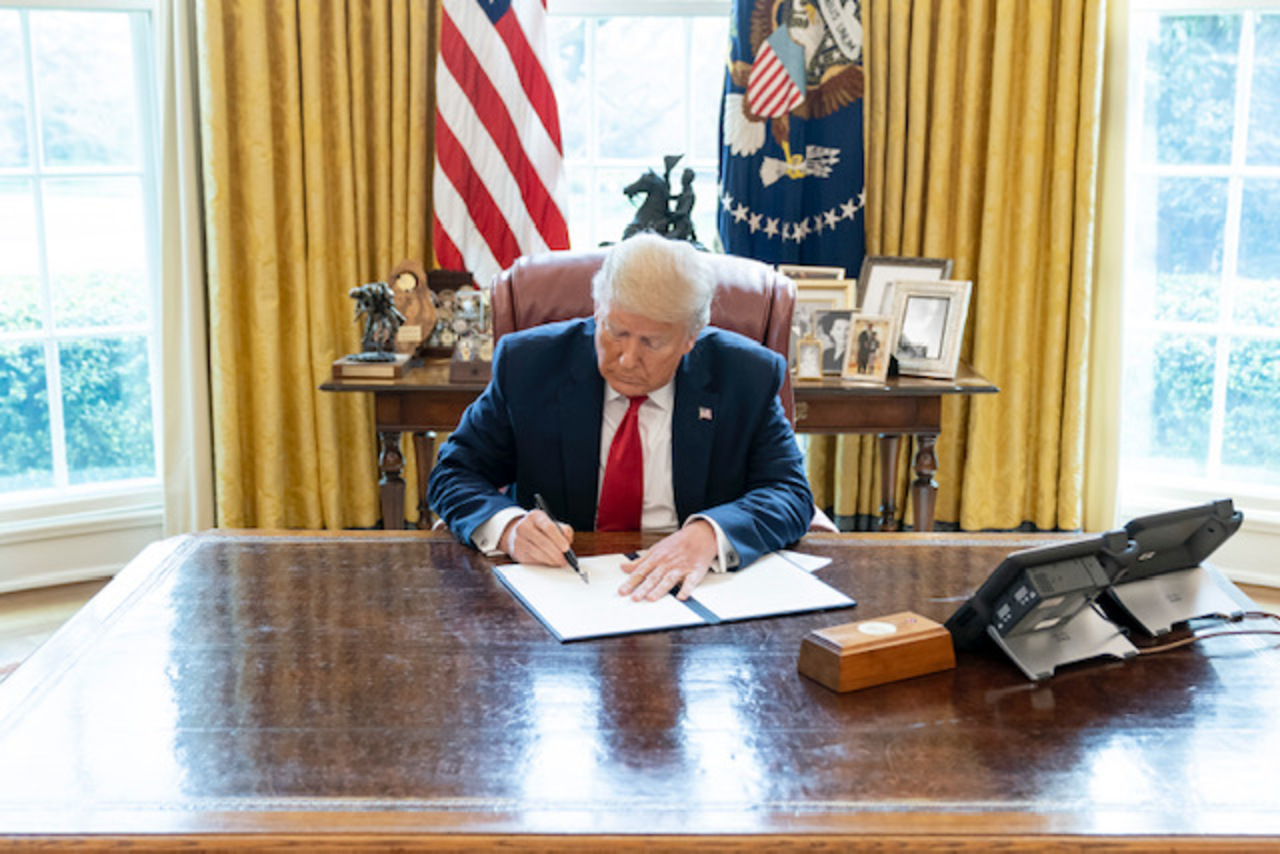
The White House said Trump signed two proclamations on Monday, July 13, 2026, modifying the boundaries of Bears Ears National Monument and Grand Staircase-Escalante National Monument. According to a White House fact sheet and the proclamations themselves, Grand Staircase-Escalante was reduced from about 1.87 million acres to about 181,500 acres, while Bears Ears was reduced from about 1.36 million acres to about 121,100 acres. Together, that leaves the two monuments at less than 303,000 acres combined.
The scale of the reduction goes beyond Trump’s first-term monument rollback. Associated Press reported that when Trump first altered the monuments in December 2017, he left Grand Staircase-Escalante at about 1 million acres and Bears Ears at about 213,000 acres. This week’s action cuts both monuments further, removing protections from well over 90% of the land that had been included before the new order.
The two sites were originally created by Democratic presidents using the Antiquities Act. President Bill Clinton established Grand Staircase-Escalante in 1996, and President Barack Obama created Bears Ears in 2016. The new proclamations argue the previous boundaries exceeded what was needed to protect historic and scientific objects identified under federal law.
The immediate effect is concentrated in southern Utah, where the monuments span areas tied to tribal history, fossil resources, recreation, ranching and mineral development. Bears Ears lies in San Juan County, while Grand Staircase-Escalante stretches across parts of Kane and Garfield counties. The White House said the revised boundaries are intended to allow more grazing, motorized recreation, logging and other land uses outside the smaller monument footprints.
What is confirmed is the acreage change and the new federal boundary direction. What is not yet fully known is exactly how every parcel outside the reduced monument lines will be managed in practice, or how quickly federal agencies will revise management plans. No comprehensive parcel-by-parcel implementation schedule was included in the White House materials released with the proclamations.
The change also reopens a conflict that has shaped Utah politics for years. State Republican leaders and many county officials have argued that large monument designations restricted local land use and economic activity. Tribal nations, conservation groups and archaeology advocates have long said the broader boundaries were needed to protect cultural sites, landscapes and scientific resources across a wide connected area.
The White House framed the decision as part of a broader push to reshape federal land management and curb what it called government overreach. In its fact sheet, the administration said the previous monument boundaries locked up too much land and limited multiple-use access. Reuters also reported that the administration’s stated goal was to open more of the region to activities including grazing, logging, motorized use and resource development.
The move fits a larger political and legal pattern. Trump reduced the same monuments in December 2017, President Joe Biden restored them in October 2021, and now Trump has reversed course again. That sequence has left land policy in southern Utah tied closely to changes in the White House, even as court battles and federal reviews continue to shape what protections remain in force.
For Utah residents, businesses and visitors, the practical next step is likely to come through agency planning rather than immediate on-the-ground transformation. Federal maps and land-use guidance will need to reflect the new boundaries, and legal challenges are expected based on earlier disputes over presidential authority under the Antiquities Act. For now, the confirmed fact is that two of Utah’s best-known national monuments have been reduced to a combined area of roughly 303,000 acres.