

As Washington and Beijing manage a relationship shaped by trade disputes, national security concerns and detained citizens, another American case has moved into public view. That case centers on Youlin Chen, a Boston-area seismologist whose family says China has held him for more than 600 days after accusing him of espionage. The detention, first detailed publicly this week, has become a fresh point of tension in U.S.-China relations.
China detains Boston-area seismologist as case passes 600 days
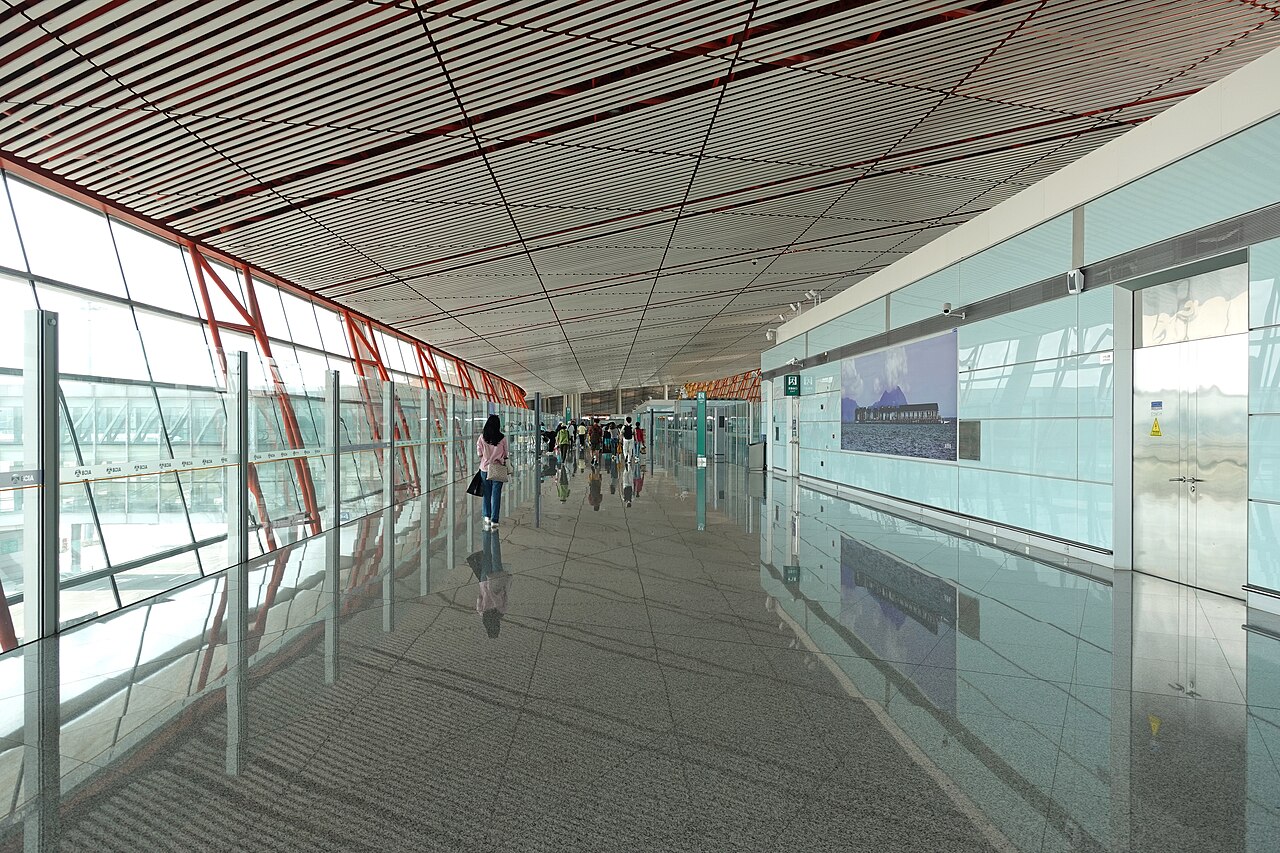
Youlin Chen, a Chinese-born American scientist, was detained at Beijing Capital International Airport on November 5, 2024, as he prepared to board a flight back to Boston, according to Reuters and later accounts from CBS News and Global Reach. His wife, Yufang Rong, said Chinese authorities have interrogated him more than 100 times about his seismology research, much of it tied to U.S.-funded work on detecting North Korean nuclear tests. Reuters reported on July 13 that Chen now faces espionage charges.
Rong said Chen was not allowed to meet with a lawyer until more than 13 months after his detention, a detail also cited by Senator Ed Markey in a July 14 statement. Markey said Chen has been wrongfully detained since November 2024 and held in pre-trial detention while his case proceeds. China has rejected allegations that it is unlawfully holding him, with officials saying the case is being handled under Chinese law, according to CBS News.
The White House has not released a detailed public timeline of the proceedings. However, AP reported that President Donald Trump raised Chen’s case with Chinese President Xi Jinping during their May 2026 meeting in Beijing, and administration officials have described the release of Americans detained abroad as a priority.
Chen is identified in multiple reports as being from the Boston area, placing the case close to home for Massachusetts readers even though the detention is unfolding overseas. AP and ABC News both reported that his family broke its public silence this week after seeing no indication that Chinese authorities planned to release him. The family has said it has had no direct communication with Chen for more than 600 days.
What remains unclear is how extensively Chen’s professional network in Massachusetts has been affected, or whether any local academic or research institutions have taken a public role in the case. Public reporting has not identified a complete list of his recent affiliations, and no Massachusetts-based employer has issued a comprehensive public statement in the coverage reviewed. The State Department also has not publicly outlined all diplomatic steps taken on his behalf.
Still, the case has drawn attention from Massachusetts’ congressional delegation. Markey’s office publicly called for Chen’s release, and the growing attention suggests the matter has moved beyond a private consular issue into a broader diplomatic dispute with local resonance in Greater Boston.
The central issue in Chen’s case is his research on the seismic signatures of underground nuclear tests, according to Reuters, CNN and advocacy groups advising his family. That work is scientifically relevant to monitoring North Korea’s weapons program, but Rong said Chinese interrogators focused repeatedly on those projects. Reuters reported that Rong fears Chinese authorities have already decided to convict him before trial.
Advocacy organizations say the case fits a broader pattern of Americans detained or restricted in China under national security grounds. The Foley Foundation said it believes at least a dozen Americans are unjustly held in China, including some under exit bans. AP reported that Chen’s case surfaced publicly as Chinese President Xi is expected to visit the United States in September, giving the dispute added diplomatic weight.
For U.S. residents following the case, the practical reality is that no trial outcome or release date has been publicly confirmed. Embassy personnel have been allowed to visit Chen several times, according to AP, but the family says communication remains tightly restricted. For now, the most concrete public developments are continued congressional pressure, diplomatic engagement and China’s stated intention to handle the case through its legal system.