

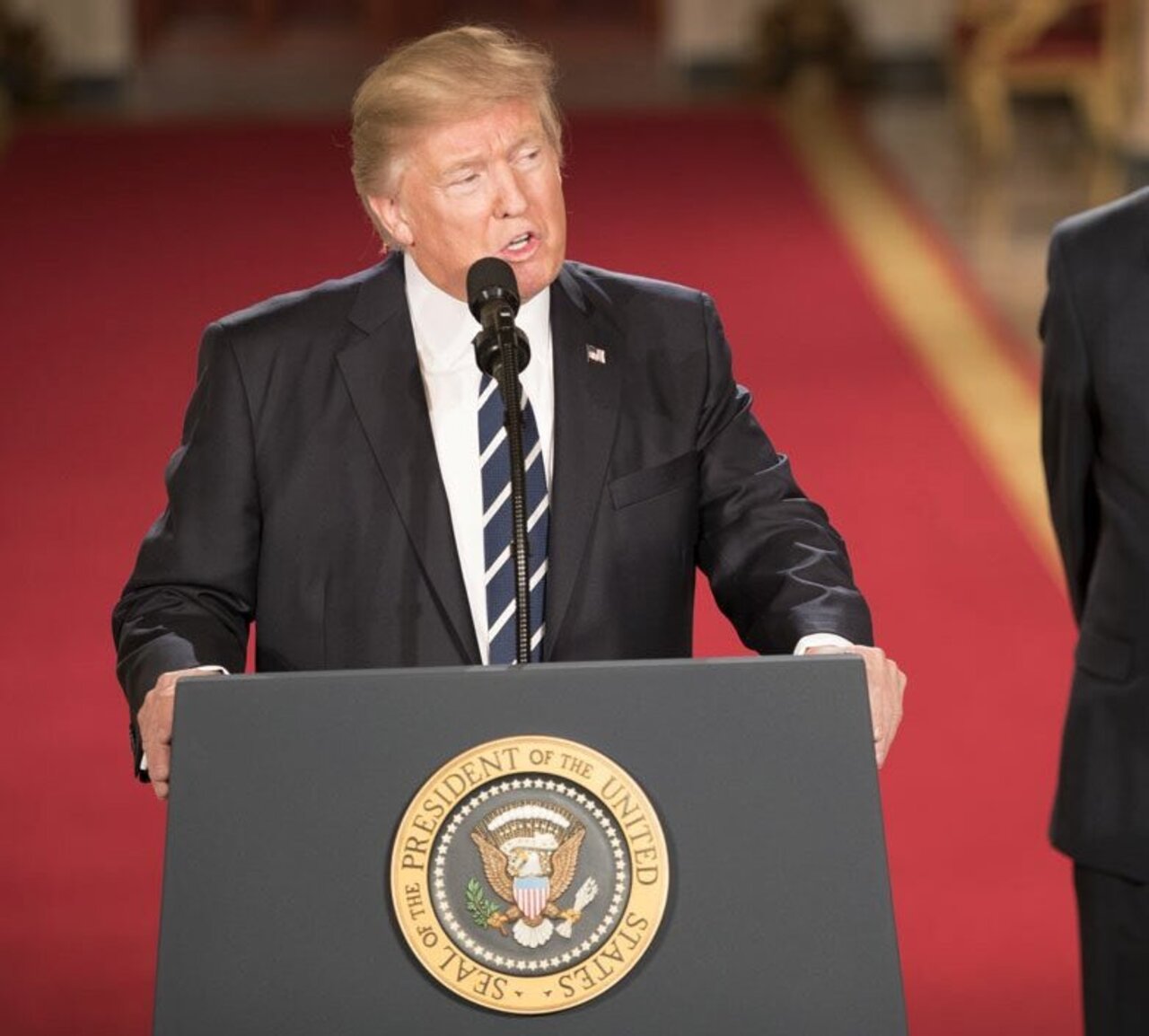
President Donald Trump is returning to election grievances as the country moves deeper into the 2026 midterm cycle. On Thursday night, the focus shifts to the White House, where Trump is scheduled to deliver a nationally televised address centered on voting systems, election security and his still-unproven assertions about 2020.
Trump plans a primetime address focused on election systems
Trump is scheduled to speak at 9 p.m. Thursday, July 16, in a primetime national address after teasing what he described as major news on election integrity. Reuters reported that the White House told the news agency the speech would address newly declassified intelligence tied to election investigations and what the administration described as vulnerabilities in voting machines. The Associated Press separately reported that the address is expected to revisit conspiracy theories about the 2020 election before a national audience.
The scale of the moment is significant because a White House primetime address gives Trump one of the largest broadcast platforms available to a sitting president. According to the AP, the speech follows months in which Trump and allies inside his administration have elevated election-related allegations that courts and previous reviews have not substantiated. The Washington Post reported that the president planned to use findings from reexamined government files to argue that U.S. election infrastructure has vulnerabilities.
Trump also previewed his approach earlier this week by discussing fraud in a current contest rather than only past races. The AP reported that, when asked Monday about the upcoming speech, Trump repeated unsupported claims of voter fraud in the Los Angeles primary race for mayor. That inserted an active 2026 election into a broader message that has already centered on his false insistence that the 2020 presidential election was stolen.
For states and local election offices, the practical impact is not yet a new federal rule but a new round of pressure on how elections are administered. Reuters reported on July 10 that the White House had spent months exploring ways to bypass the federal Election Assistance Commission and use emergency powers to force changes to voting machines before Trump removed the agency’s leaders. That reporting placed the Thursday speech within a larger federal effort already underway.
What remains unconfirmed is whether Thursday’s address will be followed by an executive order, a Justice Department action or a formal directive to states. The White House has not publicly released a detailed policy package tied to the speech, and reporting from Axios indicated advisers had described the remarks more broadly as including election integrity and other issues. That leaves state and county officials waiting for specifics even as the rhetoric escalates.
The local effect could be especially pronounced in battleground states that are already preparing for 2026 general-election administration. The Washington Post reported this month that courts had rejected some recent administration efforts to obtain extensive election-worker or voter data from states including Georgia, New Hampshire and Pennsylvania. Those disputes show that election administration, while national in political message, is still largely carried out by state and local officials.
The broader context is Trump’s sustained effort to keep election fraud allegations central to public debate even after returning to office. Reuters reported in May that Trump had repeated his false claim that the 2020 election was rigged at least 107 times in the first six months of his new term. That count underscored how election messaging has remained a core part of his political strategy rather than a passing grievance.
News organizations have tied that strategy to the approaching midterm elections, which could reshape control of Congress and limit Trump’s governing power. The AP reported that Thursday’s address appears aimed at amplifying election falsehoods before millions of viewers as Republicans head toward contests that will determine the balance of power in Washington. Reuters and other outlets have also reported that the administration has sought system changes while arguing that voting infrastructure needs stronger safeguards.
For voters and election workers, the immediate takeaway is that Thursday’s speech is expected to add national attention to election procedures that are usually managed at the state and county level. What residents should watch for next are any concrete administrative steps that follow the address, because those would determine whether the speech remains political messaging or becomes an attempt to alter election operations before November. As of Wednesday, the confirmed event is the speech itself and the administration’s stated focus on election integrity and voting-machine security.