

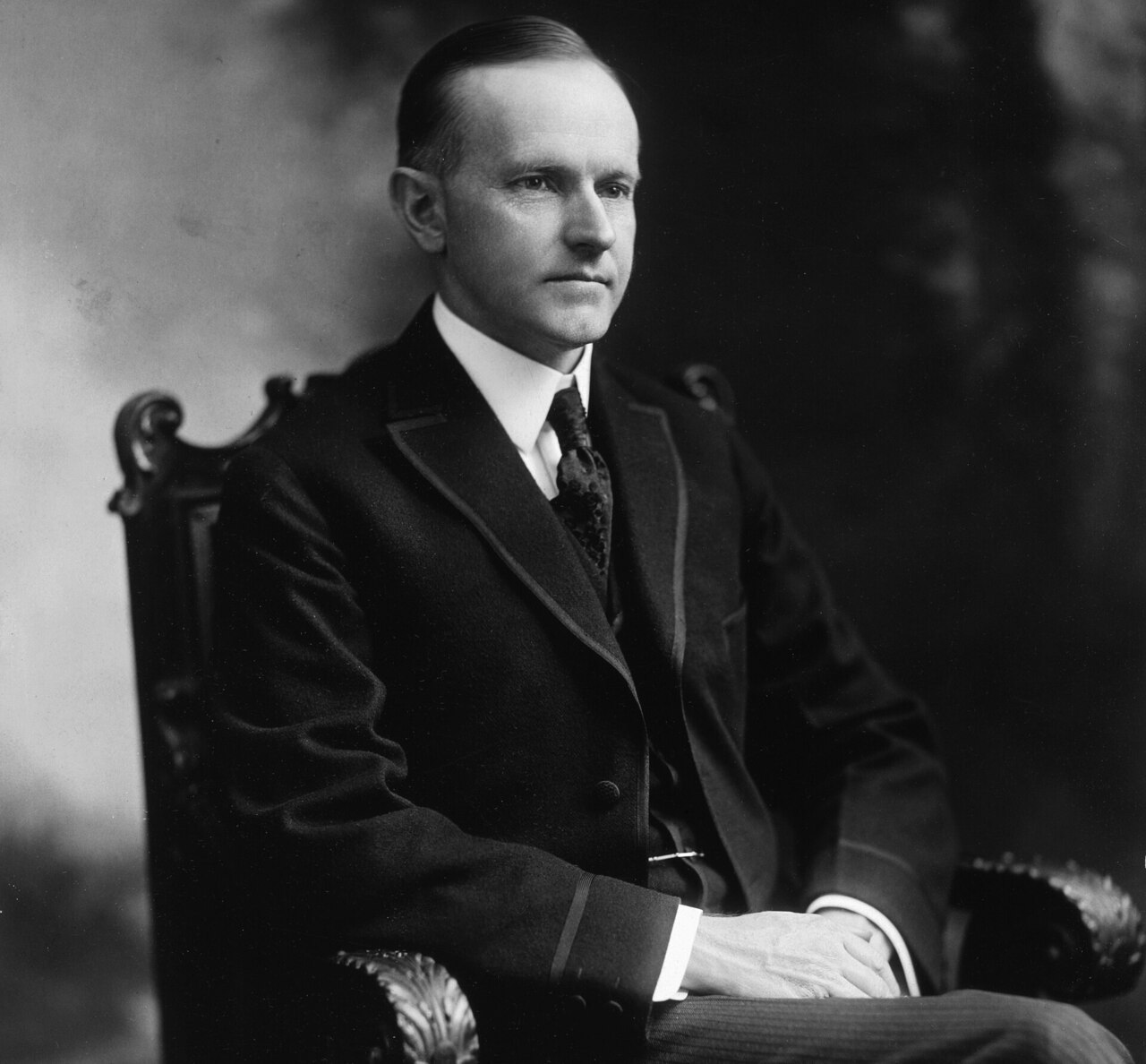
For much of modern U.S. history, American currency has avoided depicting living political leaders, reflecting a long-standing break from monarchical traditions. That makes the 1926 Sesquicentennial of American Independence half dollar a rare exception: it carried the portrait of sitting President Calvin Coolidge while he was still in office. The coin is also remembered for its commercial failure, with most of the mintage eventually returned and melted.
The coin that broke with tradition
The U.S. Mint states that the Sesquicentennial of American Independence half dollar was released in 1926 to mark the 150th anniversary of the Declaration of Independence, and that it marked the first time a U.S. president’s portrait appeared on a coin during his lifetime. The obverse paired George Washington with Coolidge, who was serving as president during the anniversary year. The reverse featured the Liberty Bell, tying the design directly to the Philadelphia exposition organized around the celebration.
Congress authorized the commemorative issue for the Sesquicentennial Exhibition Association, which was responsible for obtaining and distributing the coins at face value from the government and reselling them to the public. The coin was struck in Philadelphia, according to the Mint’s historical record. Its design is credited by the Mint to John F. Lewis and Chief Engraver John R. Sinnock.
The scale of the release was unusually large for a commemorative coin of that era. Numismatic Guaranty Company records show that Congress authorized as many as 1 million half dollars, and that 1 million were minted in May and June 1926. Of those, only 140,592 were sold during the Philadelphia exposition, leaving 859,408 to be returned to the Mint and melted.
The failed sales total is the figure that has kept the coin in numismatic history. That 859,408 count means nearly 86 percent of the mintage did not find buyers, an unusually weak showing for a coin tied to a major national anniversary. Professional Coin Grading Service and other coin historians have similarly recorded that about 86 percent of the original issue was later destroyed after remaining unsold.
The poor results came despite the visibility of the broader event. The coin was meant to help finance the 1926 Sesquicentennial Exposition in Philadelphia, but the exposition did not generate enough collector demand for such a large commemorative run. Coin historians cited by PolitiFact described the issue as unpopular, noting that more than 850,000 pieces went back to the Mint after the sales campaign fell short.
The episode also fit a broader pattern in early commemorative coin programs. The U.S. Mint’s historical overview of classic commemoratives notes that large quantities of some issues were returned for melting after sales disappointed. In that sense, the Coolidge half dollar was not just an exception because it depicted a living president; it also became one of the clearest examples of how ambitious commemorative coin programs could overestimate demand.
The Coolidge half dollar remains significant because it sits at the intersection of politics, symbolism and coin collecting. The Mint’s own description identifies it as the first coin to show a president during his lifetime, while later numismatic reporting has treated it as the last time a living sitting president appeared on standard U.S. coinage. That status has kept the coin relevant whenever debates resurface about who should appear on American money.
Its rarity today is shaped less by an intentionally small mintage than by the decision to destroy most of what had been made. Because only a fraction of the original production survived, the coin became collectible in a way organizers likely did not anticipate in 1926. The surviving examples are now better known for their historical anomaly than for the fundraising mission they originally served.
For the broader public, the coin is a reminder that U.S. currency design has long been guided by both law and custom. While commemorative exceptions have appeared over time, the 1926 Coolidge half dollar remains one of the clearest documented cases of a living president placed on U.S. coinage, followed by a sales collapse that sent roughly 860,000 unused pieces to the melting pot.