

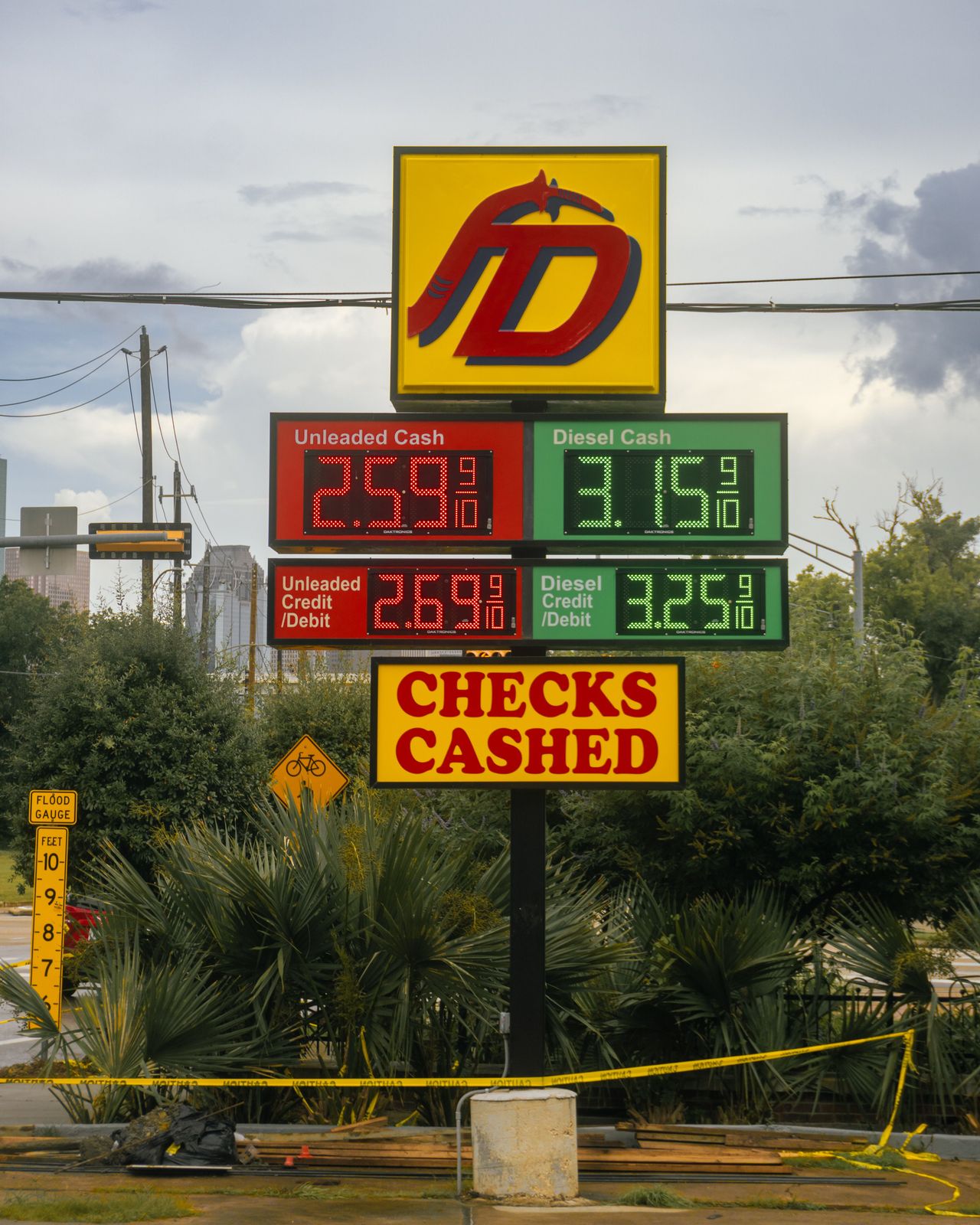
As fuel costs moved back to the center of the national political debate this spring, new polling showed Americans growing markedly more uneasy about what they are paying at the pump. That shift came into focus on March 24, when Reuters/Ipsos released fresh survey results as President Donald Trump and his allies tried to contain the political fallout from rising energy costs. The findings added a new measure of public concern at a moment when gas prices were feeding wider worries about the cost of living.
Reuters/Ipsos poll shows a sharp increase in concern
Reuters and Ipsos reported on March 24 that public unease tied to fuel and living costs had intensified as pump prices climbed during the Iran conflict. In the polling described by Reuters and Ipsos, concern over gas prices was framed as part of a broader affordability problem that had worsened since the start of the year. The Reuters/Ipsos survey was conducted March 20 through March 23 using Ipsos’ probability-based KnowledgePanel.
Ipsos said the poll sampled 1,272 U.S. adults and weighted the results for demographic and political characteristics to reflect the national population. In its March 24 summary, Ipsos said Americans now rank the economy, unemployment and jobs as the country’s top concern at 16%, while war and foreign conflicts followed at 14%. The same release said just 34% of Americans viewed the economy as somewhat or very strong, while 63% described it as weak.
Reuters reported that Trump’s standing also slipped alongside the economic unease. The wire service said his overall approval rating fell to 36%, while only 25% approved of his handling of the cost of living. Reuters said those readings came as gasoline prices had surged since the U.S. and Israel launched strikes on Iran on February 28.
The polling result is national, not state-specific, and neither Reuters nor Ipsos released a comprehensive public breakdown showing which metro areas or states drove the largest share of concern. What is confirmed is that Americans across regions were surveyed, with weighting that included census region and metropolitan status, according to the methodology published by Ipsos. What is not publicly detailed in the March 24 release is how concern over gas prices differed from, for example, California to Texas or from urban to rural ZIP codes.
That matters because the household impact of fuel inflation is often uneven. Areas with longer driving commutes, less transit access, or higher baseline gasoline taxes can feel pump increases more quickly than dense urban markets. Reuters separately reported on March 24 that the average U.S. gasoline price had risen by about $1 a gallon since the war began, though local pump prices were moving on different timelines.
For residents, the practical effect is that broad national concern does not always mirror what drivers see on the same day in every neighborhood. Still, the poll indicates that fuel prices had become a tangible political and economic issue well beyond commodity markets. Even without a full state-by-state breakdown, the survey showed gas costs were feeding broader doubts about affordability.
Reuters tied the rise in economic concern directly to the war-related energy shock. In its March 24 coverage, Reuters said the conflict had sharply curtailed oil shipments from the Middle East, contributing to a roughly $1-a-gallon increase in average U.S. gasoline prices. A separate Reuters report published March 5 said the national average had already risen 27 cents in a week to $3.25 a gallon, based on AAA tracking.
Trump publicly downplayed the political danger of higher pump prices as the conflict widened. In the March 5 Reuters interview, he said he was not concerned about rising U.S. gas prices and said they would fall rapidly when the conflict ended. By April 16, Reuters reported, Trump was also casting aside what allies and critics described as “fake inflation” arguments tied to fuel-driven price spikes, even as Republican strategists told the news agency they worried the White House was losing control of the affordability debate.
For consumers, the immediate takeaway was not a formal federal policy change on March 24, but a measurable increase in public anxiety linked to fuel costs and the wider economy. Reuters reported that analysts and strategists viewed the trend as a warning sign for the administration as long as gasoline prices remained elevated. The administration, meanwhile, continued to argue that any pressure tied to the conflict would be temporary.