

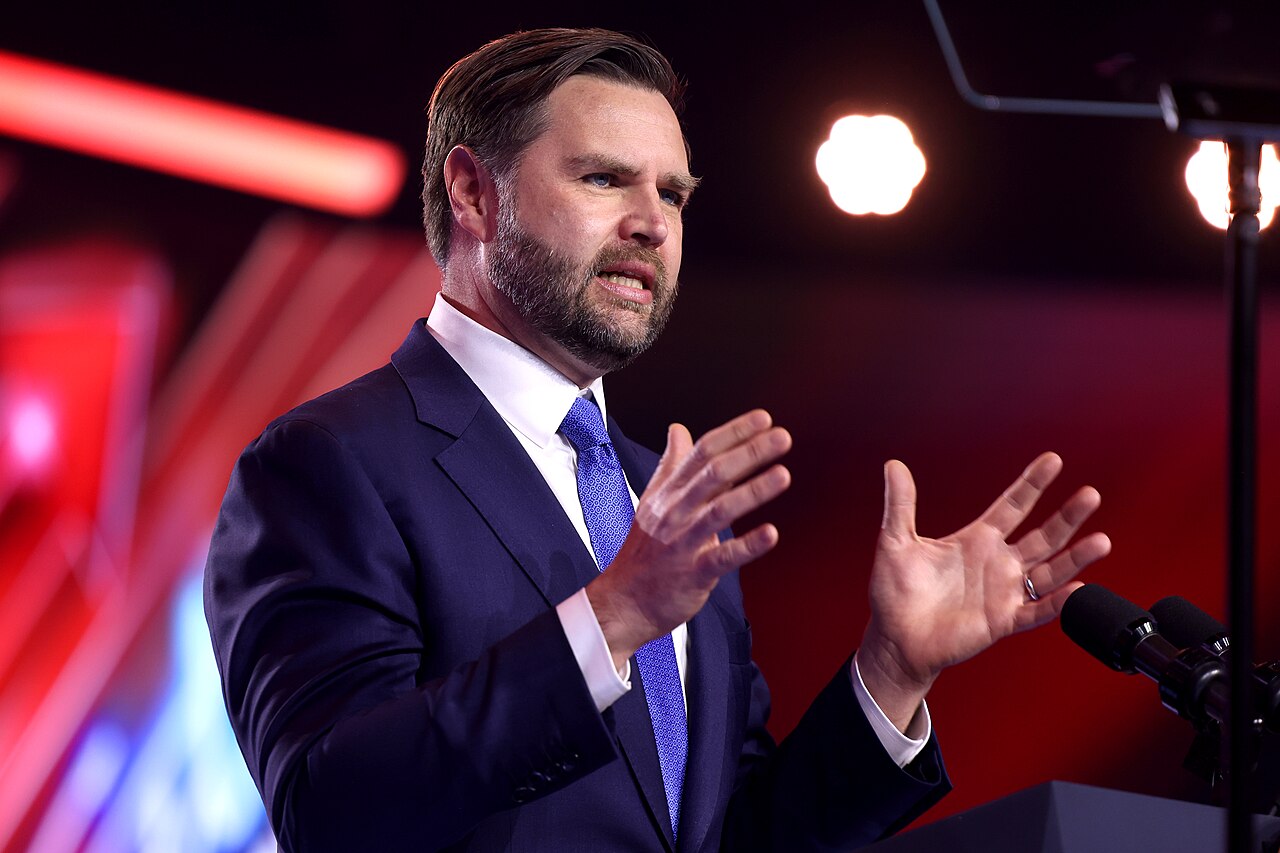
The Trump administration has made anti-fraud enforcement a central part of its federal spending agenda in 2026. That effort expanded on September 14, when Vice President J.D. Vance said in Kansas City, Missouri, that roughly 870,000 people linked to suspected fraud in pandemic-era business relief programs would be blocked from future federal loans. The move targets borrowers tied to COVID-era Small Business Administration lending and marks one of the administration’s largest single enforcement actions to date.
SBA suspends 870,000 borrowers tied to suspected pandemic fraud
The Small Business Administration announced on September 14 that it had suspended 870,000 U.S. borrowers connected to an estimated $39 billion in suspected fraudulent activity in the Paycheck Protection Program and COVID Economic Injury Disaster Loan program, according to the agency’s official statement. Vance said the borrowers would be prohibited from receiving future SBA small-business and disaster loans, and the SBA said they would also be ineligible for other agency programs, including participation in the 8(a) Business Development Program.
The announcement was made alongside a broader federal fraud enforcement push. CBS News reported that Vance described the action as a cutoff for people the administration believes misused taxpayer-backed pandemic aid, while the SBA called it the largest action ever taken against perpetrators of SBA fraud. The administration has not publicly said that all 870,000 cases have been criminally charged or adjudicated in court.
The scale reflects the size of the pandemic relief system itself. The Government Accountability Office has reported that the SBA distributed more than $1 trillion in loans and grants to more than 10 million small businesses during the COVID-19 period, creating a large enforcement challenge once fraud concerns emerged.
Because Vance announced the policy in Kansas City, Missouri, the state is now part of the public face of the administration’s latest anti-fraud campaign. What is confirmed is that the suspensions apply nationally, not just to Missouri borrowers, and that the affected loans are tied to federal SBA programs rather than student lending or ordinary consumer credit, according to the SBA announcement and CBS News reporting.
What is not yet known is how many of the 870,000 suspended borrowers are in Missouri, Kansas, or the Kansas City metro area. The SBA has not released a comprehensive state-by-state breakdown with this latest announcement. That means local residents and businesses do not yet have a public list showing which Missouri borrowers, lenders, or communities are most directly affected.
Still, prior SBA reporting shows the agency has used state-level enforcement data in earlier fraud reviews. In its 2025 annual report, the SBA said it had suspended 6,900 borrowers in Minnesota tied to 7,900 loans totaling about $400 million. No comparable Missouri figure was included in the September 14 national release.
The administration has tied the suspensions to a wider federal campaign against fraud in benefit and lending programs. The White House said President Donald Trump established a Task Force to Eliminate Fraud in 2026, led by Vance, to coordinate government-wide efforts to combat fraud, waste, and abuse. Treasury has also said it is working with that task force as part of broader screening and enforcement efforts.
The policy also follows years of findings from federal watchdogs about weaknesses in pandemic loan oversight. A March 2025 GAO report said roughly 2 million of nearly 3 million pandemic-loan fraud referrals reviewed by the SBA Office of Inspector General were not actionable because they lacked enough data or had quality problems such as duplicates or incorrect information. That report underscored both the scale of suspected fraud and the government’s difficulty in turning red flags into prosecutable cases.
For residents and business owners, the immediate practical effect is limited to future access to SBA-backed programs for suspended borrowers. The administration has said the suspensions are part of a continuing review of pandemic-era fraud, and further enforcement actions could follow as agencies continue screening old PPP and EIDL records.