

Medicare prescription coverage has been under financial pressure as federal officials remake the Part D benefit and insurers adjust to higher plan costs. That debate sharpened on July 29, 2026, when the Trump administration said it will let a temporary subsidy program for stand-alone Medicare drug plans expire, while blaming insurance companies for relying on federal support to hold down premiums. The decision affects a national market used by tens of millions of Medicare beneficiaries, including seniors in every state.
Trump administration confirms end of Part D premium support
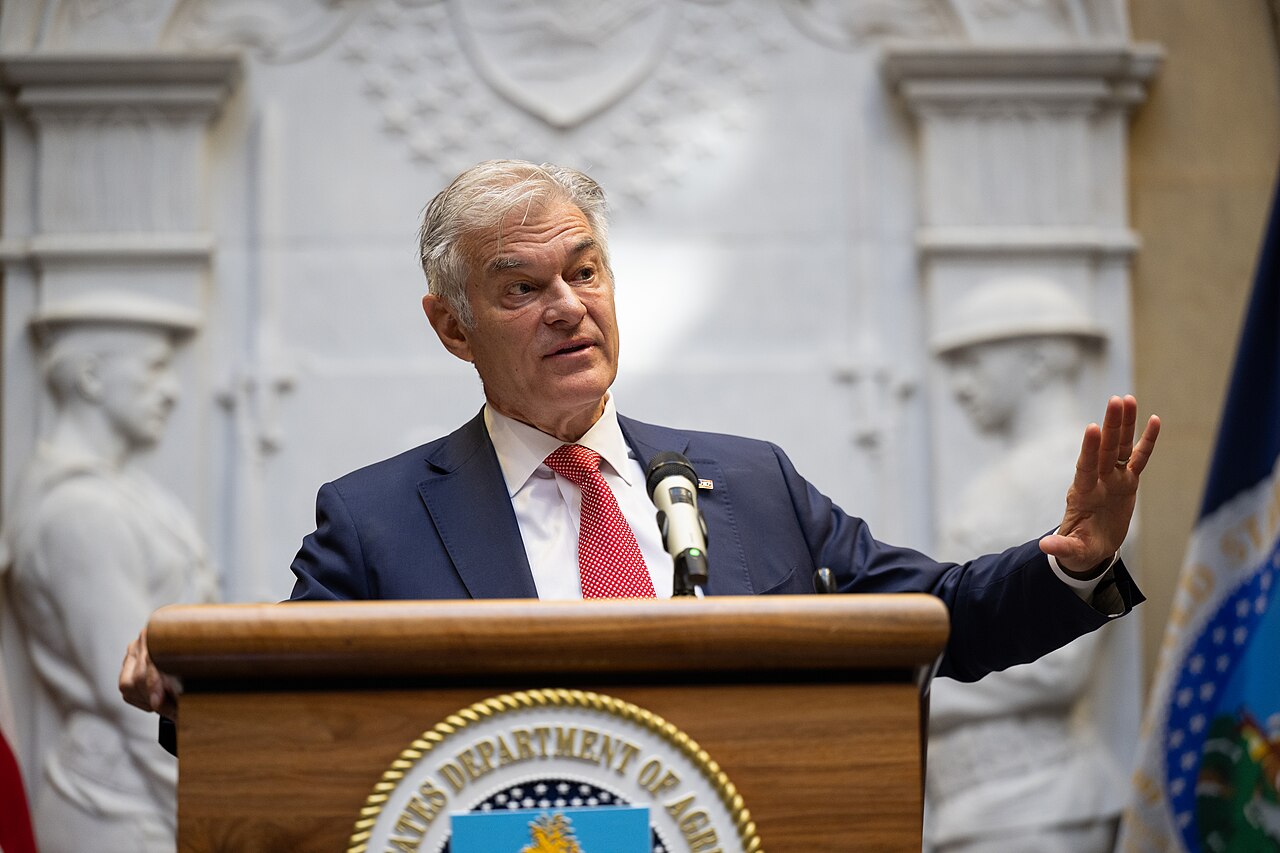
The Centers for Medicare & Medicaid Services confirmed on July 29 that enhanced federal support for the Medicare Part D stand-alone drug plan market will end after the 2026 plan year, closing out a temporary premium stabilization demonstration first launched for 2025 and continued into 2026. According to ABC News, CMS Administrator Mehmet Oz said the subsidy had become a benefit for corporate insurance companies rather than a long-term solution for seniors’ drug coverage costs.
KFF, which tracks Medicare policy, reported that the demonstration helped keep the average monthly premium for stand-alone prescription drug plans at about $36 in 2026, down from $39 in 2025. KFF also reported that the program continued into 2026 under the Trump administration, but with reduced support compared with the prior year. Federal support for participating plans included limits on how much premiums could rise and added subsidy payments to stabilize the market, according to CMS and a 2026 Government Accountability Office review.
Administration officials said many beneficiaries will still have access to lower-cost options in 2027, and Oz wrote that premium increases for most Medicare recipients would be less than $10. But KFF has also said ending the extra subsidies could push some premiums up by as much as $20 a month, depending on the plan. CMS has not yet released final 2027 premium tables for individual plans.
Because Medicare Part D operates as a national but locally available private-plan market, the direct impact on seniors will vary by county, state and insurer. What is confirmed is that beneficiaries enrolled in stand-alone prescription drug plans may see different premium changes when 2027 offerings are filed and approved. What is not yet known is the full plan-by-plan effect in any one state, because CMS has not released a comprehensive list of 2027 premiums or all affected contracts.
For Medicare beneficiaries in the United States, the timing matters. Seniors typically review plan choices during the annual open enrollment period, and administration officials told ABC News that enrollees will learn the new monthly costs later this fall. That means households comparing drug coverage for 2027 may face changes before the next coverage year begins, but they do not yet have complete pricing information.
The impact may also differ between stand-alone Part D plans and Medicare Advantage plans that include drug coverage. KFF’s 2026 analysis found the average premium for stand-alone drug plans was much higher than the Part D portion embedded in many Medicare Advantage plans. Still, no federal agency has said that all seniors will face the same increase, and CMS has not published a state-by-state estimate of who will pay more in 2027.
The policy fight is rooted in how Medicare’s drug benefit was redesigned after the Inflation Reduction Act shifted more liability to prescription drug plans and added new beneficiary protections. CMS previously said the temporary demonstration was meant to improve stability as those benefit changes took effect. GAO later reported that CMS used the program to stabilize monthly premiums and enrollment in stand-alone drug plans during the transition.
Trump administration officials are now framing the same support as an unnecessary backstop for insurers. According to ABC News, officials said the Biden-era law effectively funneled billions of dollars toward insurance companies, and Oz said the administration believes the market is stable enough to operate without that extra premium support. KFF has separately estimated the direct cost of the premium stabilization demonstration at billions of dollars in 2026.
For customers, the practical takeaway is narrower than the politics. Seniors with stand-alone Medicare drug plans should expect 2027 premiums to be set without the extra stabilization payments that were available in 2025 and 2026, while other Part D protections, including the program’s out-of-pocket cap structure, remain part of the redesigned benefit. Final 2027 plan prices are expected during the next Medicare enrollment cycle, when beneficiaries will be able to compare the updated options plan by plan.