

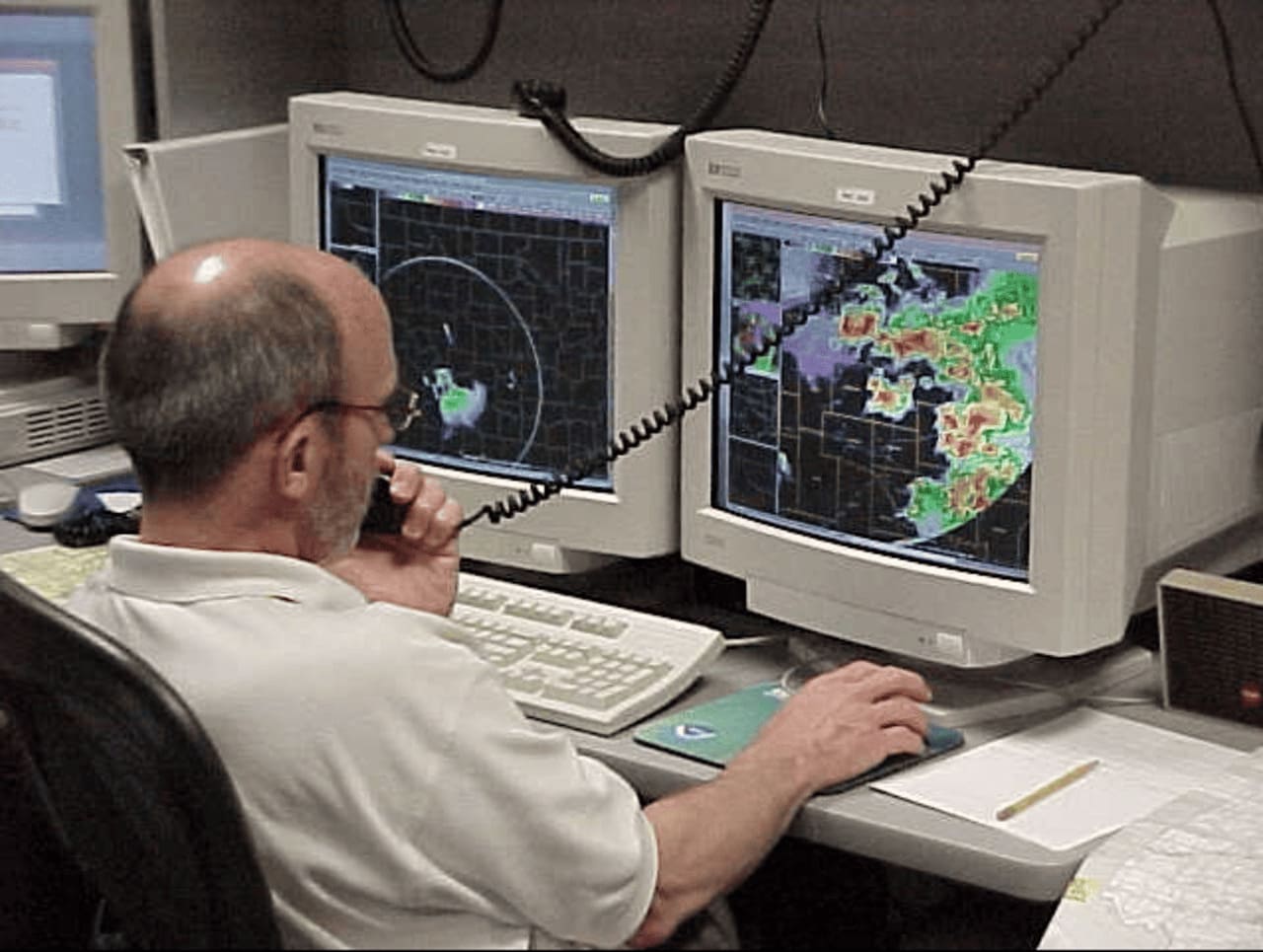
Meteorologists are closely watching a large-scale ocean pattern in the tropical Pacific that could influence weather across the United States for months ahead. While no single climate pattern determines daily weather, changing ocean temperatures often play a major role in shaping seasonal forecasts, affecting everything from rainfall and drought to heat waves and storm activity.
The current focus is on the El Niño-Southern Oscillation, or ENSO, a natural climate cycle driven by changes in Pacific Ocean temperatures and atmospheric conditions. Experts from the U.S. National Oceanic and Atmospheric Administration (NOAA) say ENSO can shift global weather patterns, making it one of the most important tools for long-range forecasting.
If neutral ENSO conditions continue or gradually transition toward La Niña later this year, you could see noticeable differences depending on where you live. Parts of the southern United States may become warmer and drier than average, while the northern states could experience cooler temperatures and periods of increased rainfall or snowfall during the colder months. The exact outcome will depend on how the pattern develops in the coming weeks.
The Atlantic hurricane season is another area of concern. Historically, La Niña conditions reduce upper-level wind shear over the Atlantic, creating an environment that can support stronger and more frequent tropical storms. That does not mean every coastal community will experience severe weather, but it does increase the need for early preparation.
Agriculture could also feel the effects. Farmers often rely on seasonal outlooks to plan planting, irrigation, and harvesting. A shift toward drier conditions in some regions may increase pressure on crops, while wetter conditions elsewhere could improve soil moisture but also raise the risk of flooding.
Energy demand may change as well. Extended heat across parts of the country can increase electricity use for air conditioning, while colder periods later in the year may boost heating demand. Utilities and emergency planners often monitor climate patterns months in advance to prepare for these changes.
Meteorologists stress that seasonal outlooks are not daily forecasts. Instead, they indicate the likelihood of warmer, cooler, wetter, or drier conditions over several months. Local weather systems, including cold fronts, thunderstorms, and tropical systems, will still determine what you experience on any given day.
The best approach is to stay informed as new forecasts become available. NOAA and the National Weather Service regularly update seasonal outlooks using the latest ocean and atmospheric data. By following those updates and preparing for changing conditions, you can make better decisions whether you are planning travel, managing a business, or protecting your home.
As scientists continue monitoring the Pacific Ocean, one thing is clear: this climate pattern will remain a key factor in shaping U.S. weather through the months ahead.