

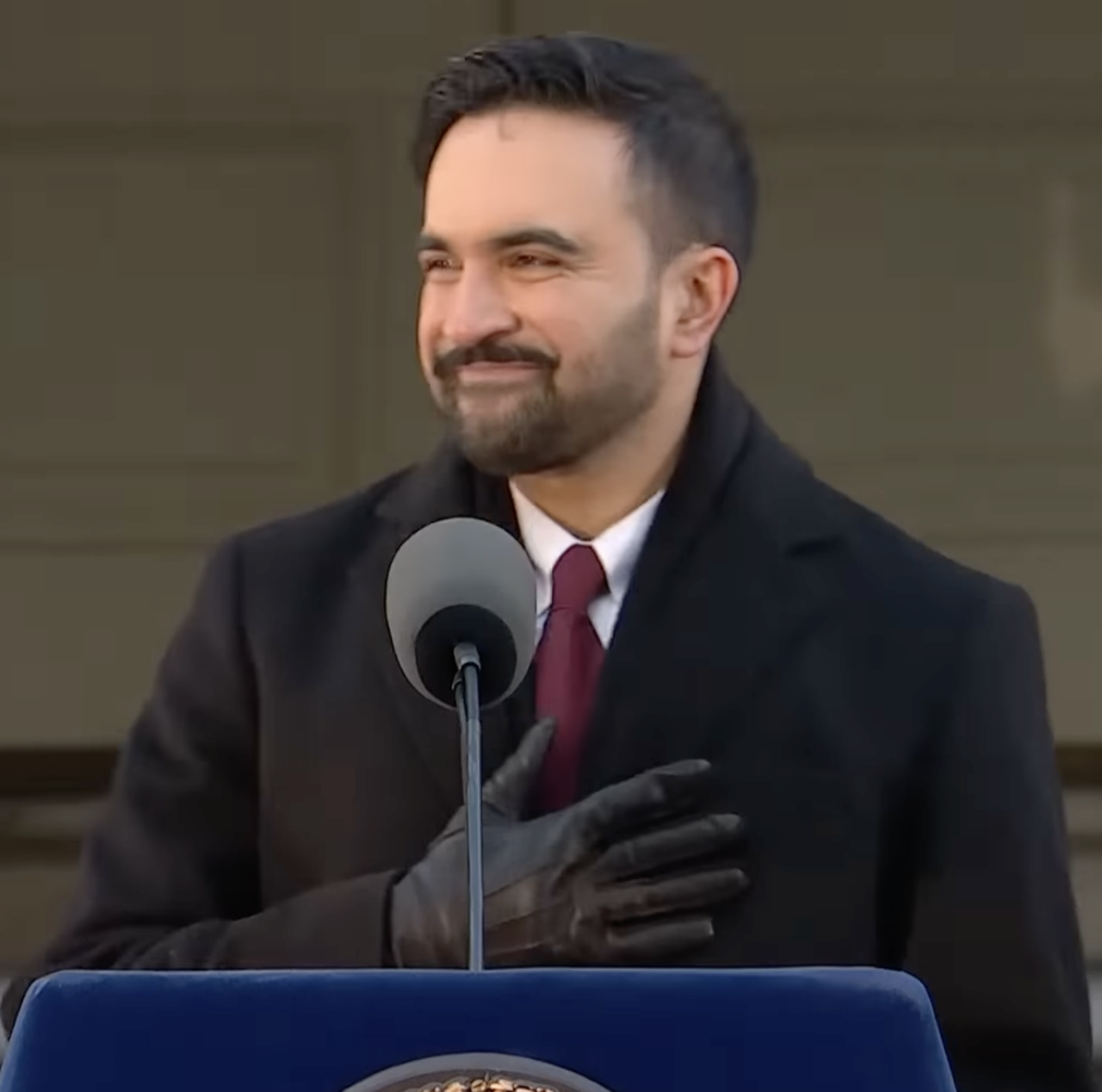
New York Democrats are entering a new political chapter, but not everyone agrees on where it should lead. As Mayor Zohran Mamdani advances his agenda, divisions within the Democratic Party are becoming more visible, especially in the city’s outer boroughs. The debate is no longer about the election. It is about how the party should govern and whether Mamdani’s progressive approach can unite a broad coalition.
Supporters argue that Mamdani was elected with a clear mandate to tackle New York City’s affordability crisis. His proposals focus on lowering everyday costs, expanding housing access, and increasing public investment in essential services. Backers believe these policies respond to the concerns of working families struggling with rising living expenses.
Not every Democrat shares that view. Some lawmakers and local party leaders worry that the mayor’s ambitious agenda could deepen political divisions and make it harder for moderate Democrats to win competitive districts. Representatives from parts of Queens, Brooklyn, Staten Island, and the Bronx have expressed concern that some proposals may not reflect the priorities of suburban and outer-borough voters.
The disagreement highlights a larger question facing the Democratic Party. Should it continue embracing progressive policies that energize younger voters, or should it move toward the political center to appeal to a wider electorate? That debate has intensified as Democratic Socialists have gained influence in several local races, giving progressives a stronger voice in shaping the party’s future.
Housing, public safety, taxes, and the cost of living remain at the center of these discussions. While many Democrats agree that New York needs solutions to these challenges, they differ on how quickly reforms should be introduced and how they should be funded. Some favor sweeping changes, while others prefer gradual policies that attract broader political support.
Political analysts say these internal differences are unlikely to disappear soon. Instead, they could shape candidate endorsements, legislative priorities, and campaign strategies ahead of future elections. At the same time, most Democratic leaders agree that maintaining party unity will be important as they prepare for statewide and congressional races.
For New Yorkers, the outcome of this debate could influence policies that affect housing costs, city services, transportation, and taxes. As the administration moves forward, residents can expect continued discussions over how best to balance progressive goals with practical governance.
The months ahead will show whether Democrats can bridge their differences or whether ideological divisions will continue defining the party’s direction. One thing is certain: the decisions made now will shape New York City’s political landscape well beyond the current administration.