

As political fights increasingly reach major public institutions, the John F. Kennedy Center for the Performing Arts has become the latest flashpoint in a dispute over who controls a federally chartered landmark. In Washington, a federal judge appointed by former President Barack Obama ruled on May 29 that adding President Donald Trump’s name to the Kennedy Center violated the law and ordered that the name be removed.
Judge orders Trump name removed from national arts center
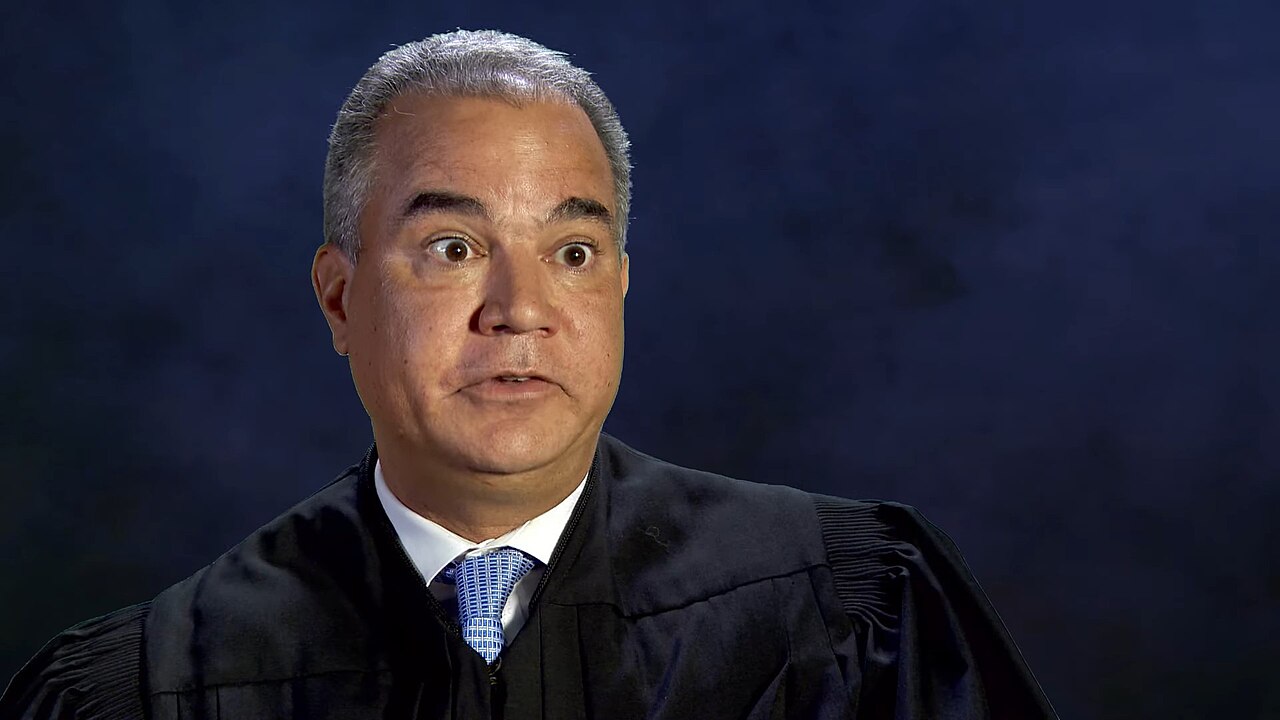
U.S. District Judge Christopher Cooper ruled that the Kennedy Center could not be renamed to include Trump’s name without an act of Congress, according to the court’s 94-page opinion issued May 29. Reuters reported that Cooper said federal law “makes crystal clear” that Congress named the center for President John F. Kennedy, and the board could not unilaterally change that designation. The order required the removal of Trump’s name from physical signage and official materials.
The case was brought by Democratic Rep. Joyce Beatty of Ohio, an ex officio Kennedy Center trustee, who challenged the move in federal court. According to court filings, Trump’s name had been placed on the front portico of the main building as part of a broader effort to call it the “Trump Kennedy Center.” Cooper found that action exceeded the board’s authority under the center’s governing law.
The ruling also addressed a separate plan to close the venue for a lengthy renovation. The judge said the board’s responsibilities include maintaining and operating a premier national arts venue, and he blocked the proposed two-year closure as the case moved forward, according to the opinion and Associated Press reporting.
The immediate effect of the ruling was felt in the District of Columbia, where the Kennedy Center sits along the Potomac River and operates as a federally chartered cultural institution. Reuters and ABC News reported that staff were directed in June to remove Trump’s name from signage to comply with the court order, and the Justice Department later told the court the name had been removed from the building and grounds.
What remains unresolved is whether Kennedy Center leadership will make another attempt to honor Trump while the appeal continues. An appeals court in July kept Cooper’s order in place during the administration’s challenge, according to Reuters, meaning Trump’s name was required to stay off the building for the time being. The appellate ruling did not decide the full merits of the case.
The board has not released a comprehensive public accounting of all branding, signage, or materials affected by the ruling. More recently, Associated Press reported that Kennedy Center trustees voted on August 13 to add Trump’s name back to the facade, setting up a direct clash with the standing court order and deepening uncertainty around compliance in Washington.
The legal dispute centers on the Kennedy Center’s federal charter and whether its board can alter the name Congress established. Cooper concluded that the governing statute reserves that naming authority to Congress, not trustees or the executive branch, according to the court opinion and Reuters coverage. That made the Trump renaming effort unlawful under the judge’s reading of the law.
The decision also reflects a broader struggle over control of high-profile civic institutions. Associated Press and court records show the lawsuit challenged not only the signage change but also management decisions affecting the center’s mission, including the attempted closure for renovations. Cooper wrote that the board had overstepped its statutory bounds by acting without congressional authorization.
For residents, visitors and ticket holders in Washington, the practical takeaway is narrow but significant: the Kennedy Center remains legally bound by the court order unless a higher court reverses it. As of mid-August 2026, the appeals process is still active, and the latest board action has raised the possibility of further court intervention if judges find the institution is not complying with the ruling.