

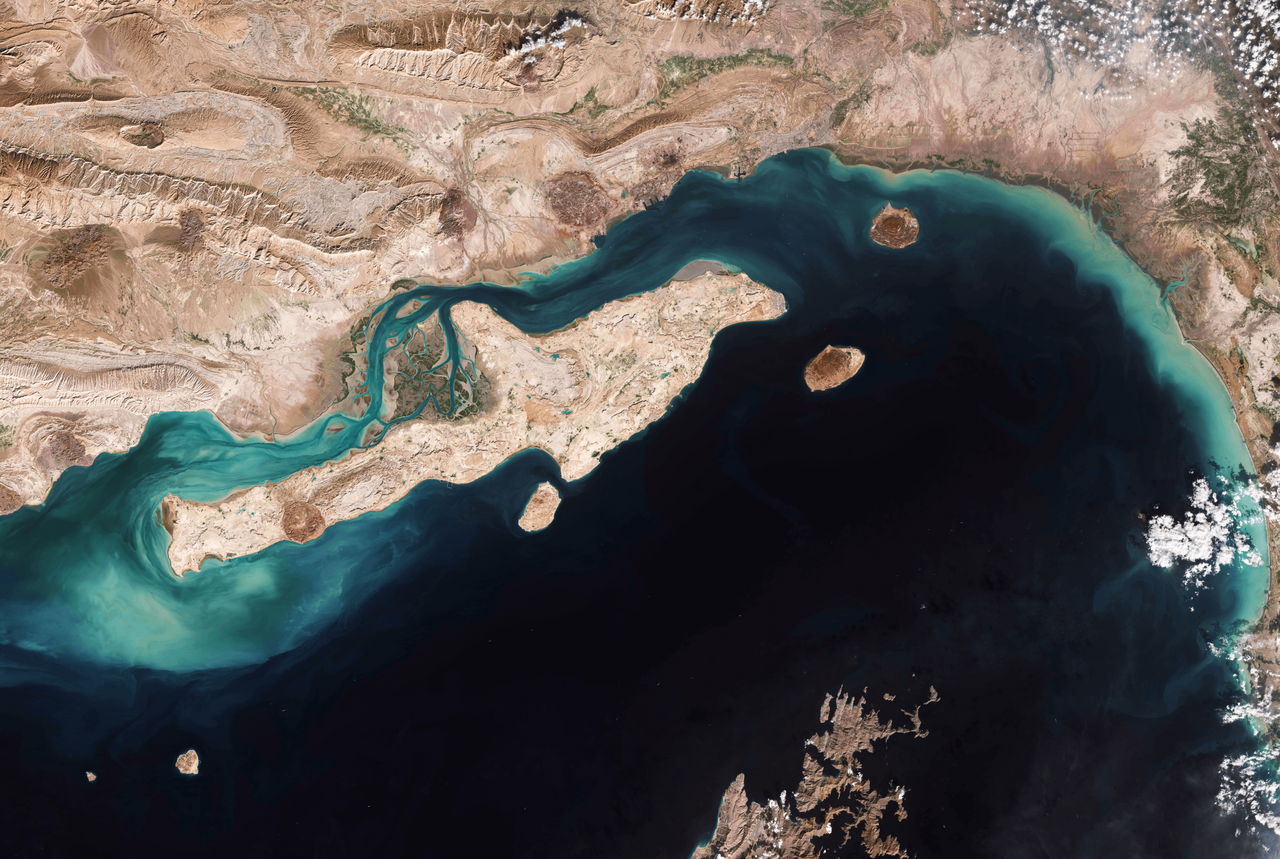
Global energy markets have spent months adjusting to a conflict that has not produced a full closure of the world’s most important oil chokepoint. The latest reporting points to a more durable stalemate, with the Strait of Hormuz still functioning at reduced levels and the war’s timeline now extending well beyond earlier expectations. That matters far beyond the Gulf because oil, shipping, insurance and inflation pressures continue to ripple through the United States and other importing economies.
A prolonged war takes shape around a partly functioning chokepoint
Reuters reported on August 13 that traders and policymakers were increasingly asking whether global oil inventories could absorb another six months of war, reflecting a widening view that the conflict was no longer a short disruption. That outlook followed Reuters reporting on August 6 that the war had entered its sixth month after U.S. and Israeli attacks on Iran began on February 28, and that President Donald Trump faced no clear exit path. The same Reuters analysis said Iran and Oman were discussing an interim arrangement that could give Tehran a larger role over ship movements through the Strait of Hormuz.
What has kept the conflict from triggering a total supply collapse is that Hormuz has remained only partly blocked rather than fully sealed. The U.S. Energy Information Administration said the strait carried about 20 million barrels a day in 2024, equal to roughly one-fifth of global petroleum liquids consumption, underscoring why even partial disruption has global consequences. The agency also said more than one-quarter of global seaborne oil trade and about one-fifth of global liquefied natural gas trade moved through the waterway.
Shipping data has shown both movement and constraint. USNI News, citing Lloyd’s List Intelligence, reported on July 10 that traffic had recovered to about 80% of pre-war flow after the June 17 ceasefire announcement, but not to normal levels. That same report said at least 58 attacks on vessels had been tracked since hostilities began, illustrating why shipowners and insurers still treat the route as a live war zone.
For U.S. readers, the immediate effect is less about physical shortages and more about prices, volatility and supply-chain costs. The Energy Information Administration said the United States imported about 0.5 million barrels a day of crude and condensate from Persian Gulf countries through Hormuz in 2024, equal to about 7% of total U.S. crude and condensate imports and about 2% of U.S. petroleum liquids consumption. That means the United States is less directly exposed than many Asian economies, but still vulnerable to higher benchmark oil prices and shipping disruptions.
What is confirmed is that reduced traffic through Hormuz has already strained the broader global market. Reuters reported on August 13 that Saudi Aramco’s chief executive estimated the world had lost 2.6 billion barrels of oil since the war began, which Reuters calculated as the largest cumulative supply disruption on record apart from the 1979 Iranian revolution. Reuters also reported on August 14 that transit through the strait had appeared to slow to a near standstill after additional ship attacks, while U.S. officials signaled pressure on Iran could continue indefinitely.
What remains unclear is how quickly a stable shipping framework could be restored. Reuters reported on August 8 that Iran said a deal with Oman on control of the strait was close, but Tehran also said that would not be enough by itself to reopen the waterway fully. No final settlement terms have been publicly confirmed, and neither side has presented a comprehensive timetable for full commercial normalization.
The central reason analysts see a longer war is that partial flow changes the incentives for both sides. A complete closure of Hormuz would create an immediate, overwhelming energy shock and likely force faster decisions in Washington, Tehran and allied capitals. But a constrained corridor that still lets some oil and gas move eases the most acute pressure, even while preserving Iran’s leverage over shipping and keeping military and diplomatic tensions active.
Reuters reported on August 6 that one option under discussion would effectively recognize a new Iranian reality in the strait, while another would involve sharper escalation and fresh strikes. Analysts cited by Reuters said those were both politically costly choices for the White House. In practice, that leaves a status quo in which shipping continues unevenly, retaliation remains possible, and no side secures a decisive outcome.
For consumers and businesses, the practical implication is continued instability rather than a single shock event. The Energy Information Administration has said only limited pipeline alternatives exist for moving Gulf crude around Hormuz, although Saudi Arabia and the United Arab Emirates do have some bypass capacity. As long as the strait remains partly open and partly contested, fuel prices, freight costs and market risk are likely to stay sensitive to each new attack, ceasefire breakdown or shipping agreement.