

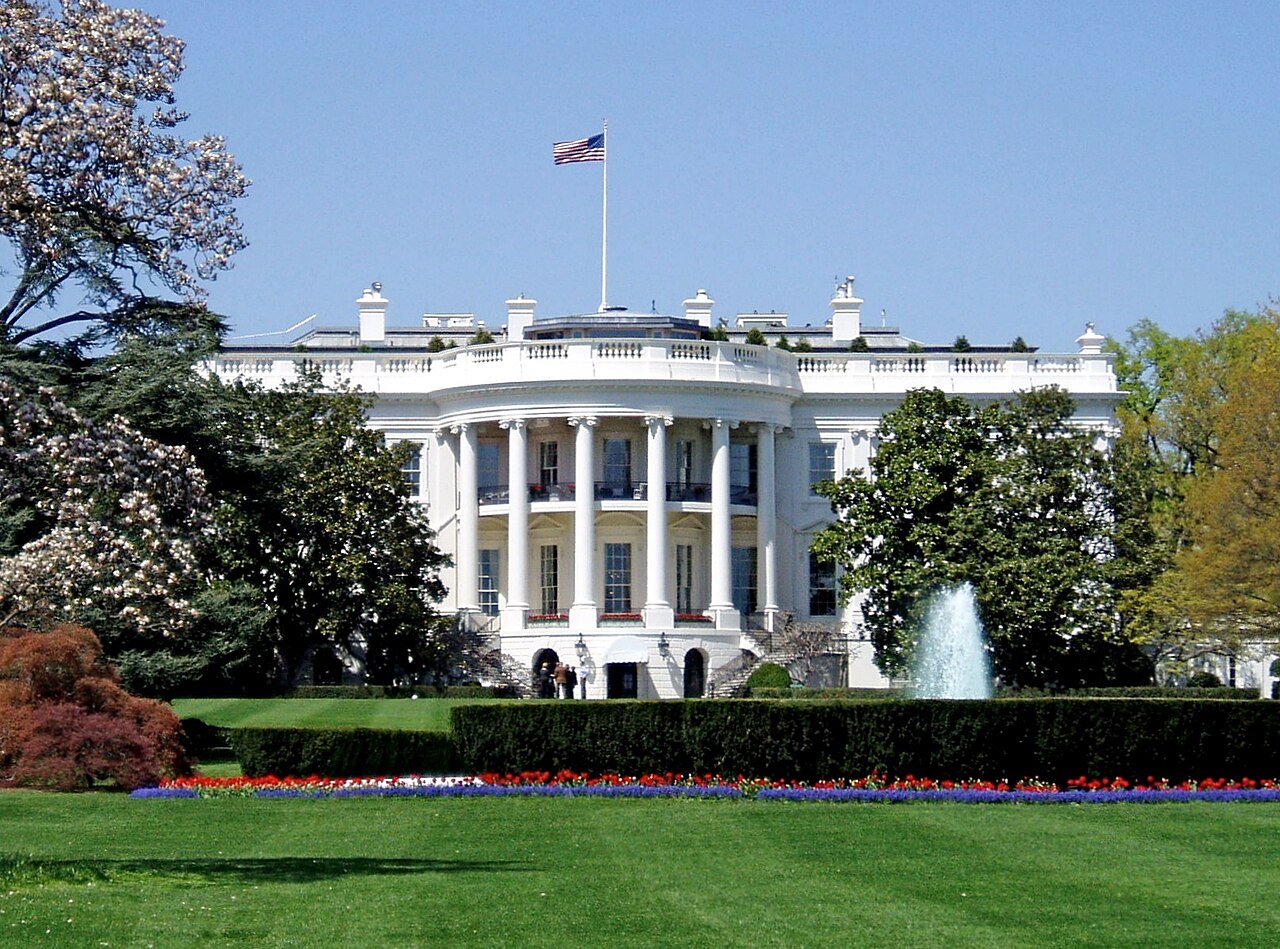
Turnover among senior aides is common in every White House, especially as an administration moves deeper into its term and begins planning for midterm elections. In President Donald Trump’s White House, that pattern has come into sharper focus this month with several closely watched departures involving some of his most visible advisers. The exits do not by themselves confirm internal turmoil, but they do mark a notable period of transition inside a West Wing already under pressure from legal, political and national security demands.
A cluster of high-profile departures has now been confirmed
The clearest recent departure came on August 12, when Trump announced that White House press secretary Karoline Leavitt would leave at the end of the month. Reuters and the Associated Press reported that Trump described Leavitt as one of his most trusted aides and said she would remain involved as an outside adviser. Leavitt later said she was stepping away to spend more time with her young children.
That move followed another senior staffing change days earlier. On August 9, Trump announced that White House staff secretary Will Scharf would become White House counsel effective September 1, replacing David Warrington, who Trump said was leaving for the private sector. The Associated Press and Reuters both reported the change as a formal transition in one of the administration’s top legal posts.
Those exits came on top of changes in the national security apparatus. Reuters reported on August 14 that deputy national security adviser Andy Baker would leave in the coming weeks, the latest adjustment to a team that had already undergone months of reshuffling. Taken together, the confirmed changes amount to at least three senior departures or replacements announced publicly in less than one week, an unusually compressed stretch for high-ranking White House roles.
These departures are centered in Washington, D.C., where the White House press office, counsel’s office and National Security Council all play central roles in day-to-day federal decision-making. What is confirmed is that the staffing changes affect some of the administration’s most visible operations: message control, legal strategy and foreign policy coordination. What is not yet known is whether additional aides are preparing to leave or whether Trump intends a wider reorganization before the fall campaign season.
The White House has not released a comprehensive list of all recent staff exits across senior offices. Public announcements have instead come one role at a time, leaving outside observers to piece together the scale of change from official statements and reporting by Reuters, AP and other outlets. That means it is still too early to quantify whether this is a short burst of routine turnover or part of a more extensive internal reset.
For federal agencies and political operatives around the capital, the changes matter because personnel often shape process as much as policy. A press secretary manages public response, White House counsel helps navigate executive power and investigations, and a deputy national security adviser influences interagency coordination. Even when successors are named quickly, the transition period can alter how decisions are communicated and carried out.
There are routine explanations for some of these exits. Leavitt said publicly that family considerations drove her decision, and Trump framed Warrington’s departure as a move to the private sector. On their face, those reasons fit the kind of personal and professional changes seen in many administrations.
At the same time, Reuters has reported that Trump’s broader national security team has been through repeated shake-ups in recent months, and earlier reporting in 2025 documented pressure on career officials at the State Department and National Security Council during the administration’s effort to install loyal personnel. That history gives the latest departures added significance because they come after a longer period of staffing churn, not in isolation.
For readers trying to assess what this means next, the most factual conclusion is a narrow one: several top Trump aides are leaving or changing roles at a politically sensitive moment, just months before the 2026 midterms. That does not prove turmoil on its own, because White House turnover can stem from strategy, exhaustion, family choices or career moves. What it does mean is that Trump is entering a critical political stretch with new people taking over key posts, and the administration has said more staffing announcements could follow as those transitions take effect.