

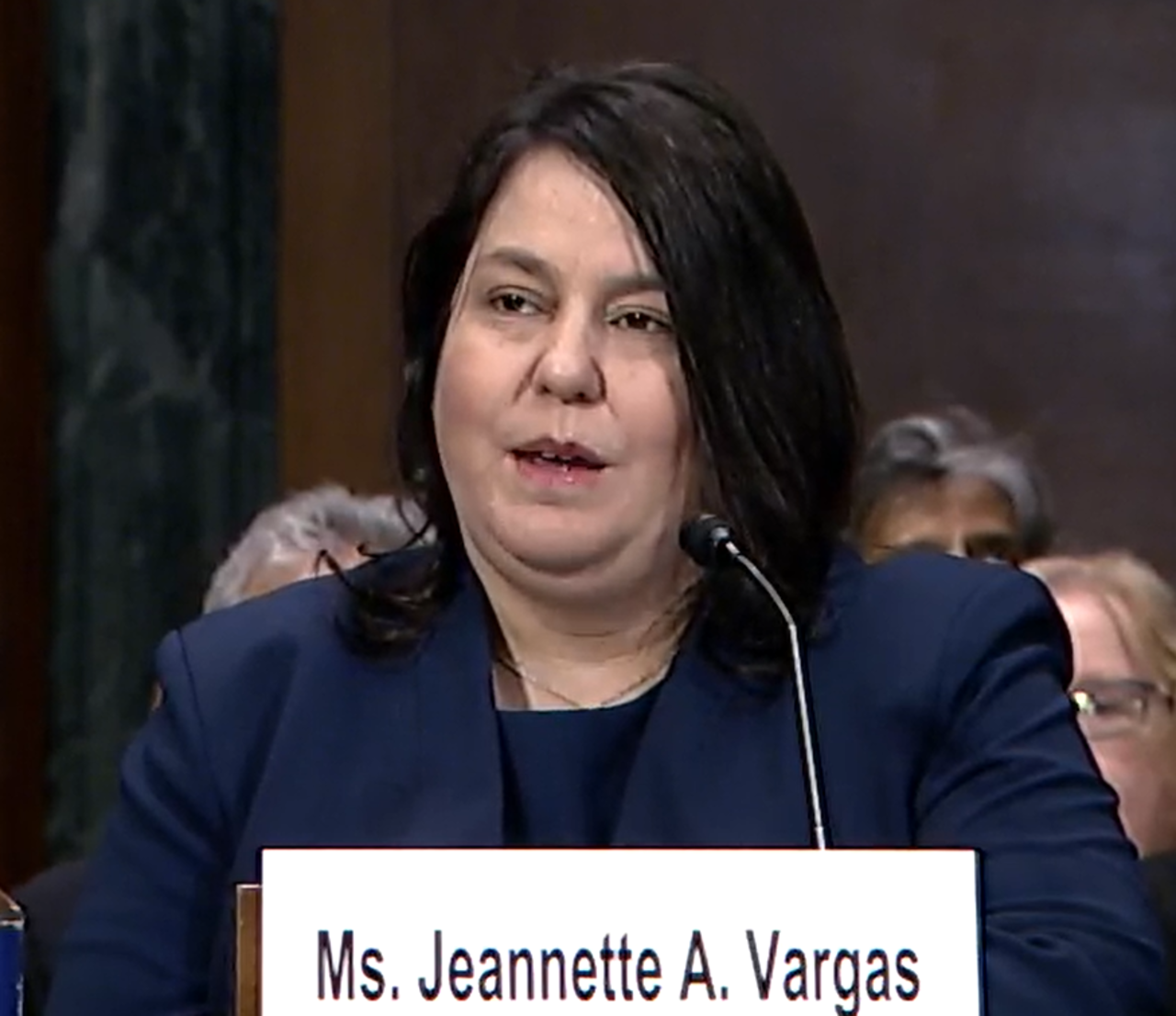
A new federal court ruling has delivered another legal setback to the Trump administration’s immigration agenda. On August 21, 2026, U.S. District Judge Jeannette Vargas in Manhattan struck down a State Department policy that had suspended immigrant visa processing for applicants from 75 countries, turning a broad national immigration dispute into an immediate question for families waiting on consular decisions.
The case centers on legal immigration, not unauthorized border crossings, and on whether the secretary of state could impose a nationality-based halt on immigrant visa issuance. The ruling now puts pressure on the State Department to determine how quickly visa cases that were refused or paused under the policy will return to regular processing.
Judge Jeannette Vargas sets aside the 75-country visa policy
Judge Jeannette Vargas of the Southern District of New York ruled on Friday, August 21, that the Trump administration’s immigrant visa freeze for nationals of 75 countries was unlawful. According to Reuters and the Associated Press, Vargas said the State Department policy announced in January was “patently unlawful,” exceeded Secretary of State Marco Rubio’s statutory authority, and conflicted with the Immigration and Nationality Act.
The policy had instructed consular officers to stop issuing immigrant visas to eligible applicants from 75 countries spanning Latin America, the Balkans, South Asia, Africa, the Middle East and the Caribbean. Reuters reported that the administration had defended the policy as part of a broader effort to prevent immigrants who might become a “public charge” from entering the United States. Vargas rejected that structure in legal terms, writing that federal immigration law does not give the secretary of state authority to categorically bar visa issuance based on nationality.
The court also set aside visa refusals that had been based solely on the policy, according to ABC News. That means the ruling did more than criticize the program in theory; it directly affected cases that were denied or stalled under the January guidance.
Because the ruling came from a federal court in Manhattan, New York is the immediate venue tied to the case, but the practical effect reaches far beyond one state. The plaintiffs included immigrant rights groups Catholic Legal Immigration Network and African Communities Together, along with immigrant visa applicants and U.S. citizens sponsoring relatives from affected countries, according to Reuters and ABC News.
For New York residents with family members abroad, the most immediate confirmed impact is that nationality alone can no longer be used under this policy to block immigrant visa issuance. Families in the state who were pursuing spouse, parent, or child immigration cases may now see previously refused or paused files sent back to consular officers for reconsideration under existing immigration law.
What is not yet known is how quickly that review will happen, how many New York-based families are affected, or whether the administration will seek an appeal or a stay. The State Department had not immediately responded publicly after the ruling, according to Reuters, and it has not released a state-by-state breakdown of impacted visa cases.
The legal fight grew out of the administration’s January decision to suspend immigrant visa processing for nationals of 75 countries under a public-charge rationale. News reports said the government argued that applicants from those countries posed a higher risk of relying on government resources in the United States, but the court found that rationale could not override the statutory framework Congress created for visa adjudications.
Vargas’ ruling fits into a larger pattern of court scrutiny over recent immigration restrictions. The Associated Press reported that another federal judge in June blocked a separate Trump administration policy that made it harder for immigrants from dozens of countries to enter and remain in the United States, affecting benefits tied to asylum, work permits, green cards and citizenship pathways.
For residents and sponsors waiting on legal immigration cases, the practical takeaway is narrow but significant. The ruling does not automatically grant visas, but it requires adjudications to return to the normal legal process rather than a blanket nationality-based freeze, and further changes will depend on the State Department’s implementation and any appeal the administration may file.