

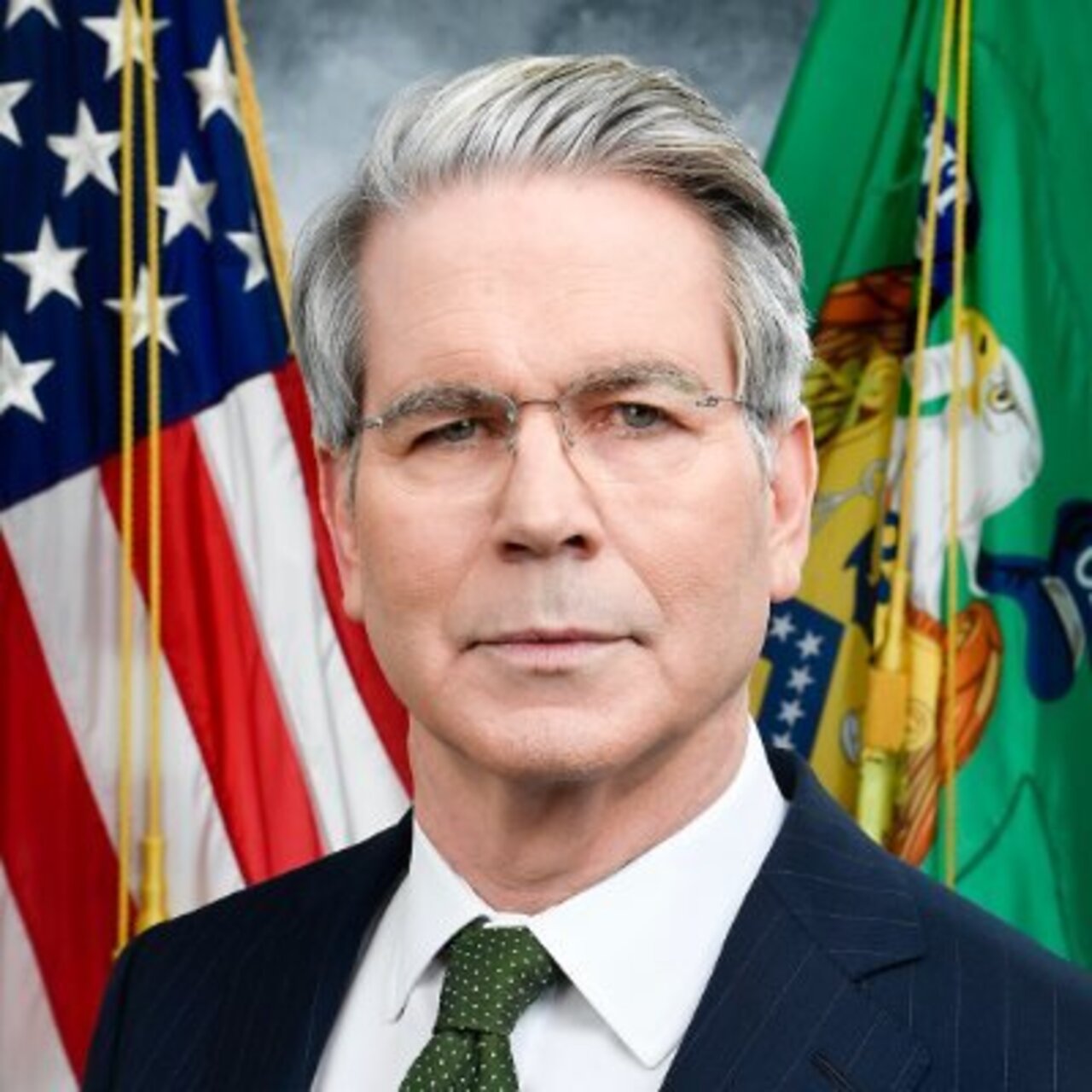
The U.S. and Iran have moved into a new phase of confrontation as the Trump administration shifts emphasis from military pressure to economic penalties. That broader strategy narrowed on August 24 and August 25, when Treasury Secretary Scott Bessent framed a new sanctions push as “economic D-Day” and Iranian officials answered that Tehran was “fully prepared.” The exchange underscores how sanctions, shipping, oil sales and diplomacy are now central to the conflict’s next stage.
The sanctions campaign and Iran’s response
Treasury Secretary Scott Bessent said the United States was beginning what he described as the “single greatest financial offensive ever marshalled against an adversary,” according to Reuters reporting published August 23 on his Financial Times opinion essay and administration remarks. The sanctions push was designed to pressure Iran’s trade partners and cut off revenue linked to Tehran’s oil sales, shipping networks and access to the dollar-based financial system, Reuters reported. The administration had also warned that countries and companies maintaining economic ties with Iran could face secondary sanctions.
On August 24, Bessent said the effort would be backed by direct outreach from U.S. officials to governments and companies the administration wants to see reduce or end dealings with Iran, according to the Associated Press. A day later, the Treasury Department announced sanctions on more than 60 Iran-linked individuals, entities and vessels, according to Reuters and Axios. Those measures widened the pressure campaign, though public reporting indicated they stopped short of immediately targeting major Chinese financial institutions.
Iran responded by dismissing the pressure as ineffective and politically motivated. Reuters reported on August 25 that Iranian Economy Minister Ali Madanizadeh said, “We are fully prepared for the U.S. sanctions,” while describing the expected measures as an economic attack. Earlier, Iranian officials had said new U.S. penalties would fail and would not weaken Tehran’s resolve, according to Reuters and AP.
The immediate impact is international rather than local, centered on Iran’s remaining oil customers, shipping intermediaries and foreign firms that handle payments, insurance or logistics. U.S. officials have confirmed the administration is using secondary sanctions, a tool aimed at non-U.S. actors that do business with sanctioned parties, according to AP and Reuters. That matters because it broadens pressure far beyond American companies and banks.
What remains unclear is how far Washington is prepared to go in practice. Reuters and AP both reported that the administration has described the coming measures as unprecedented, but the first announced package did not include some of the biggest outside players often cited in discussions of Iran’s oil trade, especially major Chinese banks. Axios also reported that the promised “D-Day” moment passed with less immediate escalation than some earlier rhetoric suggested.
It is also not yet known how quickly foreign governments or firms will change behavior. The administration has not publicly released a comprehensive list of every company or country under review for additional penalties. That leaves open key questions about enforcement, timelines and whether the campaign will expand in stages rather than through one sweeping move.
The sanctions drive comes as the White House seeks leverage without committing to a fresh round of large-scale military action. AP reported that the economic campaign is intended to force concessions from Tehran, including pressure tied to Iran’s nuclear program and maritime security in and around the Strait of Hormuz. Axios separately reported that Secretary of State Marco Rubio had told allies the U.S. was shifting, at least for now, from strikes toward sanctions.
Analysts and recent reporting suggest the success of that strategy may depend heavily on China. AP noted that China remains a major buyer connected to Iran’s oil trade, which could limit how much damage sanctions can do if Beijing or Chinese-linked intermediaries keep channels open. Reuters and AP also reported that Iran has lived under decades of sanctions, giving its leadership experience in rerouting trade and adapting to restrictions even as the economy remains under strain.
For residents and businesses watching from the U.S., the practical takeaway is that this remains a live foreign-policy and energy-market story, not a one-day announcement. More sanctions could still be added, especially if Washington concludes the first round is not changing behavior. For now, the official record shows a substantial new package, aggressive rhetoric from U.S. officials, and a public message from Tehran that it does not intend to yield quickly.