

A new federal pay dispute is colliding with the government’s effort to strengthen aviation staffing and modernize the air traffic system. The warning is coming from the union that represents thousands of FAA employees who inspect aircraft operations and support the infrastructure behind the national airspace system. The issue surfaced after President Donald Trump formally sent Congress his alternative pay plan for 2027.
FAA union says proposed freeze could drive earlier retirements
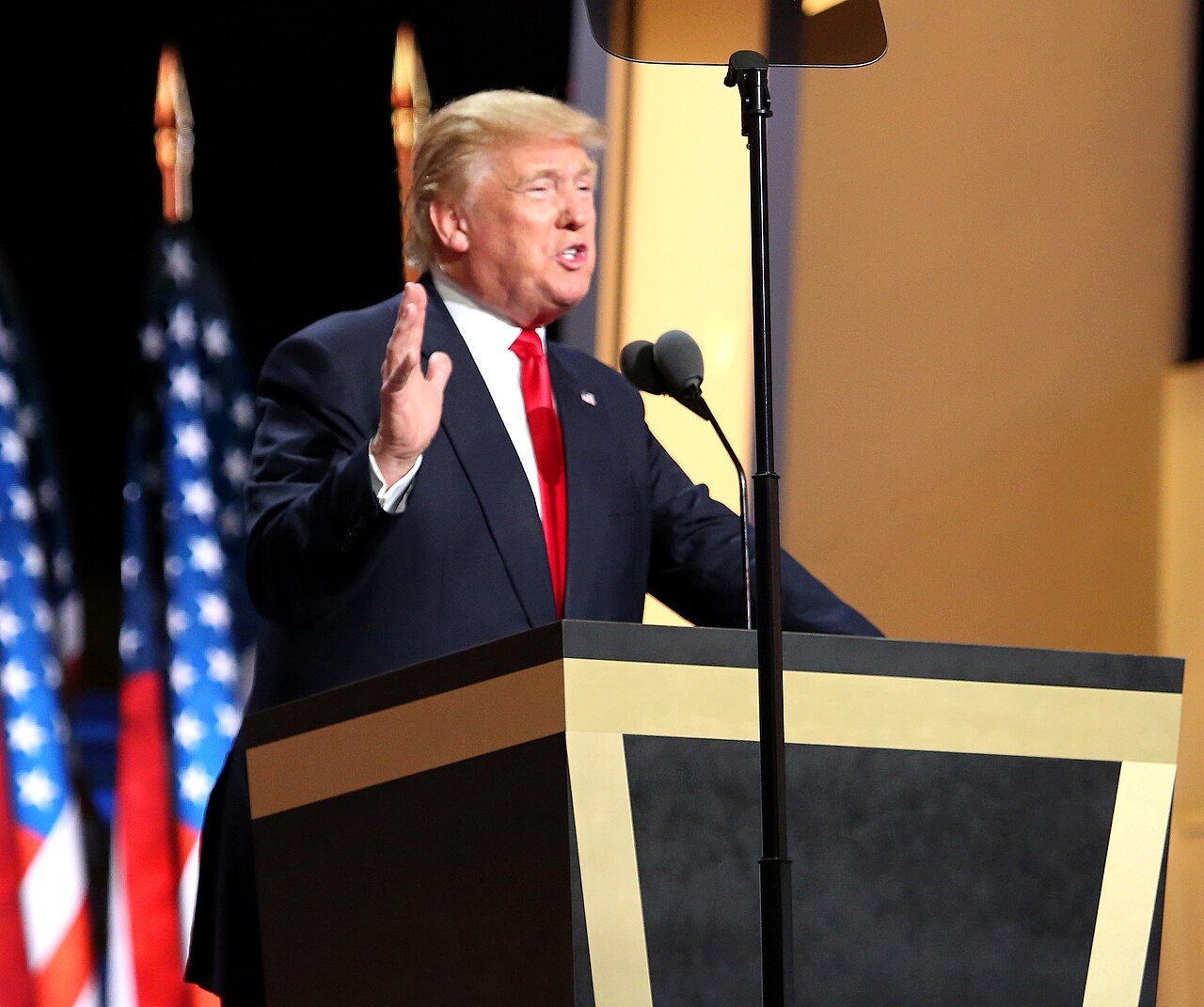
President Donald Trump officially proposed a pay freeze for most civilian federal employees in 2027 in an alternative pay plan transmitted to Congress on August 28, according to Federal News Network. The plan would keep both base pay and locality pay at 2026 levels for most civilian workers, while carving out larger raises for federal law enforcement and military personnel. Under the Federal Employees Pay Comparability Act, presidents submit those plans by Sept. 1 to prevent larger automatic increases from taking effect.
The sharpest warning in aviation came from the Professional Aviation Safety Specialists, or PASS, which represents about 11,000 FAA employees, including aviation safety inspectors and workers who maintain and certify air traffic control systems, according to the union. PASS National President Dave Spero said the freeze would make it harder to keep and recruit workers in safety-critical jobs. He said aviation safety inspectors and other key employees “will begin to retire” if pay remains flat.
PASS also tied the pay issue to the FAA’s current staffing plans. In a statement published by the union and echoed by Government Executive, Spero said the FAA’s workforce plan to hire an additional 750 technicians had just become harder to carry out. The union said stagnant pay would undermine morale and retention at a time when the agency says it is trying to rebuild staffing and modernize operations.
The consequences described by PASS are national because FAA inspectors, technicians and support workers are deployed across the country, including in field offices, airports and air traffic facilities. But neither the White House nor the FAA has released a state-by-state estimate showing how many safety inspectors might retire early or how many local vacancies could become harder to fill if the freeze takes effect. That means the practical effect on any one state or metro area is not yet publicly quantified.
What is confirmed is that the FAA is in an active hiring and modernization cycle. In May 2026, the FAA said it had about 11,000 certified professional air traffic controllers in place across more than 300 facilities, with about 4,000 more controllers in the training pipeline. The agency also said it submitted workforce plans to Congress covering air traffic controllers, airway transportation systems specialists and aviation safety personnel.
PASS said its members are directly involved in maintaining, supporting and certifying the systems behind the national airspace network. That gives the pay fight significance beyond Washington payroll policy, because those employees oversee equipment, inspections and operational support tied to commercial and general aviation. The FAA has not released a comprehensive public list showing which regional offices or facilities would face the greatest retention risk if retirements increase.
The administration framed the 2027 freeze as a fiscal decision. In the alternative pay plan, Trump said holding civilian pay at current levels would maintain fiscal responsibility and would not harm the government’s ability to recruit and retain qualified employees, according to Federal News Network. Congress could still act differently, but federal pay levels are typically finalized later in the year through an executive order.
Unions and federal workforce groups are disputing that assessment. PASS said flat pay would amount to an effective pay cut as living costs continue to rise, and Government Executive reported that other federal employee groups made similar arguments, including concerns about inflation, benefit costs and future retirement calculations tied to workers’ highest three earning years. Those factors, union leaders said, can influence both take-home pay and retirement timing.
For travelers and residents, there is no immediate announced change to inspections, airport operations or FAA service levels. What the dispute means right now is that a key FAA labor group is publicly warning that retention could worsen just as the agency says it needs more people to meet staffing and modernization goals. The FAA has said it wants to expand hiring in coming years, including thousands of controller hires and additional staffing plans for other aviation safety roles.