

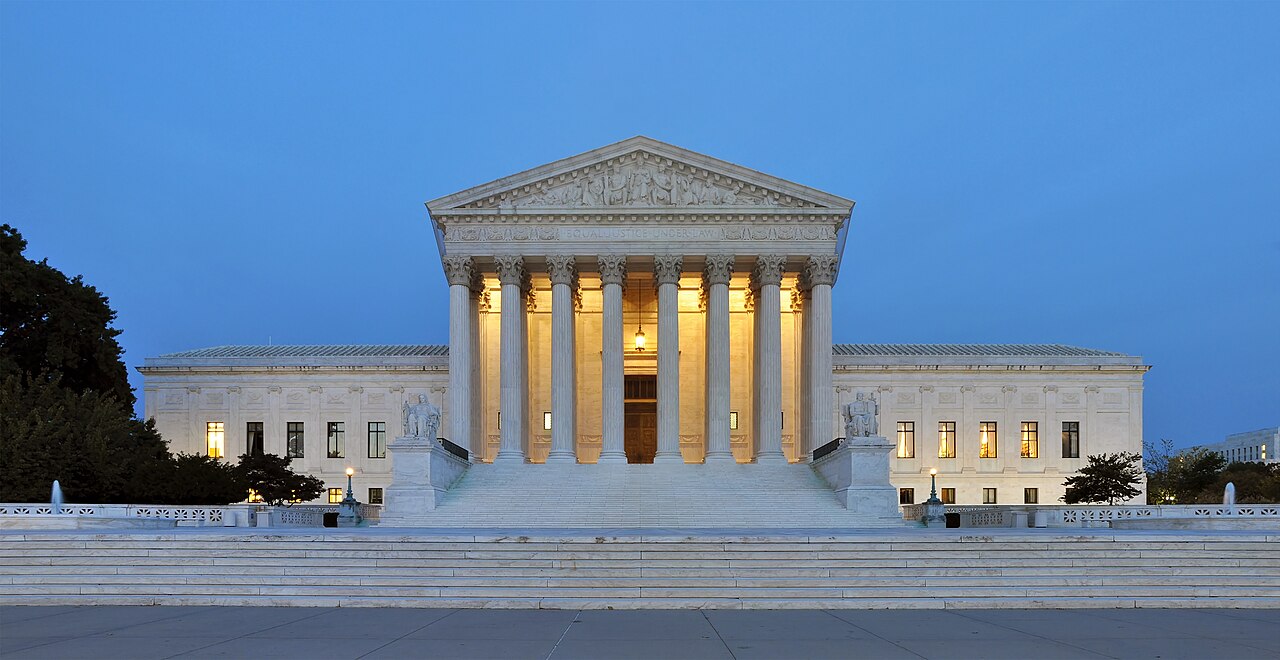
National fights over the U.S. Supreme Court have become a regular part of congressional messaging as both parties try to turn court decisions into campaign issues. That dynamic was on display in Washington on September 2, when House Republicans staged a vote aimed at putting Democrats on the record over whether the court should remain at its current size. The outcome did not change the law, but it highlighted a split that Democrats have spent years trying to manage.
House Republicans force a vote tied to the size of the court
House Democrats defeated a Republican-backed constitutional amendment on September 2 that would have permanently capped the U.S. Supreme Court at nine justices, according to Reuters. Reuters reported that Republicans used the vote to press Democrats on proposals that would expand the court after years of conservative rulings on abortion, voting rights and federal power.
The court has had nine seats since 1869, but the issue remains politically charged because the current 6-3 conservative majority was cemented after President Donald Trump appointed three justices, Reuters reported. Republicans argued that writing the number into the Constitution would block future efforts to add seats if Democrats regain power in Washington.
Democrats did not line up behind one broad message beyond opposing the amendment itself. Some Democrats have previously endorsed structural changes to the court, including expansion, while others have rejected adding seats and instead backed narrower changes such as ethics rules or term limits. Reuters described the vote as part of a Republican effort to make internal Democratic differences over court reform more visible ahead of the November elections.
Because the measure failed in the House, there is no immediate operational change for the Supreme Court, the federal judiciary or residents in any single state. What is confirmed is that Republicans used floor time to elevate the court as a national campaign issue, while Democrats blocked the amendment rather than coalescing around a single alternative, according to Reuters.
What remains unclear is whether Democratic leaders will unify around any specific court proposal before the election. Reuters reported that the party includes lawmakers who favor stronger structural changes and others who see court expansion as politically risky. The House vote did not produce a new Democratic reform package, and congressional leaders have not released a single, comprehensive plan that would command support across the caucus.
For voters, that means the immediate effect is mostly rhetorical rather than legal. The Supreme Court remains at nine members, and no new expansion measure is advancing in the Republican-controlled House. The more practical significance is that future control of Congress could shape whether proposals involving court size, ethics standards or term limits receive serious consideration.
Reuters reported that Republicans scheduled the vote to draw attention to liberal frustration with the Supreme Court and to cast Democrats as open to changing the rules when they disagree with decisions. That strategy reflects how the court has become central to partisan battles after major rulings on abortion, voting rights and presidential power.
Democrats, meanwhile, have not settled on one answer to concerns about the court. Reuters reported that some favor expansion, while others prefer measures short of adding seats. President Joe Biden previously endorsed Supreme Court reforms including term limits and a binding ethics code, according to Reuters, while House Republican leaders said those ideas would not move in their chamber.
For residents following the issue, the next step is not a change in the number of justices but continued political pressure around the court’s role in national life. Any lasting reform would still require major action from Congress and, in the case of a constitutional amendment, overwhelming support far beyond a simple House majority. For now, the September 2 vote stands mainly as a marker of how sharply Republicans want to campaign on the court and how uneven Democratic agreement remains.