

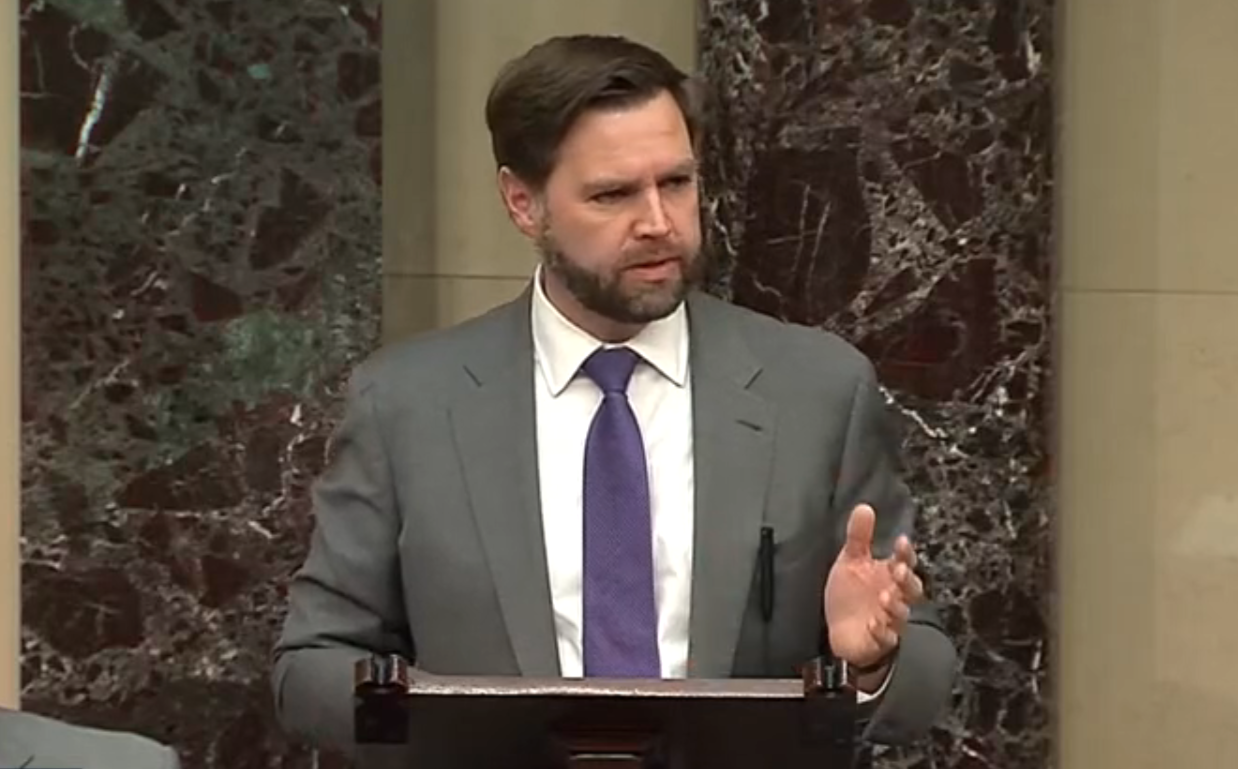
The Trump administration has made fraud enforcement in federal benefit programs a central policy focus in 2026. On September 22, Vice President JD Vance said that effort now includes a large-scale Affordable Care Act marketplace crackdown targeting hundreds of thousands of suspected improper enrollments across the federal exchange.
CMS says 315,000 plans are being canceled, affecting more than 760,000 people
Vance announced the action at the White House on September 22, saying the administration was stopping Obamacare enrollment for about 750,000 people it believes were improperly or fraudulently enrolled. The Centers for Medicare & Medicaid Services said in a September 22 statement that it is canceling approximately 315,000 unauthorized enrollments covering more than 760,000 individuals. Reuters and the Associated Press both reported that the administration said the effort could save roughly $2.2 billion in taxpayer-funded subsidies.
CMS said the review is part of a broader anti-fraud strategy inside the federally facilitated marketplace. According to the agency, the action includes removing existing unauthorized enrollments, increasing oversight of agents and brokers, and requiring electronic consumer authorization before a broker can make enrollment changes. Federal officials also said some enrollees were flagged because of unverified citizenship or immigration documentation and other suspected improper enrollment patterns.
The scale is significant when compared with the overall ACA marketplace. The Department of Health and Human Services has said roughly 19.2 million Americans were actively enrolled in ACA marketplace plans as of early 2026, according to reports from AP and ABC News citing federal data. That makes the current action one of the largest targeted removals ever announced for the federal exchange.
Because the federal marketplace serves residents in multiple states, the immediate impact is expected to be spread widely rather than concentrated in a single city or region. CMS has confirmed the total number of enrollments under review and the number of canceled plans, but it has not released a comprehensive state-by-state breakdown of affected enrollees. That means residents, insurers, and brokers do not yet have a public list showing which states account for the largest share of cancellations.
What is known is that the action applies within the federal marketplace and includes stronger controls on broker activity ahead of the next open enrollment period. CMS said newly registered brokers in 2026 were linked to unusually high levels of agent-assisted enrollments compared with brokers who had registered before this year. The agency also said it is working with insurers to identify suspected unauthorized enrollments and cancel confirmed cases.
What remains unclear is how many people may ultimately regain coverage after verification, how many were enrolled without their knowledge, and how many cases involve documentation problems rather than intentional fraud. Administration officials have described the initiative as targeted at improper enrollments, but public reporting so far has not included a full state-level accounting or a public roster of affected consumers.
Federal officials have framed the crackdown as both an anti-fraud measure and a budget issue. CMS said the removals are expected to return about $2.2 billion in subsidies, and Vance said the administration is trying to ensure that only eligible people receive taxpayer-funded ACA assistance. CMS also linked the move to new controls on agents and brokers, including tighter oversight and a requirement for direct electronic consumer authorization.
Reporting from AP said the administration’s announcement comes as inflation and rising healthcare costs continue to shape the national affordability debate heading into the midterm cycle. CMS has also pointed to broader program-integrity concerns in prior reviews, including duplicate or overlapping government health coverage cases identified in earlier marketplace and Medicaid checks. Those earlier findings help explain why federal officials are now emphasizing verification systems and broker conduct inside the exchange.
For consumers, the practical takeaway is that eligibility checks and enrollment verification are becoming more aggressive in the federal marketplace. People who buy ACA coverage through the exchange may see more documentation requirements or confirmation steps, especially when a broker is involved. CMS said the policy changes are intended to be in place before open enrollment, leaving the next federal enrollment season as the clearest test of how the crackdown changes marketplace operations.