

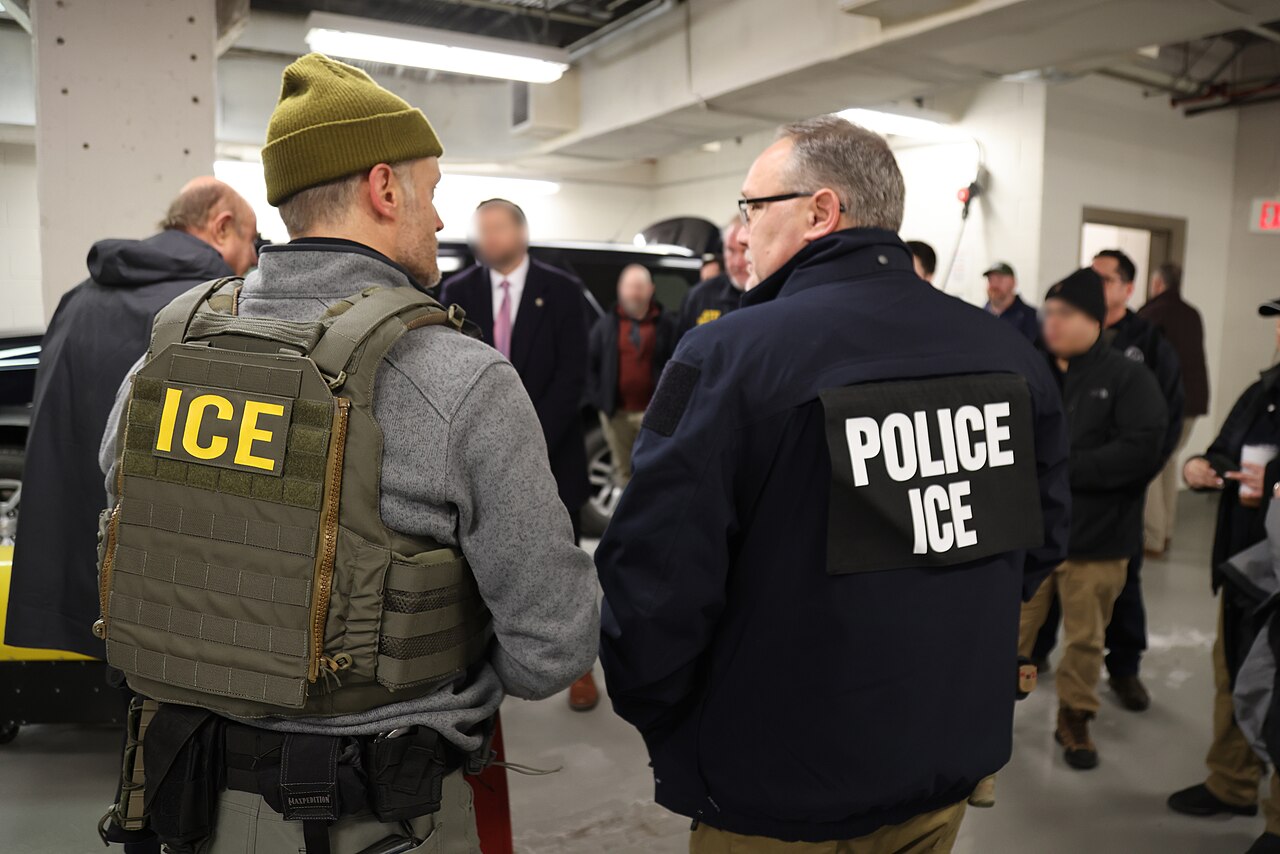
Federal immigration enforcement tactics have drawn mounting national attention as court filings, video evidence and judicial orders increasingly test the government’s public account of street operations. That scrutiny sharpened in Minneapolis, where the January 24, 2026, encounter involving U.S. citizen Alex Pretti became one of several cases cited by Reuters in a broader review of disputed federal narratives around immigration enforcement.
Federal agents’ account faced immediate scrutiny after the Minneapolis encounter
Reuters reported that Alex Pretti, a 37-year-old U.S. citizen, was fatally shot by federal agents in Minneapolis on January 24, 2026, after officers forced him to the ground during an attempted detention. Video verified by Reuters showed Pretti holding a cell phone, not a gun, as agents wrestled him down. The same reporting said an officer removed Pretti’s holstered firearm shortly before shots were fired.
The Department of Homeland Security initially said Pretti approached Border Patrol officers with a handgun and violently resisted efforts to disarm him. Reuters said the video evidence conflicted with that description, adding to questions about how quickly federal officials described the encounter before key facts were publicly established. White House press secretary Karoline Leavitt later said the administration wanted the investigation to continue and for the facts to lead.
The Reuters review placed the Minneapolis case among six violent encounters in which video, court filings or later evidence contradicted early official statements. Former DHS press secretary David Lapan told Reuters that the pattern marked a break from past federal practice, where agencies were generally more cautious before publicly defending officers involved in disputed incidents.
In Minneapolis, the Pretti case has taken on broader significance because it unfolded amid an expanded federal immigration crackdown that had already produced protests, shootings and legal disputes in the Twin Cities. Reuters reported that local tensions grew as residents and local officials questioned both the tactics used by federal agents and the speed of the government’s public messaging after violent encounters.
What is confirmed is that the January 24 confrontation ended with Pretti dead and that Reuters verified footage showing him pinned down while holding a phone. What remains unresolved publicly is the full sequence of decisions by the agents on the ground, including exactly how the use of force escalated after Pretti was restrained. Federal officials have not publicly released a full investigative record in the case.
The Minneapolis incident also followed other enforcement actions in which official descriptions later faced challenges. Reuters reported that in another Minnesota case, FBI court documents showed officers had pursued the wrong vehicle before a separate shooting. That broader context has made Minneapolis a central reference point in ongoing debate over accountability, evidence preservation and public transparency in federal immigration operations.
The broader reason this case has drawn such close attention is that it fits into a documented pattern of disputes over federal immigration enforcement narratives, according to Reuters reporting and court records. Reuters said its review found multiple cases in Minneapolis, Chicago and Texas where official statements were later challenged by body camera footage, witness video or sworn affidavits.
In Chicago, Reuters reported that U.S. citizen Marimar Martinez was shot five times on October 4, 2025, after a collision with a Border Patrol agent’s vehicle during “Operation Midway Blitz.” Martinez said the federal vehicle rammed her car. Prosecutors later moved to dismiss the federal case against her on November 20, saying they were reviewing new facts and information, according to Reuters.
Federal judges have also raised concerns about agent conduct. Reuters reported that U.S. District Judge Sara Ellis in Chicago ordered federal immigration officers involved in enforcement actions there to use body cameras and previously required visible identification and warnings before using crowd-control weapons. For residents, that means the Minneapolis case is not being viewed in isolation but as part of a larger legal and public-accountability fight over how immigration operations are being carried out and described.