

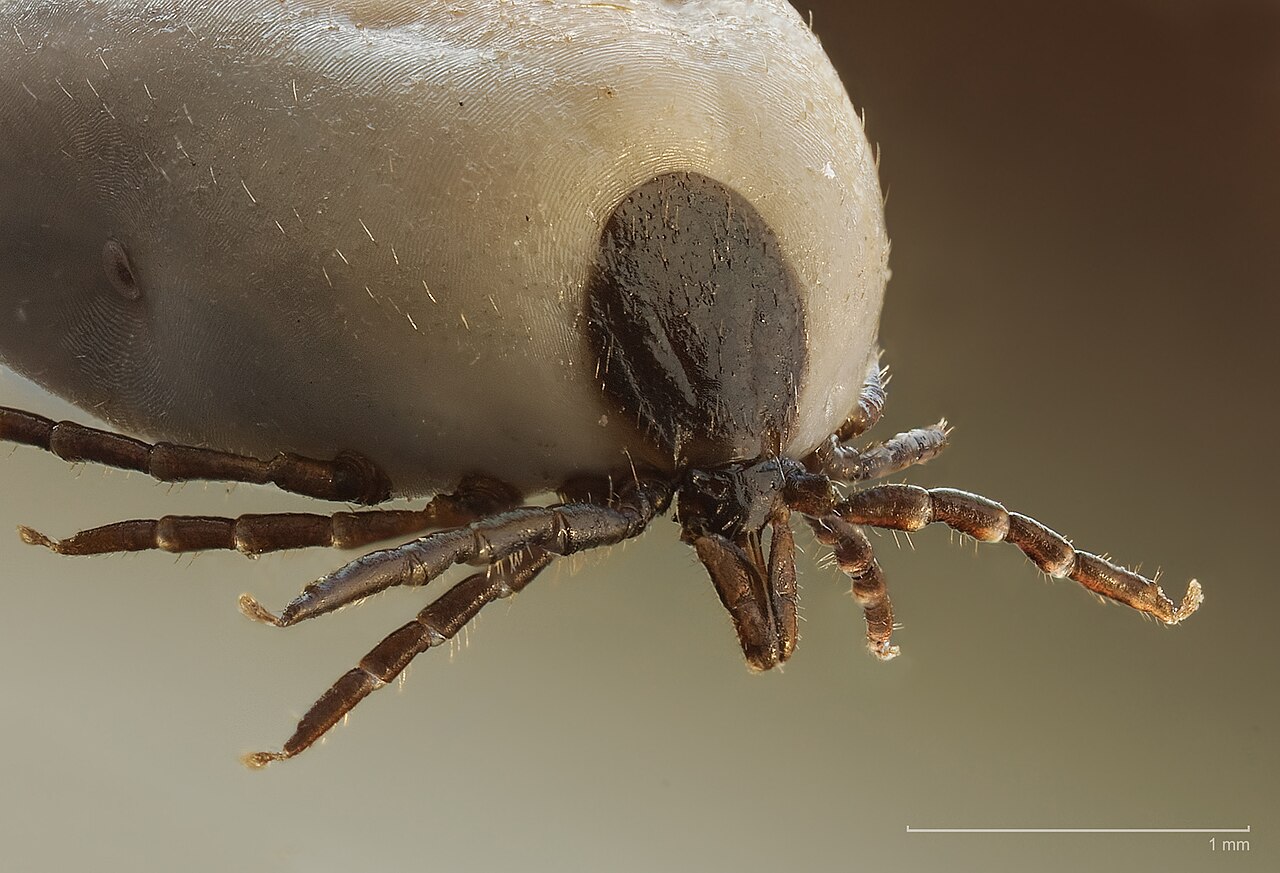
A potentially severe tick season is taking shape across parts of the United States this summer. Health officials and entomologists say a mix of mild winters, wet spring conditions and expanding habitat has created favorable conditions for ticks to thrive.
The warning matters because tick bites can spread a growing list of diseases, including Lyme disease, anaplasmosis, babesiosis and Rocky Mountain spotted fever. Experts say the risk is not uniform nationwide, but many regions are likely to see elevated tick activity during the months when people spend more time outdoors.
Why experts say this season could be especially intense
Researchers and public health agencies have for years tracked a steady expansion in the range of several tick species, especially blacklegged ticks in the Northeast, Upper Midwest and parts of the mid-Atlantic. Lone star ticks have also continued to move into new areas, while Gulf Coast and American dog ticks remain established in broad parts of the country. Scientists say the overall trend has been driven by warming temperatures, changing land use, recovering deer populations and closer contact between wildlife and suburban development.
This year, specialists say local weather may be amplifying those longer-term shifts. Ticks survive and remain active more easily when winters are less consistently cold and when spring brings enough moisture to keep leaf litter and grasses humid. Those conditions help nymph-stage ticks, which are small and difficult to detect, remain active during late spring and early summer. Nymphs are responsible for many human infections because they can feed unnoticed for long periods.
The Centers for Disease Control and Prevention has repeatedly described tick-borne disease as an increasing public health challenge in the United States. More than 50,000 cases of tick-borne illness are reported to the agency annually, though public health researchers have said the true number is likely substantially higher because many infections are never formally diagnosed or reported. Lyme disease alone is estimated by the CDC to affect roughly 476,000 people each year in the United States based on insurance records, laboratory testing and surveys.
Entomologists say the phrase “bad tick season” can mean different things depending on location. In some places it refers to sheer abundance, while in others it may mean a higher percentage of ticks carrying pathogens. The practical effect for the public, however, is similar: more chances for exposure in backyards, parks, hiking trails and overgrown edges where ticks wait on vegetation and latch onto passing people or animals.
The diseases drawing the greatest concern
Lyme disease remains the tick-borne illness most closely watched by doctors and health departments, especially in the Northeast and Upper Midwest where blacklegged ticks are common. Early symptoms can include fever, fatigue, headache and a bull’s-eye rash, though not every patient develops the classic rash. If treatment is delayed, infection can spread to joints, the nervous system and the heart, making early detection especially important during summer months.
But specialists say Lyme disease is only part of the concern. Blacklegged ticks can also spread anaplasmosis and babesiosis, infections that can cause fever, chills and potentially severe complications, particularly in older adults or people with weakened immune systems. Powassan virus, while rare, has also drawn attention because it can cause serious neurologic disease and may be transmitted more quickly than Lyme-causing bacteria in some cases. Officials in endemic states have urged clinicians to think broadly about tick-borne illness when patients present with unexplained summer fevers.
Lone star ticks are another growing concern in the South, mid-Atlantic and increasingly farther north. They are linked to ehrlichiosis and have also been associated with alpha-gal syndrome, a condition that can trigger an allergic reaction to red meat after a tick bite. Public awareness of alpha-gal syndrome has increased in recent years as physicians report more patients with unusual food allergy symptoms tied to prior outdoor exposure.
Rocky Mountain spotted fever, most often spread by the American dog tick and other species depending on the region, remains one of the most dangerous tick-borne diseases because delayed treatment can be fatal. The CDC has stressed that doxycycline is the recommended treatment for suspected cases in both adults and children. Health experts say rapid treatment is critical because symptoms can begin with common signs such as fever, headache and rash, making prompt medical evaluation important after a known bite or recent tick exposure.
Where the risk is rising and who is most exposed
Tick risk is highest in wooded, brushy and grassy areas, but experts stress that many bites happen much closer to home. Suburban yards with stone walls, wood piles, dense ground cover or property lines that border forest can support mice, deer and other animals that help sustain tick populations. Public health departments in several states have said residents should not assume urban or residential settings are low-risk, particularly in neighborhoods with fragmented forest habitat.
Children, hikers, campers, landscapers, park workers and pet owners are among those most likely to encounter ticks during peak outdoor months. Families often underestimate the risk of routine activities such as gardening, mowing lawns, youth sports and dog walking. Ticks do not jump or fly, but instead cling to shoes, socks, pant legs and pets after brushing against vegetation. Once attached, they may move to warm or hidden areas of the body, including the scalp, behind the knees and under the arms.
Regional patterns differ sharply. In the Northeast and Upper Midwest, blacklegged tick nymphs are a major driver of summer infections. In the South and lower mid-Atlantic, lone star ticks are often abundant and aggressive feeders, causing frequent bites even when they are not carrying disease. Western states face different patterns, including western blacklegged ticks and locally variable disease prevalence, but health officials there also warn that outdoor recreation can bring exposure in oak woodlands, coastal scrub and other habitats.
Veterinarians are also watching the season closely because dogs frequently pick up ticks and can carry them into homes. Tick prevention products for pets are considered an important layer of protection for households, though they do not replace checking animals after walks or time in the yard. Experts say a dog with ticks may be a signal that local environmental risk is increasing, especially after a mild winter and wet spring that support tick survival.
What people can do now to lower the danger
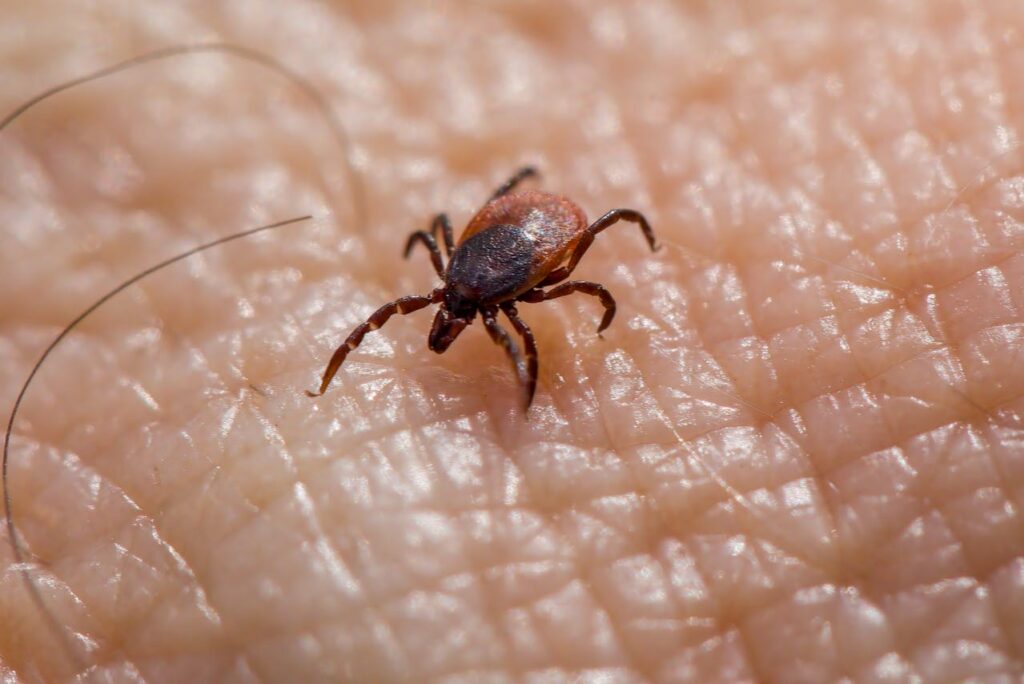
Health officials say the most effective prevention is a combination of clothing, repellents, checks and fast removal. People spending time in grassy or wooded areas are advised to wear long sleeves, tuck pants into socks when practical and use Environmental Protection Agency-registered repellents containing active ingredients such as DEET, picaridin, IR3535, oil of lemon eucalyptus or 2-undecanone. Permethrin-treated clothing and gear can add another layer of protection, especially for hikers, field workers and campers.
After returning indoors, experts recommend showering within 2 hours when possible and doing a full-body tick check using a mirror or another person’s help for hard-to-see areas. Clothing should be placed in a dryer on high heat before washing if ticks may be present, because heat is effective at killing them. Pets should also be checked carefully, especially around the ears, collar, toes and belly. Specialists say these simple steps can sharply reduce the odds that an attached tick stays in place long enough to transmit disease.
If a tick is found attached, the CDC advises removing it with fine-tipped tweezers by grasping as close to the skin’s surface as possible and pulling upward with steady, even pressure. People should avoid folklore remedies such as petroleum jelly, nail polish, heat or twisting, which can increase the chance of improper removal. Afterward, the bite area and hands should be cleaned with soap and water or rubbing alcohol, and the person should watch for symptoms in the days and weeks that follow.
Doctors say people should seek medical advice if they develop fever, fatigue, rash, body aches or other unexplained illness after a tick bite or outdoor exposure, particularly in areas where tick-borne diseases are common. In some circumstances, preventive antibiotics may be considered after a high-risk blacklegged tick bite, but experts caution that this is not appropriate for every bite or every species. Identification of the tick, duration of attachment and local disease prevalence all factor into those decisions.
Why the broader trend has become a long-term public health issue
The concern over this summer’s tick season fits into a larger national shift rather than a one-year anomaly. Researchers have documented the spread of ticks into new counties over recent decades, with blacklegged ticks in particular becoming established in a wider swath of the eastern United States. Public health experts say that means more communities now face recurring risk where residents may have had little experience recognizing ticks or the symptoms of the diseases they carry.
Ecologists point to several forces working together. Warmer average temperatures can lengthen the season when ticks are active and improve survival in some regions. Suburban expansion into wooded habitat increases human contact with deer and rodents that help maintain tick life cycles. Fluctuations in acorn production, mouse populations and deer density can also influence local abundance from one year to the next, producing sharp spikes that residents may notice as a suddenly “bad” season.
Officials say surveillance, public education and clinician awareness remain uneven, which can make it harder to respond quickly. Tick testing programs differ by state, and some areas have limited capacity to track how many ticks carry specific pathogens. Physicians in lower-risk regions may be less likely to suspect tick-borne illness early, while patients may delay care because symptoms initially resemble flu or a summer virus. Those gaps can lead to missed diagnoses and undercounted infections.
For the public, the immediate message is straightforward: expect ticks to be active, take prevention seriously and treat exposure as an ordinary part of outdoor planning this summer. Experts say the goal is not to keep people indoors but to make protective habits as routine as sunscreen and insect repellent. With many regions heading into peak tick months under favorable environmental conditions, specialists say preparation now could make a meaningful difference in limiting bites and illness.