

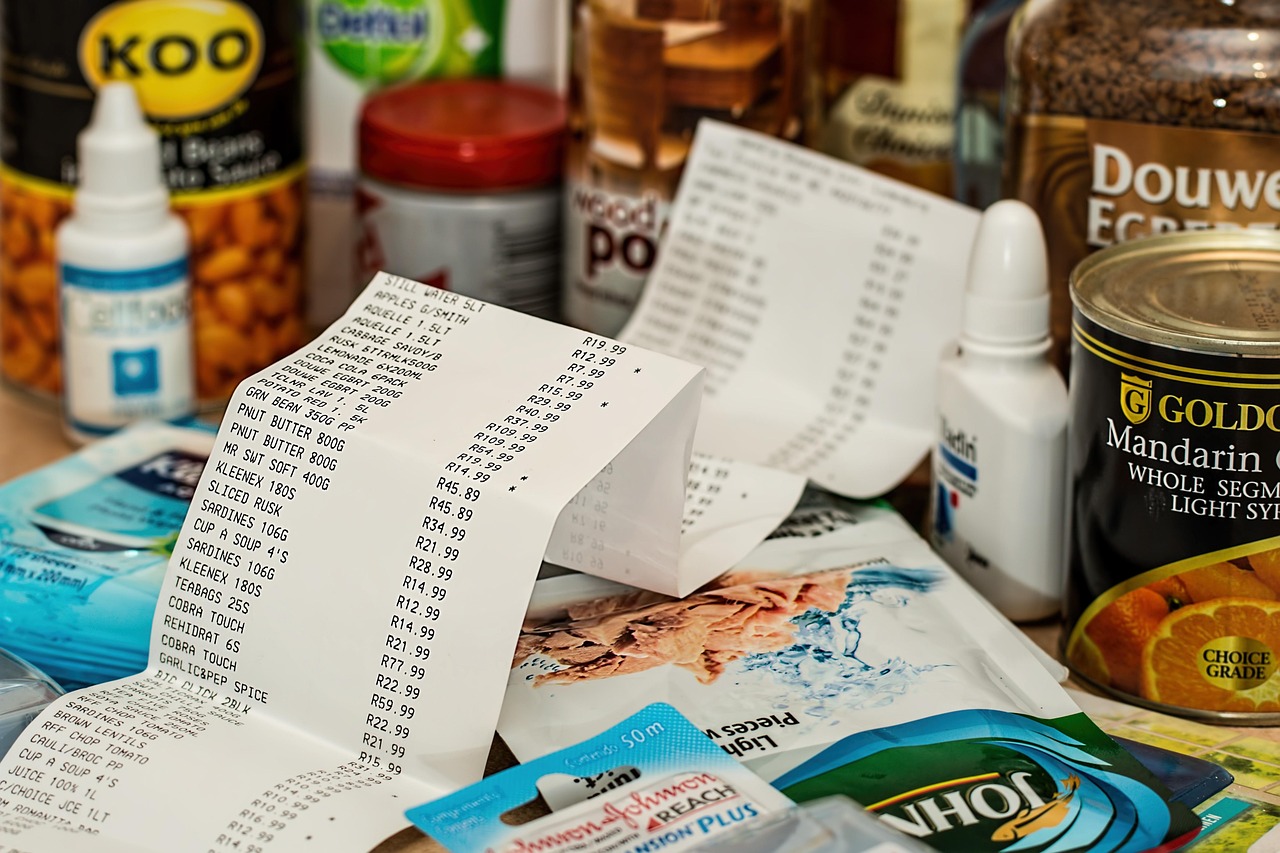
Sticker shock has become a routine part of the American grocery trip. For many households, the frustration is no longer about inflation headlines alone, but about a weekly bill that still feels out of reach.
Why grocery prices still feel unbearable for so many households

The first thing to understand is that Americans are reacting not just to current inflation, but to the cumulative effect of years of higher food costs. According to the U.S. Department of Agriculture’s Economic Research Service, average food-at-home prices in 2025 were 2.3 percent higher than in 2024. That was below the long-run historical average of 2.6 percent, but it still meant prices moved up again after several punishing years that had already reset household budgets at a much higher level.
That distinction matters. Inflation slowing does not mean groceries are getting cheaper; it means prices are rising more slowly from an already elevated base. The Bureau of Labor Statistics reported that in April 2026, the food-at-home index rose 0.7 percent for the month and was up 2.9 percent over the previous 12 months. Within that basket, shoppers saw especially sharp pressure in categories that dominate everyday meals, including meats, eggs, fruits, vegetables, and beverages.
The stress is showing up clearly in surveys. An AP-NORC poll reported in August 2025 found that about half of U.S. adults said the cost of groceries was a major source of stress in their lives, while another 33 percent called it a minor source of stress. Only a small minority said groceries were not a stress point at all. That is a remarkable sign of how deeply food costs have penetrated everyday financial anxiety, because groceries are among the most visible expenses families face each week.
Consumers also notice grocery inflation more than many other economic measures because it is immediate and repetitive. Rent may rise once a year, and a utility bill may fluctuate seasonally, but grocery prices confront households every few days. A carton of eggs, a pound of ground beef, or a bag of produce becomes a running reminder that incomes have not kept pace for many families. Even when wage growth improves on paper, shoppers compare it with the reality of their cart and often conclude that they are still losing ground.
The data behind the squeeze at the checkout line
Recent federal data help explain why many shoppers feel trapped even as broader inflation has moderated. The Bureau of Labor Statistics said five of the six major grocery store food group indexes increased in April 2026. Meats, poultry, fish, and eggs rose 1.3 percent over the month, with beef alone up 2.7 percent. Fruits and vegetables climbed 1.8 percent, nonalcoholic beverages rose 1.1 percent, and dairy products also moved higher on a monthly basis.
Those figures may sound manageable in isolation, but grocery budgets are built on accumulation. When several core categories rise at once, families cannot easily dodge the pain. A household can postpone buying a television or delay a vacation, but it cannot indefinitely stop purchasing milk, bread, produce, protein, and school-lunch staples. The result is that even modest monthly increases can feel severe when multiplied across an entire basket and repeated week after week.
The USDA’s breakdown of 2025 trends shows how uneven the burden has been. Average egg prices were 21.9 percent higher in 2025 than in 2024, largely because of the ongoing highly pathogenic avian influenza outbreak that disrupted supplies. Beef and veal prices rose 11.6 percent for the year, while sugar and sweets increased 5.1 percent and nonalcoholic beverages rose 3.8 percent. Some categories, such as fats and oils and fresh vegetables, were flatter or lower, but the items that surged were highly visible staples.
Restaurant prices have not offered much relief either. The Bureau of Labor Statistics reported that food away from home was up 3.6 percent over the year ended in April 2026, meaning households looking to escape grocery inflation by outsourcing meals were often paying even more. That leaves consumers squeezed on both sides: groceries are expensive, and takeout or dining out remains costly enough to be an occasional indulgence rather than a substitute.
This is why the phrase “fed up” resonates. Americans are not just responding to one bad month of inflation. They are reacting to a long stretch in which the basics of feeding a family have become harder to manage, with few easy substitutes and no genuine reset in prices. For many, affordability has replaced inflation as the real issue.
How families are changing what they buy, eat, and skip
When grocery costs outpace comfort, households do not simply complain; they adapt, often in ways that carry real consequences. Feeding America’s 2025 Elevating Voices report found that 80 percent of surveyed neighbors bought cheaper, less nutritious food because of high prices. Another 66 percent said they skipped meals or ate less food over the past year, and 59 percent relied on credit cards, loans, or borrowed money to afford groceries. More than half delayed paying other bills in order to keep food on the table.
Those are not marginal adjustments. They represent a shift from preference-based shopping to survival-based shopping. Families move from fresh produce to lower-cost processed items, from name brands to private label, from balanced dinners to whatever stretches furthest. Protein becomes harder to justify, fresh fruit becomes a luxury purchase, and snacks or convenience foods are judged not by quality but by how many servings they can provide at the lowest cost per ounce.
The pressure does not fall evenly across the population. Lower-income households are hit first, but they are hardly alone. Feeding America notes that many people facing food insecurity have incomes above the poverty line, reflecting how a high cost of living can overwhelm households that do not fit traditional definitions of hardship. Rural families often face added challenges because long distances to supermarkets and food pantries increase transportation costs and reduce access to lower-price competition.
Older adults, parents with children, and younger households juggling rent, child care, and debt are especially vulnerable to grocery stress. A parent may preserve the family food budget by cutting back on personal meals. College graduates with student loans may discover that their real discretionary income disappears at the checkout lane. Retirees on fixed incomes often have little flexibility when food, housing, insurance, and medicine all rise together.
These coping strategies can produce long-term damage. Cheaper diets are often less nutritious, which can worsen chronic health conditions. Skipping meals can affect children’s concentration in school and adults’ productivity at work. Using debt to buy groceries turns a recurring necessity into an accumulating financial burden. What begins as frustration over a food bill can become a larger cycle of instability touching health, housing, and credit.
The widening gap between economic headlines and lived reality
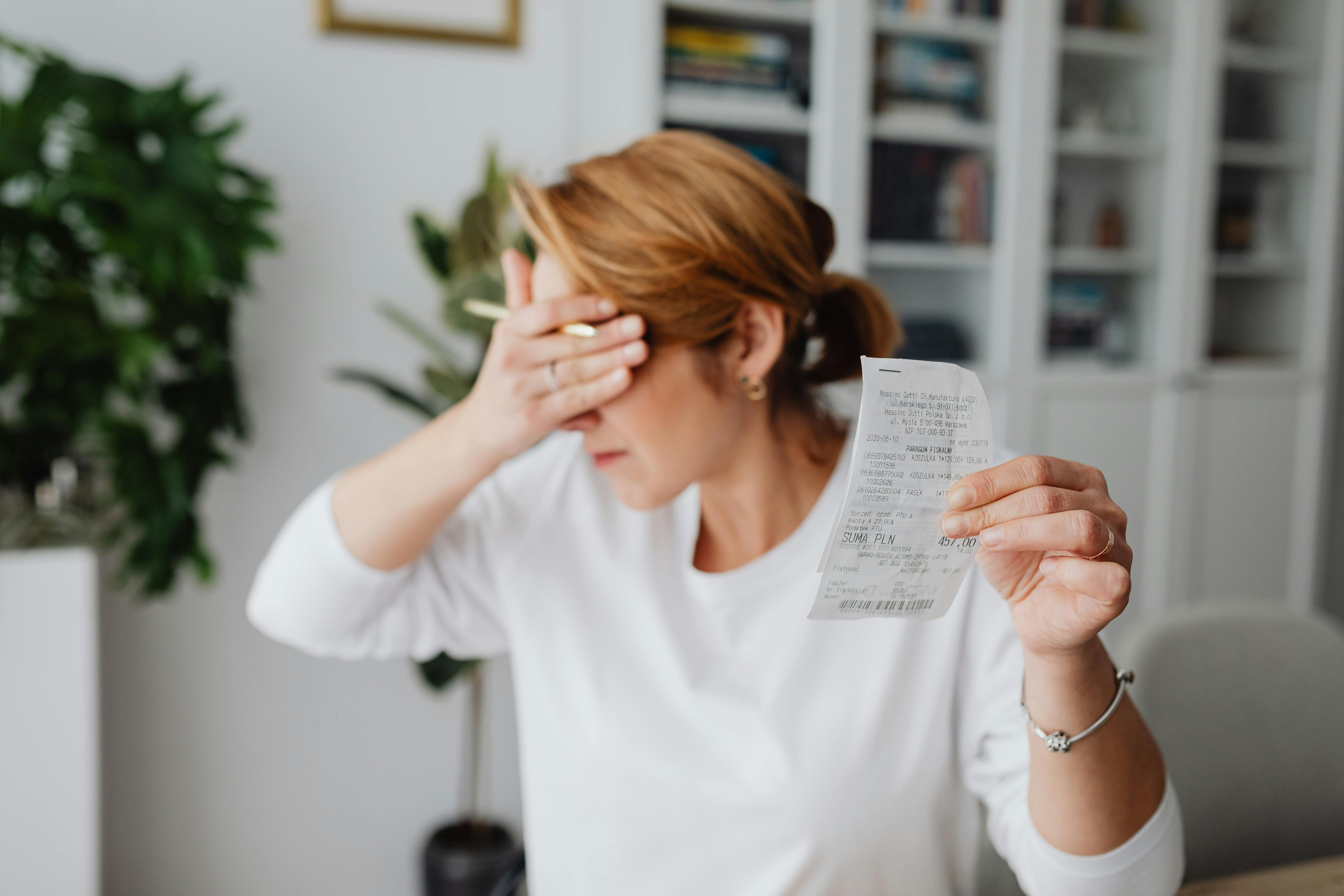
One reason grocery anger remains intense is the gap between macroeconomic messaging and household experience. Policymakers and economists often focus on whether inflation is rising or falling, but consumers care about the level, not just the direction. If food inflation cools after years of steep increases, families still live with the higher bill. A shopper who once spent $150 and now spends $220 does not feel relief simply because the next increase is smaller than the last one.
That disconnect helps explain why economic sentiment can remain weak even when official indicators improve. According to the Bureau of Labour Statistics, overall inflation was 3.8 percent over the year in April 2026, while food at home rose 2.9 percent. Those are important data points, but they do not erase the accumulated run-up that preceded them. Nor do they reflect how consumers mentally track a few highly visible items, such as eggs, beef, cereal, or fruit, which shape the emotional reality of inflation more than broad averages do.
Surveys about stress and affordability, therefore, capture something traditional inflation data cannot. They show how people experience prices in context: alongside rent, utilities, health care, transportation, and debt payments. When one expense category spikes, households may adapt. When all the essentials stay elevated at once, people start to feel cornered. Grocery bills become symbolic of a larger affordability crisis, even if they are not the single largest line item in a monthly budget.
Food insecurity numbers reinforce that broader picture. Feeding America said 47 million people in the United States, including 14 million children, are facing food insecurity, the highest number in a decade. Its Map the Meal Gap research has shown that hunger is present in every county and community, not just in places traditionally associated with deep poverty. That makes grocery affordability not merely a consumer issue, but a public health and social stability issue.
The anger, then, is rational. Americans are not misunderstanding the economy; they are interpreting it through the lens of daily necessity. Grocery shopping is where abstract inflation becomes tangible, personal, and unavoidable.
What could actually bring relief, and what comes next
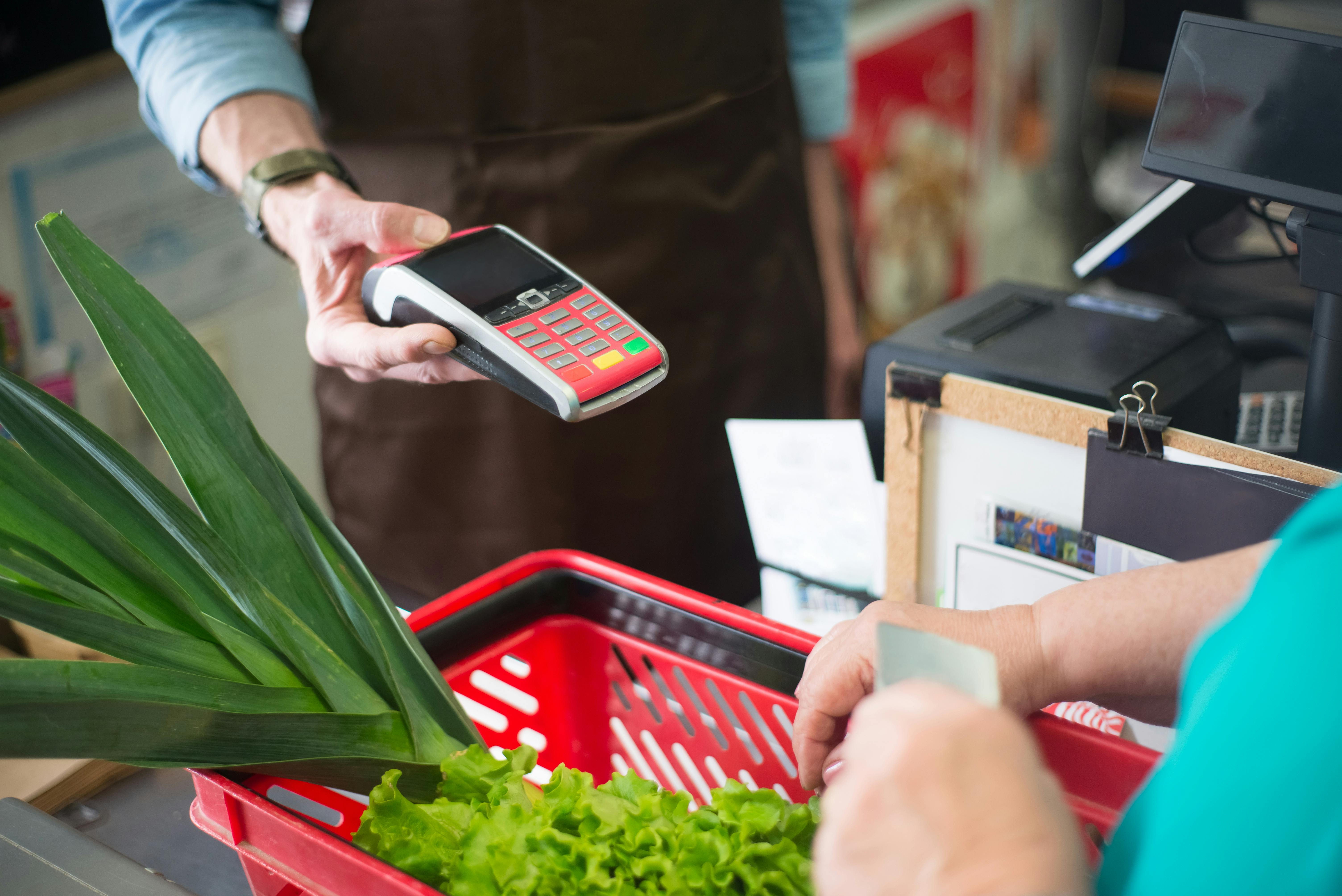
There is no single solution that will make groceries feel affordable overnight, because the problem is broader than one month’s price movement. Some relief would come from steadier food production and supply conditions, especially in categories like eggs where disease outbreaks have disrupted availability. Other improvements depend on lower transportation and energy costs, more stable labor inputs, and less volatility in commodities that feed into retail food pricing.
But household relief also depends on income and support systems, not just shelf prices. Programs such as SNAP remain one of the most direct tools for reducing food insecurity. Feeding America notes that SNAP has been shown to reduce the likelihood of food insecurity by as much as 30 percent, while also supporting grocery retailers and local economies. Food banks, pantries, school meal programs, and community-based grocery assistance have become increasingly important as more working families seek help despite being employed.
Retail competition can help at the margins. Consumers are already responding by shopping multiple stores, trading down to private labels, using warehouse clubs, and timing purchases around promotions. Those strategies matter, but they are limited. A family can only optimize so much when the cost of staples remains structurally high. Bargain hunting is not a substitute for affordability; it is evidence that affordability has broken down.
The next phase of this story will hinge on whether price growth continues to cool and whether wages, benefits, and public supports can restore some breathing room. If food inflation stays moderate, households may gradually stabilize. But if core staples such as beef, eggs, and produce remain volatile, public frustration is likely to persist regardless of what broader inflation averages say.
For now, the message from American shoppers is blunt. They are not asking whether inflation is technically lower than it used to be. They are asking why a basic grocery run still feels like a financial setback. Until that answer changes at the checkout line, the sense that the country is fed up with grocery prices will remain both understandable and widespread.