

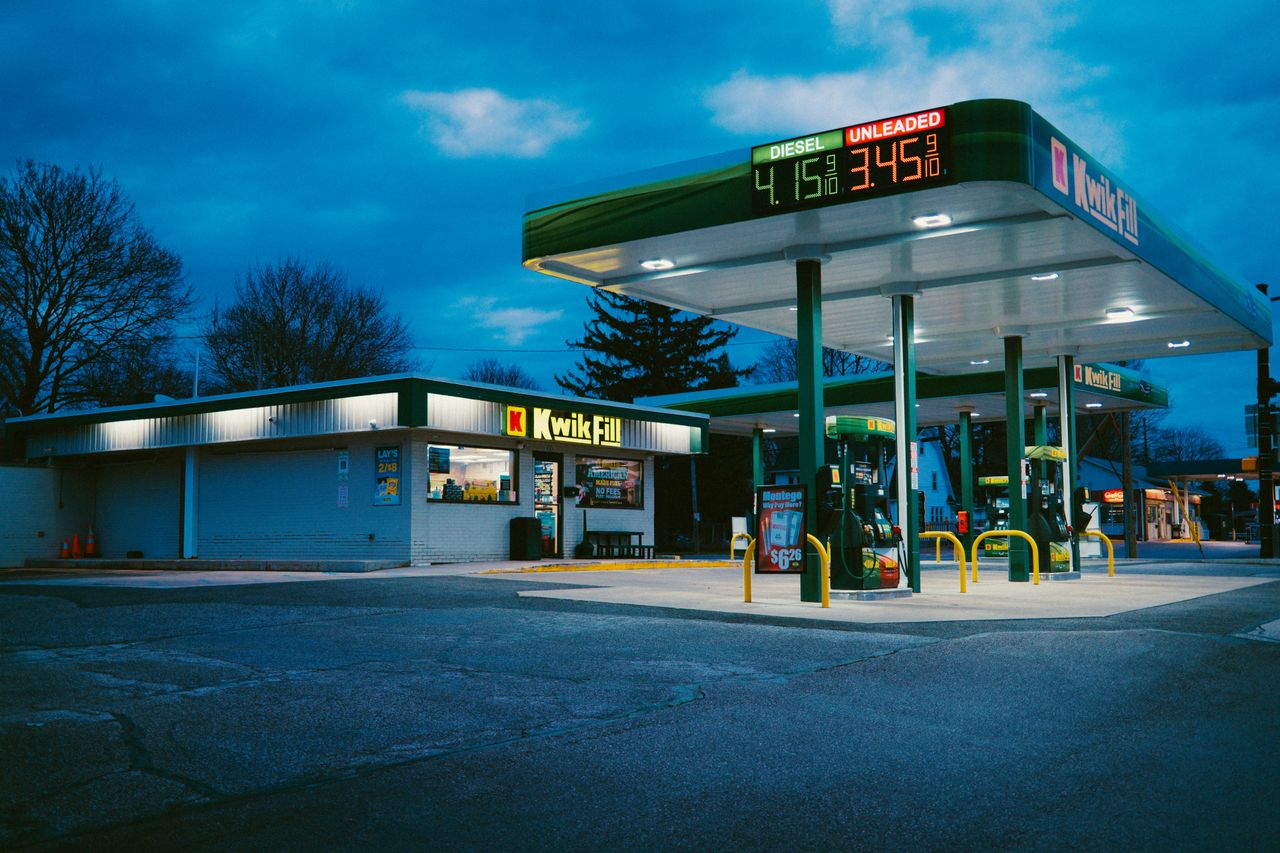
For millions of Americans, the price on the pump is more than a number. It is a weekly mood check on the economy, and right now, in some states, that mood is improving.
Why sub-$3 gas is getting so much attention

Gasoline prices carry an outsized psychological effect because they are one of the few household costs consumers see posted in giant numbers every day. When regular unleaded drops below $3 a gallon in parts of the country, it signals relief in a way that lower wholesale costs or softer inflation readings never quite can. That matters even more as families head into the late spring and early summer driving season, when fuel spending tends to climb alongside vacation plans, weekend trips, and longer commutes.
The broader national picture has also supported the idea that cheaper gas was becoming possible. The U.S. Energy Information Administration said earlier this year that it expected lower gasoline prices in 2026 and 2027 as crude oil prices ease, even while warning that refinery constraints could keep some regions more expensive than others. In a March outlook, the agency projected the U.S. average retail gasoline price for 2026 at about $3.34 per gallon, reflecting a softer oil backdrop and modestly weaker gasoline consumption than in prior years.
That lower-price environment has not been uniform. The Energy Information Administration noted in a recent Memorial Day market update that regional differences remain significant because retail gasoline prices are shaped not only by crude costs, but also by refinery capacity, distribution logistics, fuel specifications, and taxes. States along the Gulf Coast and in parts of the South and Midwest have historically had an easier path to low pump prices than states on the West Coast or in the Northeast, where structural costs tend to run higher.
AAA’s data has shown how dramatic that state-by-state gap can be. Even when the national average was hovering just above or around the low-$3 range earlier in the year, some states were already significantly cheaper than the national figure, while others remained far above it. That contrast is why stories about sub-$3 gas resonate so strongly: they are true for a meaningful slice of the country, even if they do not reflect what drivers in California, Hawaii, or parts of New England are seeing.
Why the timing matters so much for households

Analysts say the timing could hardly be better because the move comes when consumers are most sensitive to fuel costs. Memorial Day marks the unofficial start of the summer travel season, and AAA projected that 45 million Americans would travel at least 50 miles from home over the 2026 Memorial Day holiday period, with 39.1 million of them going by car. When road travel rises at that scale, even modest savings per gallon can translate into meaningful budget relief for households.
A drop of 20 to 40 cents a gallon may not sound dramatic in isolation, but multiplied across a family SUV, several fill-ups, and a multi-state road trip, the difference becomes visible. Households already dealing with high costs for groceries, insurance, dining out, and lodging often treat cheaper fuel as flexible cash flow. It can help pay for an extra hotel night, reduce the cost of commuting, or simply lower the stress of routine errands and summer activities.
The effect also reaches beyond vacation spending. Lower gasoline prices tend to support broader consumer sentiment because fuel is a recurring purchase across income groups. Unlike a mortgage payment or annual insurance renewal, gas prices update quickly and are felt immediately. When drivers notice lower numbers at the station, they often interpret that as a signal that cost pressures may be easing more generally, even if other prices remain elevated.
That is one reason economists and market watchers pay such close attention to pump prices during periods of heavy travel. Energy costs feed directly into household budgets and indirectly into the price of moving goods and delivering services. If gas prices ease while summer demand is ramping up, it can soften a seasonal pinch point that often arrives just as families are trying to take trips, kids are out of school, and discretionary spending tends to rise.
What is pushing prices lower in the cheapest states

The biggest driver of lower gasoline prices is still crude oil, which remains the dominant input cost in making gasoline. The Energy Information Administration said in January that its forecast for lower gasoline prices in 2026 and 2027 was tied primarily to falling crude prices, with crude’s share of the retail gasoline price expected to move below 45% on an annual average basis. When oil prices retreat or stabilize, the effect eventually filters through to wholesale and retail gasoline, though not evenly or instantly.
Seasonality matters too. In many years, drivers see lower prices in colder months because winter-blend gasoline is cheaper to produce than summer-blend fuel. AAA highlighted that dynamic late last year when the national average dipped below $3 a gallon for the first time in four years, citing lower crude prices, sluggish gasoline demand, and cheaper winter-blend gasoline. That milestone showed how quickly prices can fall when several favorable conditions align at once.
Geography then determines who benefits most. Gulf Coast states often enjoy lower prices because they sit near major refining centers and extensive fuel infrastructure, reducing transportation and supply costs. States with lower fuel taxes also have a built-in pricing advantage. By contrast, states that require special fuel blends, depend on tighter supply chains, or face refinery disruptions can stay expensive even when national trends are improving.
The latest federal market commentary underscores those regional distortions. The Energy Information Administration noted that even around Memorial Day, price differences across U.S. regions remained pronounced. That means a national headline may describe a broad trend, but the experience on the ground is intensely local. For drivers in the lowest-cost states, falling prices can feel like a genuine windfall. For others, especially in structurally high-cost markets, the same national trend may show up only as a smaller increase than they otherwise would have paid.
What cheaper fuel could mean for inflation and the economy

Lower gasoline prices do not solve inflation on their own, but they can materially improve the near-term picture. Fuel is a visible component of consumer inflation, and because it affects transportation costs throughout the economy, moves at the pump often ripple outward. When gasoline prices fall, it can ease pressure on delivery fleets, service businesses, and commuting workers, while also reducing one of the most emotionally charged categories in household spending.
There is also a confidence effect that should not be underestimated. Consumers may not track refinery utilization or global crude inventories, but they do notice when a fill-up costs less than it did a month earlier. That can improve perceptions of personal financial stability, especially among middle- and lower-income households that spend a larger share of their income on transportation. In practical terms, cheaper gas can function like a modest tax cut, even if the savings are unevenly distributed.
Still, analysts tend to caution against reading too much into a single price threshold. Gasoline markets are volatile, and the same forces that push prices lower can reverse quickly if crude rises, refinery outages emerge, or geopolitical disruptions hit supply. AAA’s spring updates this year illustrated just how fast conditions can change, with the national average jumping sharply in early May as supply concerns and oil market tensions intensified before retreating again.
That volatility is why the underlying trend matters more than any one day’s number. If lower crude prices persist and gasoline demand stays manageable, cheaper fuel could continue to support consumers through the heart of summer. But if refining bottlenecks or global supply shocks return, the relief may prove temporary. For now, though, the fact that some states are back below $3 at a moment of peak driving demand gives consumers something they have not had enough of lately: breathing room.
Why drivers should enjoy the relief but stay realistic

The best way to understand this moment is as a timely break, not a permanent reset. Energy markets rarely move in a straight line, and gasoline is especially vulnerable to abrupt swings tied to hurricanes, refinery maintenance, export demand, and global crude events. Even in years when the overall trend is down, regional spikes can appear with little warning, particularly in states with tighter supply balances or more complex fuel rules.
That said, the current drop still matters because it arrives when it can do the most good. Summer road trips are not theoretical expenses; they are happening now, and so are everyday driving costs tied to camp drop-offs, weekend visits, and family logistics. Lower gas prices at the front end of the season give households a chance to lock in some travel plans with a little more confidence and a little less sticker shock.
Drivers can make the most of the moment by combining lower prices with smart habits. Filling up earlier in the week, comparing prices across nearby stations, avoiding premium fuel unless the vehicle requires it, and keeping tires properly inflated all help stretch savings further. When wholesale markets are moving, local station competition can create meaningful differences even within the same metro area, so timing and location still matter.
In the end, analysts are right that the timing could not be much better. Americans are entering one of the busiest driving stretches of the year just as parts of the country are seeing genuinely affordable gas again. After years of elevated prices and repeated shocks, that is more than a pleasant headline. It is a reminder that energy costs still shape how people travel, spend, and feel about the economy, and that even a drop below $3 can carry consequences far beyond the gas station forecourt.