

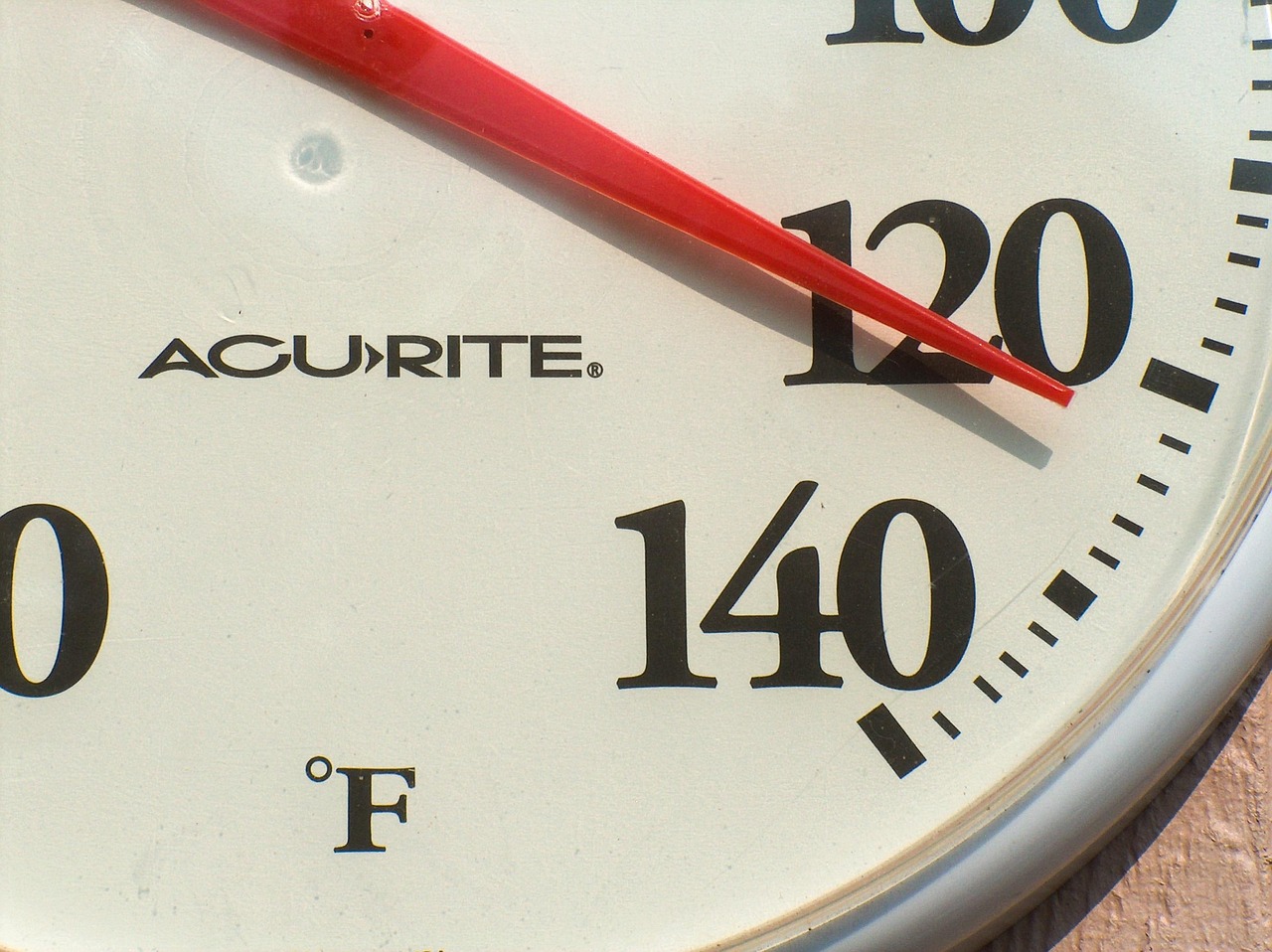
The heat is no longer waiting for summer. Across the United States, unusually early and intense hot spells are rewriting temperature records and forcing forecasters to talk less about inconvenience and more about danger.
A nation already seeing heat arrive too early

The most alarming feature of the latest wave of record heat is not just how hot it has been, but how early it has arrived. In March 2026, a sprawling heat dome baked the Southwest and then spread eastward, helping drive some of the most extraordinary early-season temperatures the country has seen in decades. According to reporting from the Associated Press, March heat records fell in 14 states and the event was so expansive that meteorologists warned it could rank among the broadest heat waves in modern American history.
In Arizona, the numbers were especially jarring. NOAA and NASA highlighted readings including 101°F at Phoenix Sky Harbor in mid-March, a new record for that month, while communities near Yuma reached 112°F, smashing previous March benchmarks by a wide margin. That kind of heat is familiar in the desert in high summer, but not before spring has fully settled in. The timing matters because infrastructure, public health systems, schools, outdoor workers, and even residents themselves are less acclimated this early in the season.
This pattern did not end with the Southwest. By May, heat had surged into the East, where cities in the Mid-Atlantic and Northeast challenged or broke long-standing records. Weather-focused national reporting noted that Philadelphia set a new May high and did so notably earlier in the calendar than its previous mark. That detail may sound technical, but it is central to why forecasters are concerned: a hot late July day is one thing, while near-peak summer heat in spring can magnify risk because routines, preparedness measures, and cooling responses are not fully activated.
Meteorologists are also paying attention to the geographic breadth of these events. The Washington Post described the March heat as a situation in which “basically the entire US is going to be hot,” a phrase that captured the unusual scale of the pattern. Extreme heat has always occurred regionally, but widespread simultaneous heat creates cascading stress. It reduces the ability of people, power systems, and emergency networks to shift resources from one region to another when many states are affected at once.
Why forecasters are increasingly uneasy about what comes next

Forecasters are alarmed not simply because records are falling, but because the atmospheric setup suggests this may be part of a larger warm-season risk profile rather than a brief anomaly. NOAA’s Climate Prediction Center has favored above-normal temperatures across broad stretches of the country in its spring and early summer outlooks, with the West, Plains, Mississippi Valley, Southeast, and adjacent regions all showing elevated odds of unusual warmth. That means the recent record heat is unfolding against a background that already tilts hot.
NOAA’s 2026 spring outlook added another reason for concern: widespread drought and low soil moisture across large sections of the country. As of mid-March, NOAA said moderate to exceptional drought covered 55% of the continental United States. Dry soils can reinforce heat by reducing evaporative cooling, allowing more incoming solar energy to go directly into raising air temperatures. In practical terms, that can turn a hot pattern into a punishing one, especially during the transition from spring into summer.
There is also concern about persistence. Heat domes are dangerous not only because of daytime highs, but because they can trap warmth overnight. When nighttime temperatures stay elevated, the human body gets less opportunity to recover, especially for older adults, young children, and people without reliable air conditioning. NOAA’s hazards outlooks have continued to flag areas at risk for much above normal maximum temperatures and, in some regions, dangerously warm overnight lows, the combination that tends to push health impacts upward.
Energy regulators are watching closely as well. In its 2026 summer reliability assessment, the Federal Energy Regulatory Commission warned that extreme heat this summer could affect electricity markets and grid reliability, citing NOAA forecasts that point to above-average temperatures across much of the nation. That matters because heat is no longer only a weather issue. It is a systems issue, touching the power grid, water supplies, transportation, hospitals, agriculture, and labor productivity all at once.
The records themselves tell a larger climate story

A single record can happen by chance. A sweeping cluster of records, across multiple states and in multiple months, tells a much bigger story. During the March 2026 heat wave, reporting cited thousands of daily station records falling across the western United States, with entire states setting new March temperature benchmarks. These were not marginal records nudged upward by 1°F. In some places, the previous marks were beaten decisively, which is one reason weather historians and climatologists reacted so strongly.
That distinction matters because record heat is not just about isolated weather extremes; it is increasingly occurring in a warmer baseline climate. NOAA’s National Centers for Environmental Information continue to document long-term warming in the broader climate system, while researchers and communicators such as Climate Central have repeatedly shown that climate change is increasing the odds and intensity of heat extremes. When unusually strong atmospheric patterns develop now, they do so on top of conditions that are already warmer than they were decades ago.
Forecasters are careful to distinguish weather from climate, but the line between the two becomes highly relevant during events like this. Weather explains the immediate setup: upper-level ridging, sinking air, dry soils, and stagnant patterns. Climate helps explain why the resulting temperatures can climb so high and why record-breaking margins can become so dramatic. In other words, the atmosphere still rolls the dice, but the dice are increasingly loaded toward hotter outcomes.
The public often experiences this shift in personal, everyday terms rather than statistics. A city that once expected its first 100°F day in early May now gets it in March. A school district that planned for hot classrooms in August finds itself facing them before the academic year is over. A utility that once designed for peak cooling demand in midsummer now sees dangerous stress earlier and over a longer season. Those are not abstract signals. They are evidence that extreme heat is becoming more disruptive, more frequent, and harder to manage.
The danger goes far beyond discomfort

Heat remains one of the deadliest weather hazards in the United States, yet it is often underestimated because it does not arrive with the visual drama of a tornado or hurricane. The problem is that extreme heat affects the body quietly and efficiently. It raises the risk of heat exhaustion, heat stroke, dehydration, cardiovascular strain, and worsening outcomes for people with chronic conditions. When the first major heat wave of the warm season arrives early, those risks can rise sharply because many people have not yet adjusted physically or behaviorally.
Outdoor workers face some of the highest exposure. Construction crews, farmworkers, delivery drivers, utility repair teams, landscapers, and warehouse staff often cannot avoid peak heat, and early-season extremes can catch employers off guard. The March 2026 Southwest heat wave offered a vivid example, with air conditioning technicians, road crews, and service workers already operating in temperatures more typical of peak summer. As heat expands into the shoulder seasons, worker protection becomes less a summer policy question and more a year-round operational challenge in large parts of the country.
Urban areas carry additional risk because concrete, asphalt, limited tree cover, and dense development create heat islands that keep temperatures higher by day and night. Warm overnight lows are particularly dangerous in cities because they reduce the body’s recovery window. Households without central air, people living in older buildings, and renters in poorly insulated apartments are often most exposed. The burden is also unequal: lower-income neighborhoods and communities with fewer cooling resources typically suffer the highest heat stress.
Then there is the compounding effect with other systems. High heat can buckle roads, stress rail lines, reduce crop yields, increase wildfire risk, and drive up electricity demand at the same time that power infrastructure is under pressure. It can also worsen drought conditions and degrade air quality. What looks like “just hot weather” can therefore trigger a chain reaction across daily life, from higher household bills to canceled outdoor events to public health emergencies. That is why forecasters sound alarmed long before the hottest day arrives.
What this summer may demand from communities, officials, and households

If the recent record heat is a preview, the United States may need to treat extreme heat with the same seriousness it gives to hurricanes, floods, and winter storms. Forecasting has improved significantly, and agencies such as NOAA and the National Weather Service can often identify elevated heat risk days or even weeks in advance. But warnings only matter if local governments, employers, schools, utilities, and households act on them. Preparedness for heat still tends to lag behind preparedness for more visibly destructive hazards.
Communities are starting to adapt, but unevenly. Some cities now open cooling centers, extend pool and library hours, coordinate welfare checks, and issue targeted alerts for vulnerable residents. Utilities and regulators are also planning for heavier summer demand, especially after federal reliability assessments flagged heightened weather-related stress. Even so, much of the country remains structurally underprepared for prolonged or early-season heat, particularly in places where residents historically thought of extreme heat as a short seasonal problem rather than a persistent one.
For households, the practical response is becoming more important. That includes checking cooling systems before the hottest stretch arrives, using blinds and fans strategically, staying hydrated, limiting strenuous afternoon activity, and paying close attention to overnight temperatures. It also means looking beyond personal comfort and checking on neighbors, older relatives, and anyone without dependable air conditioning. Heat emergencies often become tragedies not because danger was invisible, but because it was normalized.
The deeper issue is that forecasters are no longer reacting to a few freakish records. They are tracking a broader pattern in which heat arrives earlier, stretches wider, and interacts with drought, energy demand, and public health vulnerabilities in ways that make each new event harder to dismiss. Record temperatures across the United States are not merely being broken; they are being broken in ways that suggest a changing risk landscape. That is why the alarm is sounding now, before summer has fully begun.