

The fight over tariff refunds has become a national business story as courts, federal agencies and importers sort through billions of dollars in repayments after the U.S. Supreme Court struck down some Trump-era import duties. For one business owner, the issue is personal: after taking on $140,000 in debt tied to tariffs, he said he has received only about $50,000 back so far. At the other end of the scale, Walmart reported that a $2.9 billion tariff refund helped lift quarterly profit in results released on August 20.
Walmart’s refund windfall and the uneven pace of repayment
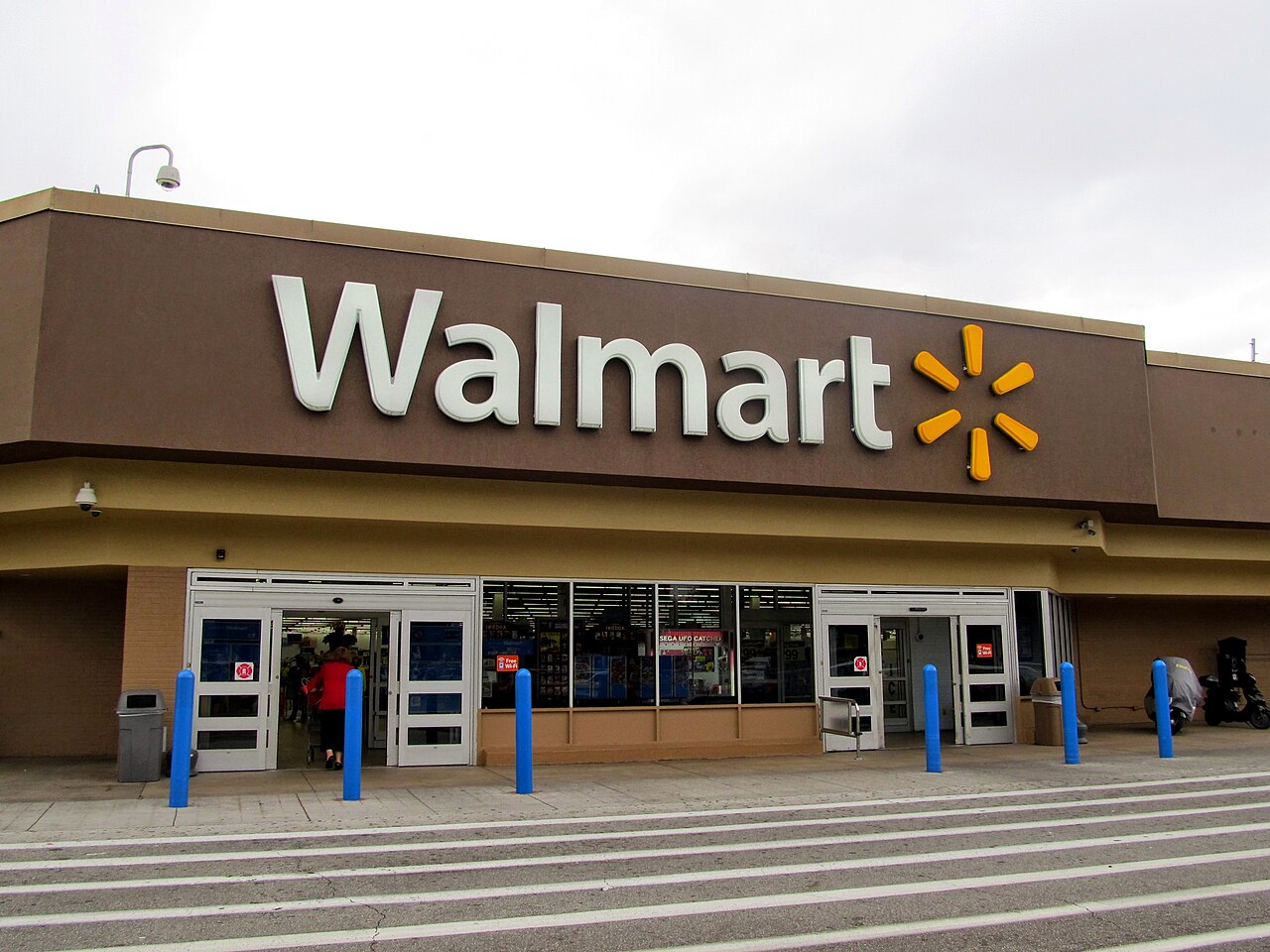
Walmart said its latest quarterly profit was boosted by a $2.9 billion tariff refund, according to The Associated Press report on the retailer’s August 20 earnings. AP reported that Walmart’s net income reached $6.37 billion for the quarter ended July 31, with the company also saying it would use the U.S. tariff refunds to temporarily lower prices on about 11,000 items.
That figure stands in sharp contrast to the experience of smaller importers still waiting on more complete reimbursements. AP previously reported on May 30 that businesses large and small had started receiving refunds after the Supreme Court ruled in February that President Donald Trump exceeded his authority when he imposed broad tariffs under the International Emergency Economic Powers Act.
According to that AP reporting, Customs and Border Protection said applications totaling $85 billion had been accepted for processing as of May 22, and the agency had directed the Treasury Department to issue $20.6 billion in refunds at that point. The same report said refunds first reached successful applicants on May 12, showing that some money was moving but not at a uniform pace across companies.
The small-business side of the story has centered on balance-sheet strain rather than earnings beats. AP reported in May that smaller companies were using whatever refunds they received to pay remaining or future tariffs, reduce debt, and stabilize operations after more than a year of extra costs and uncertainty.
That is where the account of a business owner going $140,000 into debt and recovering only about $50,000 fits into the broader refund picture. AP reported similar pressures at other smaller firms, including companies that deferred investments, automated operations, or absorbed costs rather than fully pass them on to customers. Those examples showed that for many businesses, refunds were not simply a financial gain but a partial recovery of money already spent.
What is not publicly known in many cases is the full shipment-by-shipment status of each small importer’s refund claim. Customs and Border Protection has disclosed aggregate totals in court filings, but it has not released a comprehensive public accounting of every company’s claim, payment schedule or outstanding balance. That leaves many smaller operators dependent on phased processing and litigation outcomes.
The core reason for the refunds is legal, not voluntary. AP reported that the Supreme Court ruled in February 2026 that the president lacked authority to impose certain broad tariffs under IEEPA, invalidating the country-by-country rates and triggering demands for repayment from importers that had paid them.
But the refund process has remained contested. AP reported on May 30 that the Trump administration planned to appeal a trade judge’s order that would allow all affected importers to seek refunds, not only the companies that filed lawsuits. AP later reported on August 11 that government lawyers were still fighting that order, even as CBP had already processed and certified $100 billion in refunds.
For customers and residents, the practical effect depends on the company involved. Walmart has said it is using refund-related savings to lower prices on thousands of items, while many smaller importers have indicated the money is going first to debt reduction, cash flow and future tariff exposure. As of late August, the federal refund system was still moving forward, but the broader legal fight over who gets repaid and how quickly was not fully resolved.