

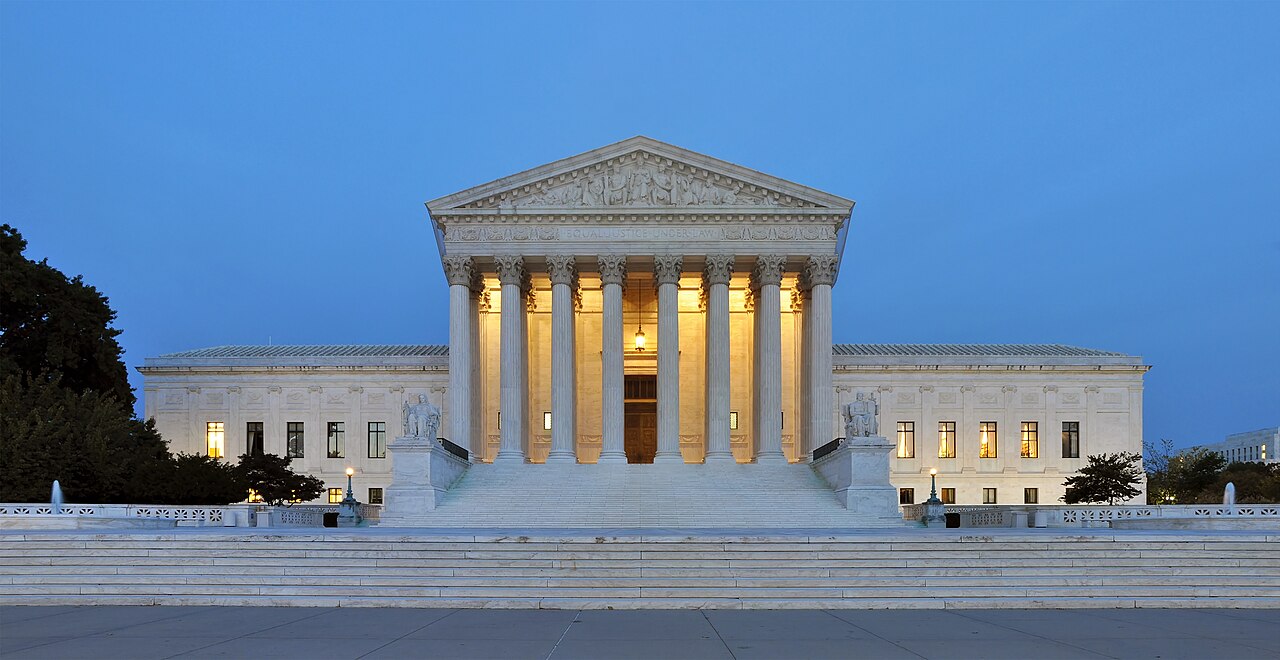
A legal fight over how far the federal government can go in policing voter eligibility is now back before the U.S. Supreme Court as election administration disputes intensify ahead of the 2026 midterms. On September 8, the Trump administration asked the justices to let the Department of Homeland Security resume use of an expanded citizenship-check system after lower courts blocked it. The challenge centers on the SAVE database overhaul that a federal judge said unlawfully repurposed sensitive personal information for voter screening.
Trump administration seeks emergency relief after lower-court losses
The specific tool at issue is the federal SAVE system, short for Systematic Alien Verification for Entitlements, which the Trump administration expanded for use in checking voter rolls, according to court filings and reporting by CBS News, The Washington Post and The New York Times. The emergency application filed September 8 asks the Supreme Court to pause a lower-court order that barred DHS from using the revamped system while the case proceeds. Solicitor General John Sauer argued the injunction deprives the government of what he described as an effective tool for verifying voter eligibility, according to the filing described by multiple outlets.
The legal dispute grew out of a June 22 ruling by U.S. District Judge Sparkle Sooknanan in Washington. In that decision, Sooknanan wrote that “the federal government has knowingly trampled on the privacy rights of American citizens in a manner that threatens the sacred right to vote,” according to coverage of the order by The Washington Post, CBS News and NPR-affiliated reporting. She concluded that the administration’s expanded use of SAVE violated privacy protections, including limits tied to Social Security data.
The administration then sought relief from the U.S. Court of Appeals for the D.C. Circuit, but a panel declined to pause the ruling last week, according to The New York Times and advocacy groups involved in the case. That appeals-court setback set up the administration’s latest emergency request to the nation’s highest court.
The immediate practical effect is national because voter-list maintenance is handled state by state, but the challenged federal tool was meant to be available broadly to election officials. The court orders do not erase existing voter rolls or halt all citizenship checks; they block the federal government from deploying this expanded version of SAVE for voter-screening purposes while the lawsuit continues, according to court coverage by CBS News and The Washington Post.
What remains unclear is how many states had already used, tested or planned to use the revised system for election administration. Public reporting has described the tool as central to Trump administration efforts to identify potential noncitizens on voter rolls, but officials have not released a comprehensive state-by-state accounting of adoption. That leaves unresolved how many local election offices may need to adjust procedures before key midterm deadlines.
The timing matters because list maintenance close to elections is politically and legally sensitive. Bloomberg Law reported that the administration acknowledged states are now within the 90-day period before federal elections when voter-roll removals face added scrutiny under federal law, even as it argued the database could still assist election officials.
At the center of the case is a broader question: whether a database historically used to verify immigration or benefits-related status can be transformed into a nationwide election-screening tool without new authorization from Congress. Judge Sooknanan’s ruling said the answer, on the current record, is no, finding that the government’s redesign ran into federal privacy-law limits, according to reporting by The Washington Post and The New York Times.
Voting-rights and privacy groups challenging the system have argued that inaccurate or incomplete data can wrongly flag eligible citizens, especially naturalized Americans, creating a risk of improper removals from voter rolls. The administration has said the opposite, maintaining that the database is needed to help states verify citizenship and protect election integrity, according to court descriptions cited by CBS News and Bloomberg Law.
For residents, the bottom line is narrower than the rhetoric around the case. As of now, the expanded SAVE voter-screening system remains blocked, and any change would depend on action by the Supreme Court or further lower-court rulings. With the midterm election calendar advancing, the case is likely to remain a closely watched test of how privacy protections and federal election-enforcement efforts intersect.