

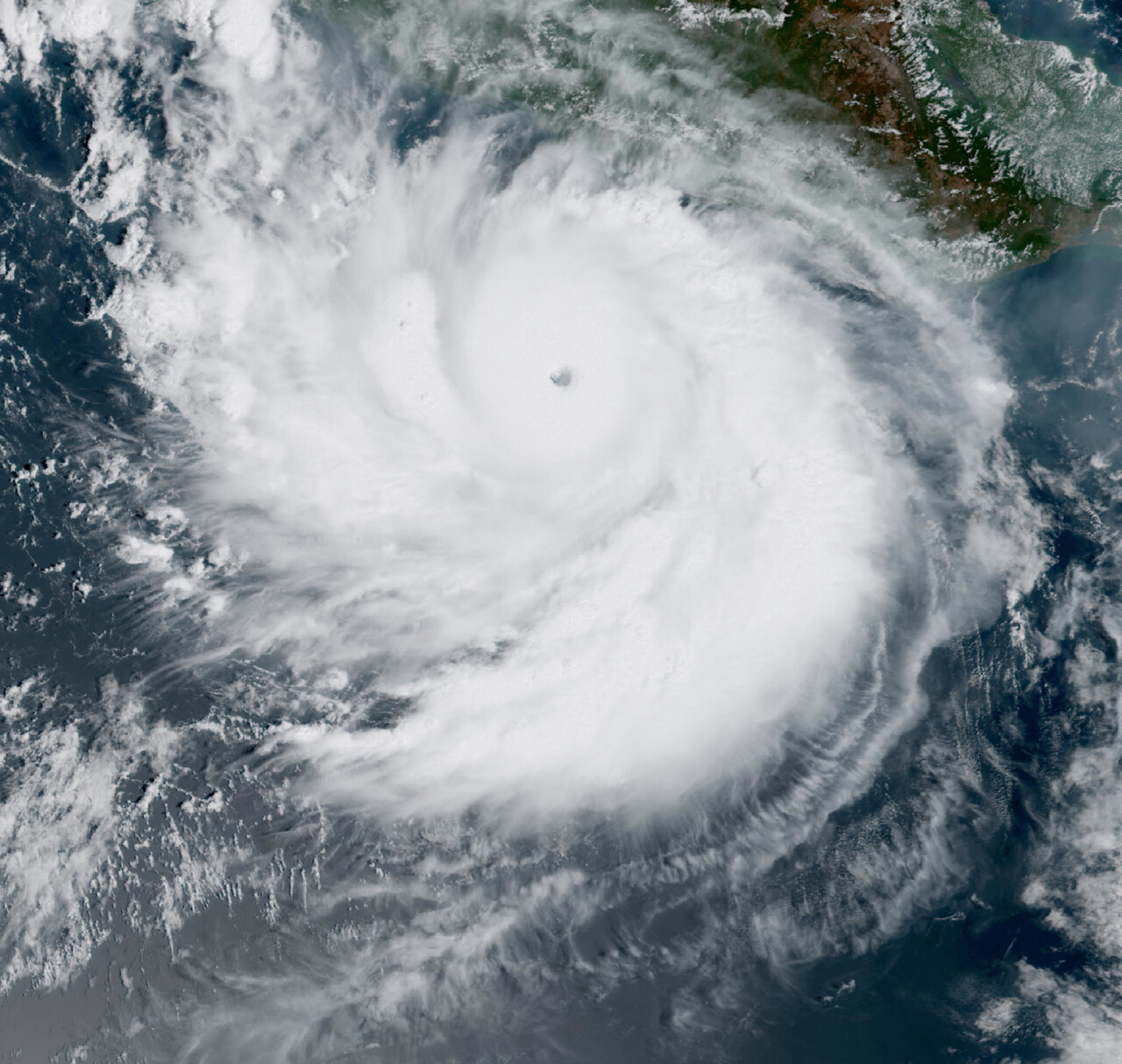
The Atlantic hurricane season crossed into October without producing a single hurricane, a first in the satellite era and one of the quietest starts on record. The National Hurricane Center’s 2026 season page shows no Atlantic systems have reached hurricane strength so far, and NOAA’s updated seasonal outlook still lists the season as running through Nov. 30.
That matters across the U.S. coastline, the Caribbean and Atlantic Canada because a slow season does not mean a safe finish. NOAA says the peak months are August, September and October, and forecasters have warned for weeks that the lack of early hurricanes should not be confused with a lack of risk later in the season.
A historic October milestone in the Atlantic
By Oct. 1, 2026, no Atlantic tropical cyclone had intensified to at least 64 knots, the threshold the National Hurricane Center uses to classify a hurricane. On NOAA’s updated outlook, the agency said the 2026 season was most likely to be below normal, with a 75% chance of a below-normal season and forecast ranges of 7 to 13 named storms, 2 to 6 hurricanes and 0 to 2 major hurricanes.
The season has still produced named storms. The Associated Press reported that Tropical Storm Hanna formed on Sept. 28 and was not threatening land, with maximum sustained winds of 45 mph and no coastal watches or warnings in effect at that time.
The absence of a hurricane this late is what sets 2026 apart. Coverage summarizing forecasters’ assessments said the Atlantic had never before reached October without a hurricane since satellite surveillance began in 1966. Earlier in September, The New York Times reported that the basin had not gone that far into a season without a hurricane since 1941, showing how unusual this year looks even in the longer historical record.
For residents along the Gulf Coast, East Coast and in the Caribbean, the confirmed local impact so far is what has not happened: no hurricane landfalls because no Atlantic hurricane has formed. But NOAA also says extended seasonal outlooks cannot predict the number or intensity of landfalling hurricanes, or whether any given locality will be hit by a tropical storm or hurricane.
That uncertainty is important because the calendar still favors activity. NOAA says most Atlantic activity usually occurs between mid-August and mid-October, and the National Hurricane Center’s climatology page identifies Sept. 10 as the seasonal peak. The agency also notes that an average Atlantic season from 1991 to 2020 produces 14 named storms, 7 hurricanes and 3 major hurricanes, far above what the basin has generated so far this year.
Even one storm can change the story quickly. The National Hurricane Center and other forecasters have stressed that damaging impacts depend on where a storm goes, not just how many systems form in a season.
NOAA tied the suppressed Atlantic season largely to El Niño and the conditions that come with it. In its outlook update, the Climate Prediction Center said El Niño was expected to continue and increase in strength through the season, including during August, September and October. NOAA said strong El Niño years since 1950 have featured below-normal Atlantic hurricane activity.
The agency also pointed to stronger-than-normal trade winds across parts of the Atlantic Main Development Region and environmental conditions less favorable for storm formation and intensification. Those factors can increase vertical wind shear, a pattern that tends to disrupt developing tropical cyclones.
Still, NOAA’s outlook leaves room for more storms before Nov. 30, and forecasters have not said the season will finish without a hurricane. Earlier reporting citing Colorado State University hurricane researcher Philip Klotzbach said only four Atlantic seasons on record have ended with one or zero hurricanes, and two of those, 1907 and 1914, ended with none. For now, the verified fact is narrower: October began on Oct. 1, 2026, with the Atlantic still waiting for its first hurricane.