

Large public events have remained a top security concern for intelligence and law enforcement agencies, especially after past attacks targeting concerts and other crowded venues. That concern sharpened again when U.S. officials disclosed new details about a disrupted plot tied to Taylor Swift’s Eras Tour stop in Vienna, Austria. The case drew international attention because the concerts were canceled after authorities said the threat was credible and advanced.
CIA details the scale of the planned attack
CIA Deputy Director David Cohen said on August 28, 2024, that the people behind the foiled plot targeting Taylor Swift’s Vienna concerts intended to kill “a huge number” of people, including Americans, according to reporting from the Associated Press, CBS News and ABC News. Cohen said the plan was aimed at “tens of thousands” of attendees and described the operation as advanced before it was disrupted. His remarks came at an intelligence and national security summit in the Washington area.
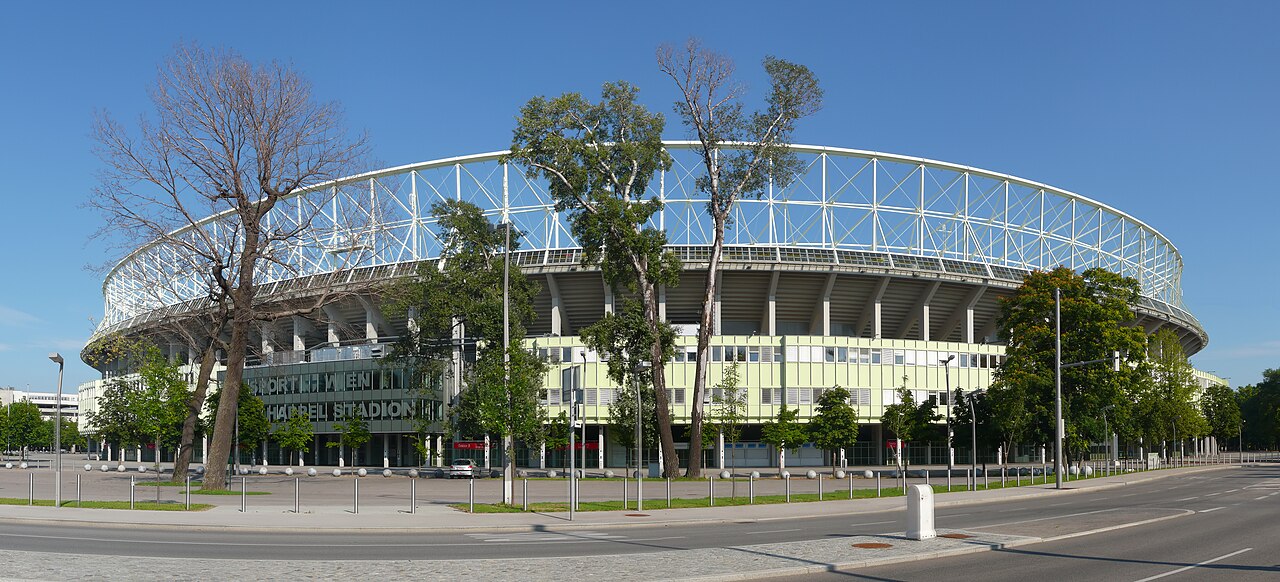
The planned target was Swift’s Eras Tour run at Ernst Happel Stadium in Vienna, where three sold-out concerts had been scheduled for August 8, 9 and 10, 2024, before they were canceled, according to widespread reporting following the case. Cohen said CIA intelligence was shared with Austrian authorities and helped interrupt the plot before the shows took place. Officials did not publicly release a more precise casualty estimate beyond the broad scale Cohen described.
Austrian authorities moved quickly in the days before the concerts, arresting multiple suspects after receiving intelligence about the threat, according to news reports at the time and later follow-up coverage. Public reporting has described the suspects as young men allegedly influenced by the Islamic State group. Authorities said the investigation found the threat was serious enough to justify canceling the concerts.
The local impact was immediate in Vienna, where the cancellation of three Eras Tour shows affected fans who had traveled from Austria, across Europe and from the United States. Authorities confirmed the concerts would not go forward because of the security threat, and reporting from Reuters, AP and other outlets said the decision followed arrests tied to the disrupted attack plan. The stadium itself did not become the site of an attack because the operation was stopped before the concerts began.
What is confirmed is that Austrian authorities made arrests and that U.S. intelligence contributed to the warning that preceded them. What has not been fully detailed in public is the complete operational plan, including every method the suspects intended to use and the full extent of how close they were to carrying it out. Officials also have not publicly released a comprehensive accounting of all intelligence shared between the United States and Austria.
The Vienna case also carried a distinct U.S. dimension because Cohen specifically noted that many Americans could have been among the victims. That comment underscored why the CIA was discussing an overseas concert threat in a U.S. security forum. The cancellations disrupted one of the biggest touring events in the world, but officials have framed that outcome as the consequence of a successful intervention rather than an overreaction.
The broader context, according to intelligence and terrorism analysts cited in subsequent reporting, is that mass-attendance entertainment venues remain attractive targets because they combine symbolic value with dense crowds. Cohen’s description suggested officials believed the Vienna suspects were not discussing a vague aspiration but working on a concrete plan. That assessment is one reason the intelligence warning triggered such a significant response.
Coverage after Cohen’s remarks frequently compared the risk to other attacks on music audiences, including the 2017 Manchester Arena bombing in England, which killed 22 people after an Ariana Grande concert. That history has shaped how Western security agencies evaluate threats around global tours and stadium events. The Vienna plot fit into that larger pattern of concern over attacks designed to maximize casualties and international attention.
For concertgoers and residents, the main practical takeaway is that authorities treated the Vienna threat as credible enough to stop the shows before crowds gathered. Public reporting since then has shown the case continued in Austrian courts, including terrorism-related proceedings against a defendant accused in the plot. The official record so far shows a combination of U.S. intelligence and Austrian police action prevented what CIA leadership said could have been a mass-casualty attack.