

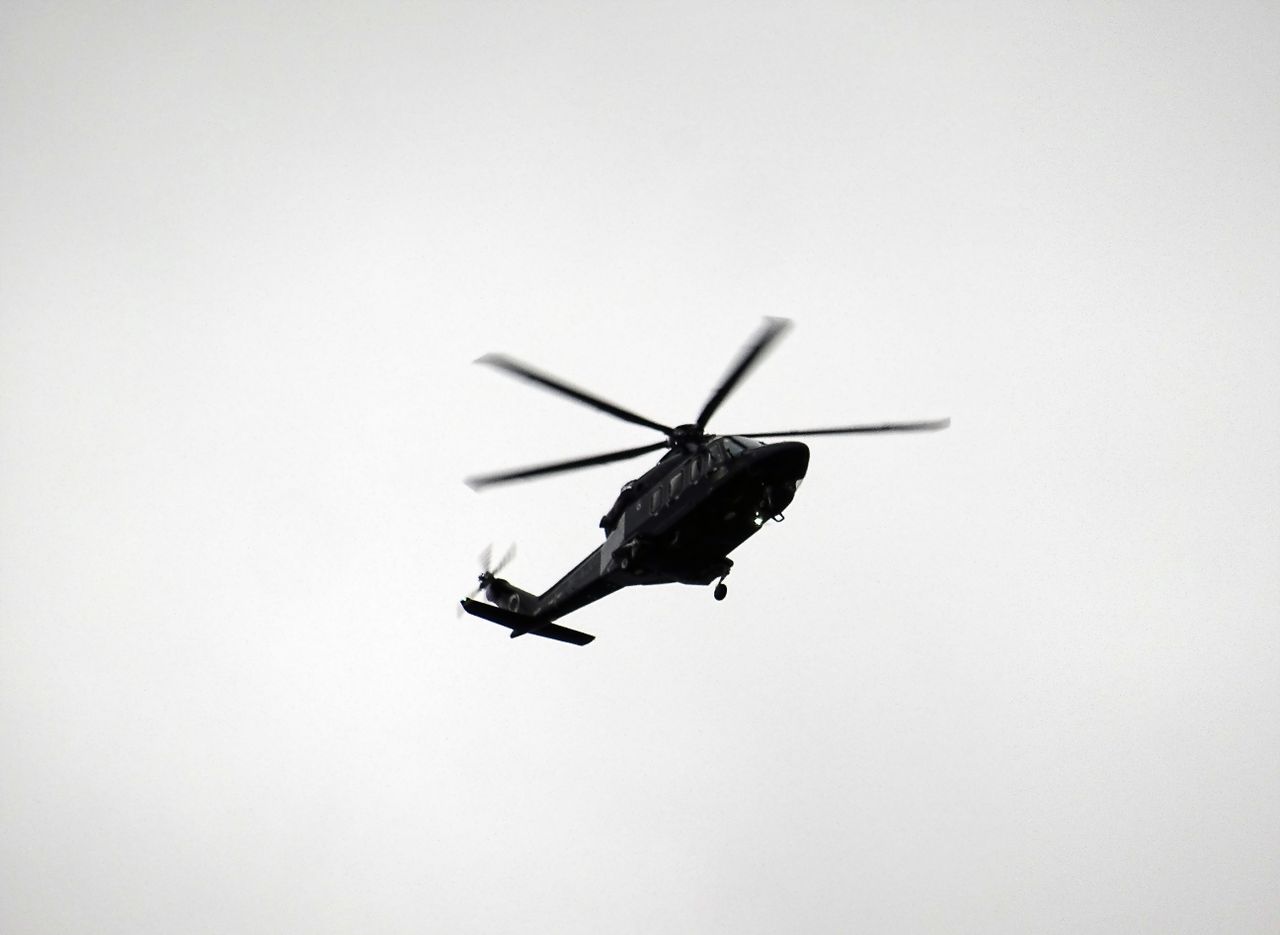
Military aviation safety remains under close scrutiny as investigators continue to examine fatal helicopter crashes involving routine operations and training flights across the United States. That focus shifted to Central Texas on Wednesday, August 12, 2026, when an Army AH-64 Apache helicopter crashed in a field near Fort Hood, killing both people on board. Officials have confirmed the deaths and the evacuation of nearby homes, but they have not yet announced what caused the aircraft to go down.
Two people were killed in the Fort Hood-area crash
An Army AH-64 Apache attack helicopter crashed Wednesday in a field near Fort Hood in Central Texas, killing the two people on board, according to the Associated Press, which cited Bell County Sheriff’s Lt. Donnie Adams. Officials said the crash also sparked a wildfire in the area. Emergency responders were sent to the scene as flames spread into nearby grassland.
The helicopter went down on August 12, 2026, and authorities said several homes were evacuated because of the fire risk. The Associated Press reported that no immediate cause of the crash was announced Wednesday. Officials have not publicly identified the two people who died.
The Apache has long been one of the Army’s primary attack helicopters. The aircraft type has been in military service since the 1980s, according to the Associated Press. That history gives investigators a well-documented airframe and operating profile to examine, but early crash investigations typically begin with basic evidence collection, witness interviews, and a review of maintenance and flight records before any cause is released.
The confirmed Texas impact so far centers on the fatal crash site near Fort Hood and the wildfire that followed. Local officials said the fire forced evacuations from several homes near the crash area, underscoring that the emergency extended beyond the aircraft itself. Authorities have not said how large the burn area was, and a full damage assessment has not been publicly released.
Military officials have also not released a complete public account of the flight’s mission, the crew’s unit assignment, or whether the helicopter was on a training or operational flight. The Associated Press reported that Fort Hood’s Criminal Investigation Division was leading the crash investigation, based on information provided by sheriff’s officials. As of Wednesday, no broader advisory affecting Apache operations in Texas had been publicly announced.
For Texas residents, the immediate local impact is limited to the crash zone and the ongoing investigation. There is no public indication that civilians on the ground were killed in the incident. Officials also have not said whether weather, mechanical issues, or operational factors played a role, and those unanswered questions are likely to remain open until investigators release more findings.
What caused the crash is not yet known, and that is the central question now facing military investigators. In the earliest stage of an aviation investigation, officials typically document wreckage, fire patterns, flight activity, and any available technical evidence before discussing fault or probable cause. In this case, authorities have only confirmed that the investigation is underway and that no cause was immediately announced.
The broader context is that helicopter crash investigations often examine multiple possible factors at once, including aircraft systems, maintenance history, pilot actions, weather, and mission conditions. Federal aviation investigators have repeatedly found in past rotorcraft cases that causes can involve a combination of technical and human factors, though there is no public evidence yet tying any of those issues to the Fort Hood-area crash. Until investigators release preliminary findings, any explanation would be premature.
For residents near Fort Hood, the practical takeaway is that the active emergency response has shifted into an investigative phase. Officials may release more information about the victims, the mission, and the status of the aircraft once next of kin notifications and evidence review are complete. For now, the factual record remains narrow: two people were killed, homes were evacuated because of a wildfire, and officials are still working to determine what went wrong.